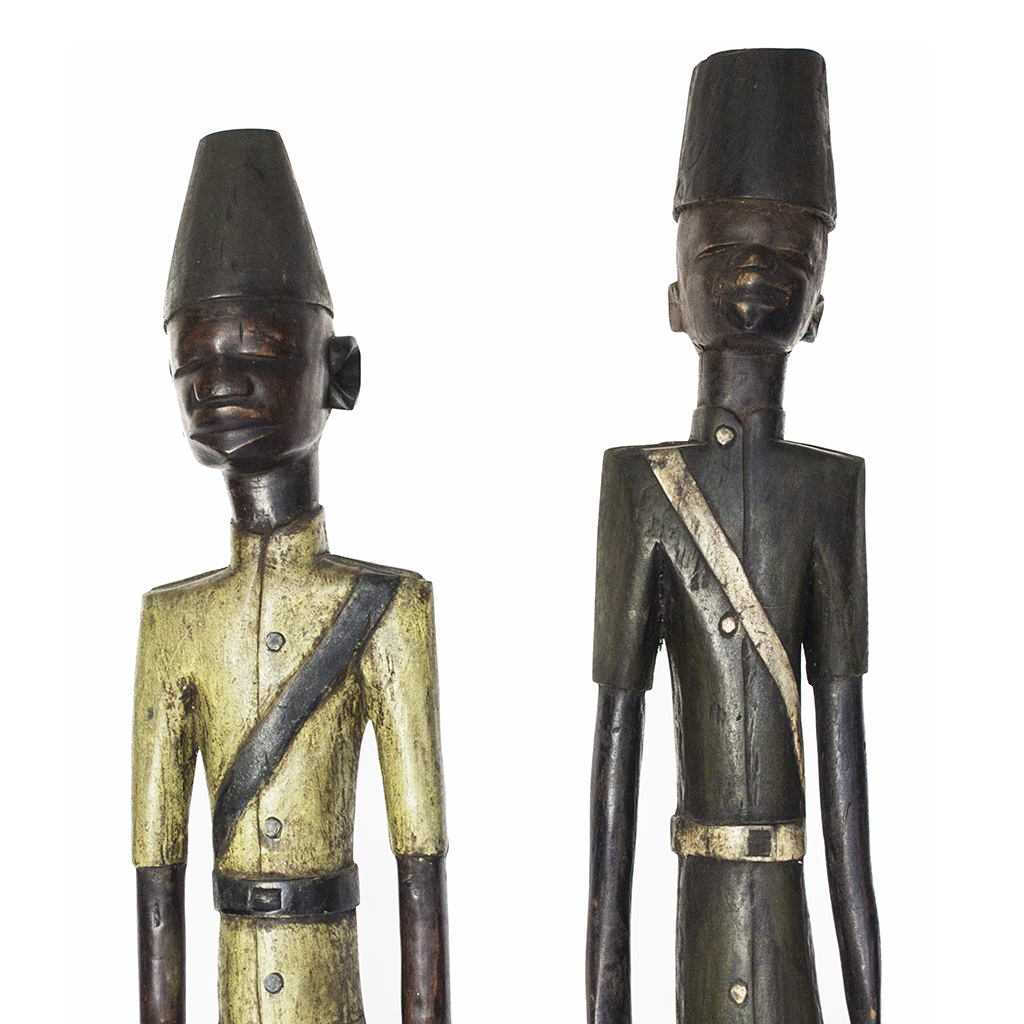
Ivory Coast, West Africa · Baule Tribe
Colonial People
Piece #S012 · Year Made: 1957
$3,699
Each figure sold individually
Shipping individually quoted
Origin
Ivory Coast, West Africa
Period
Mid-20th Century
Medium
Hand Carved Wood
Length
12"
Width
12"
Height
60"
Details & Materials
"Colonial People" comes from the Baule tribe of the Ivory Coast, where the colon genre was born during the colonial period. The figures depict European officials and Westernized Africans in European dress, carved not for market but for indigenous use, a tradition some describe as Transitional Art.
After World War II and decolonization, colon figures achieved worldwide acclaim. Anthropologists still debate whether they began as satirical portraits of colonial officials, as ritual objects, or simply as new subjects in local styles. Each figure carries that full, unsettled history. Available in small and large.
- Condition: Excellent, not previously owned, undamaged
- Sourcing: Fair Trade
- Certificate of Authenticity: Available Upon Request
- Provenance Report: Available Upon Request
Shipping
Buy now and leave the shipping to us. At checkout you pay for the piece plus a shipping deposit. We then plan the packing for your piece and email you the remaining shipping balance. This applies to both domestic and international orders. Every shipment is tracked, and most deliveries need a signature.
- Domestic: 5-8 business days
- International: 10-14 business days
- White-glove delivery available on request
Care & Placement
Dust with a soft, dry cloth. Keep it out of direct sunlight, away from radiators, dampness, and any sudden change of temperature. Do not place in extremely cold areas.
Place the piece on a level surface
Origin
Ivory Coast
West Africa
"When I was first exposed to African art, I felt a deep connection to it. It is hard to explain. It resonates with me spiritually."
Michael, Founder
York's Shona Gallery was the first in New York City to bring African sculpture to American collectors. Every piece in our collection is acquired directly, ensuring authenticity and fair exchange with the artists and communities who create them.
About the Tribe
Baule Tribe
Wood Sculpture
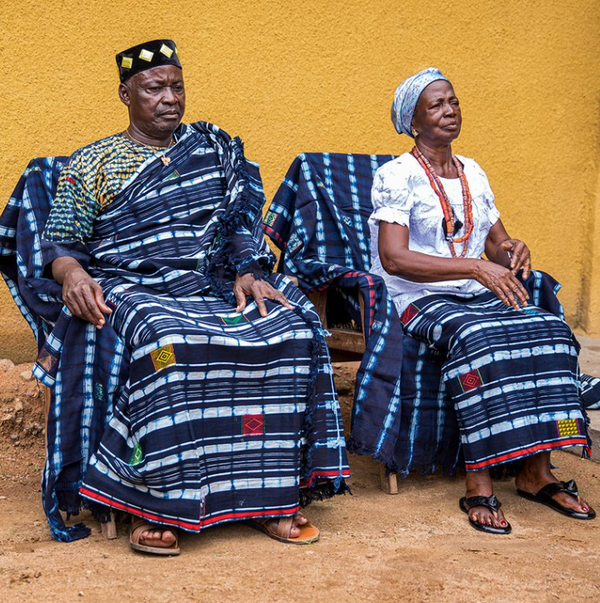
The Baule people, known as one of the largest ethnic group in the Ivory Coast, have played a central role in 20th century Ivorian history. They waged the longest war of resistance to French colonization of any West African people, and maintained their traditional objects and beliefs longer than many groups in such constant contact with European administrators, traders, and missionaries. According to a legend, during the 18th century, the queen, Abla Poku, had to lead her people west to the shores of the Comoe, the land of Senufo. In order to cross the river, she sacrificed her own son. The sacrifice was origin of the name Baule, for baouli means “the child had died.” Now about one million Baule occupy a part of the eastern Ivory Coast between the Komoe and Bandama rivers that is both forest and savanna land.
Baule society was characterized by extreme individualism, great tolerance, a deep aversion toward rigid political structures, and a lack of age classes, initiation, circumcision, priests, secret societies, or associations with hierarchical levels. Each village was independent from the others and made it owns decisions under the presiding presence of a council of elders. Everyone participated in discussions, including slaves. It was an egalitarian society.
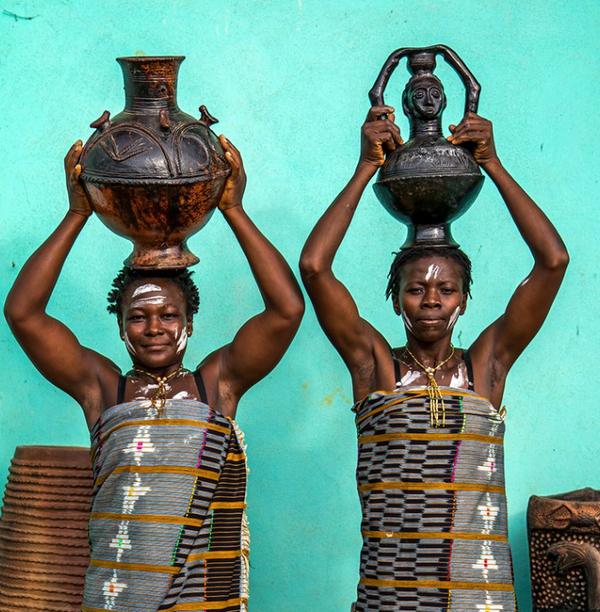
Baule art is sophisticated and stylistically diverse. Non-inherited, the sculptor’s profession is the result of a personal choice. The Baule have types of sculpture that none of the other Akan people possess. Wooden sculptures and masks allow closer contact with the supernatural world. Baule statues are usually standing on a base with legs slightly bent, with their hands resting on their abdomen in a gesture of peace, and elongated necks supporting a face with typically raised scarification and bulging eyes. The coiffure is always very detailed and is usually divided into plaits. Baule figures answer to two types of devotion: one depicts the “spiritual” spouse who, in order to be appeased, requires the creation of a shrine in the personal hut of the individual.
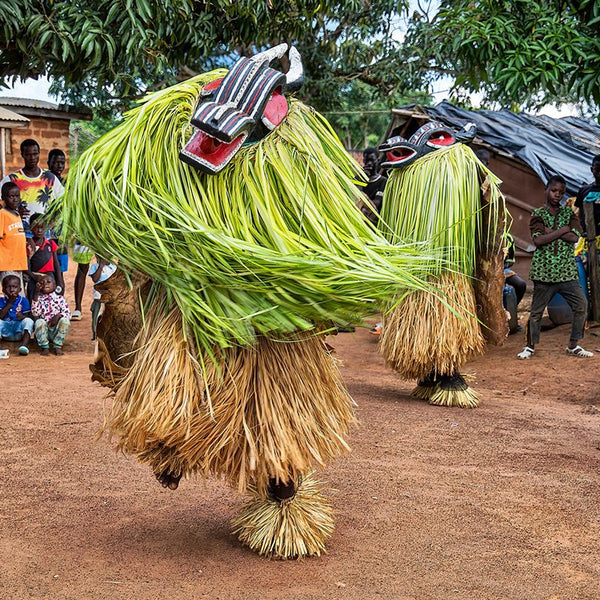
Masks correspond to three types of dances: the gba gba, the bonu amuen, and goli. They never represent the ancestors and are always worn by men.
The gba gba is used at the funerals of women during the harvest season. It celebrates beauty and age, hence its refined features. The double mask represents the marriage of the sun and the moon or twins, whose birth is always a good sign.
The bonu amuen protects the village from external threats; it obliges the woman to a certain discipline; and it appears at the commemorations of death of notables. When they intervene in the life of the community, they take the shape of a wooden helmet that represents a buffalo or antelope and which is worn with a raffia costume and metal ankle bracelets; the muzzle has teeth which incarnate the fierce animal that is to defend the group.
The very characteristic, round-shaped “lunar” goli is surmounted by two horns. It was borrowed from the Wan for a celebration adopted by the Baule after 1900. Celebrating peace and joy, they would sing, dance, and drink palm wine.
Baule artists produced numerous works of art and Baule carvers are still very active today. With their great sense of stylization and attention to detail, they have produced some of the most elegant objects of all African art.
In your home
Loading the room...
Surfaces
Pedestal
Styled with and outdoors
Rooms
The Tradition
African Wood Carving
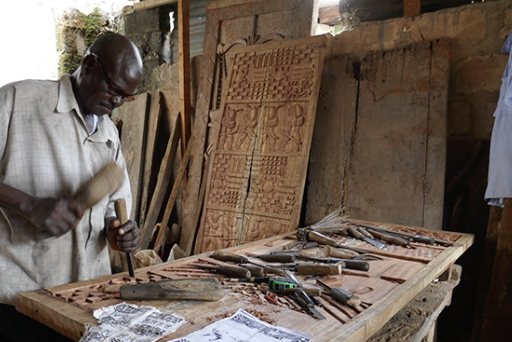
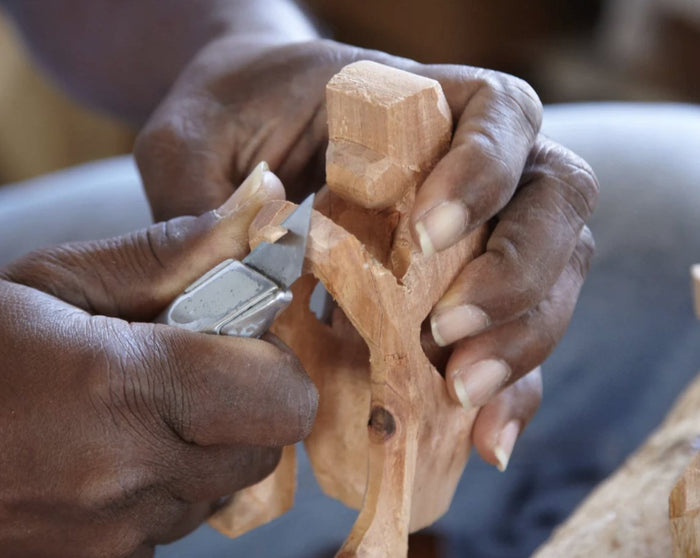
Wood has long been the great sculptural material of Africa. Carved from a single trunk, each piece carries the grain of the living tree and the marks of the hands and tools that shaped it.
- Wood
- Ebony, teak, jarrah, cherry and local hardwoods
- Made
- By hand, from a single block
- Tools
- Adze, knife and chisel
- Made for
- Ceremony, decoration and storytelling
The woods we carry
Ebony wood
A dense, heavy wood that grows slowly, with an almost black heart and pale outer wood from the same log that carvers often use together in one piece
Teak wood
A strong hardwood of warm golden brown, resistant to weather, that deepens in tone with age
Jarrah wood
A very dense, deep red hardwood that darkens to a rich reddish brown as it ages
Cherry wood
A wood with a fine, even grain and a warm reddish tone that grows richer the longer it is exposed to light
Related Pieces
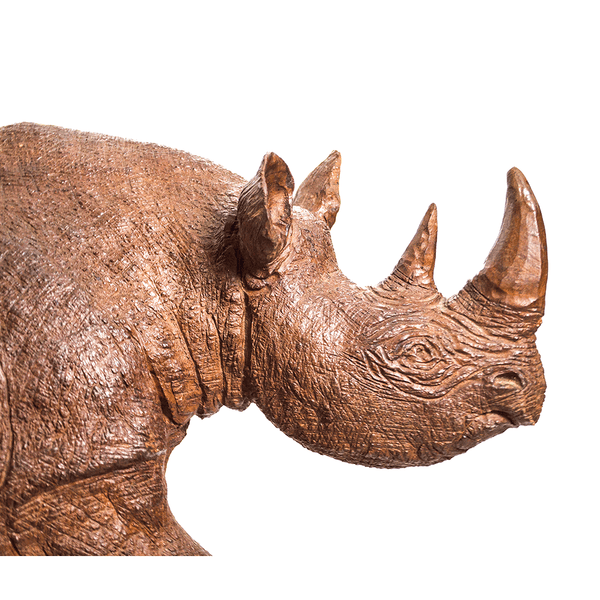
Kenya, East Africa · Wood Sculpture
Rhino
$3,999
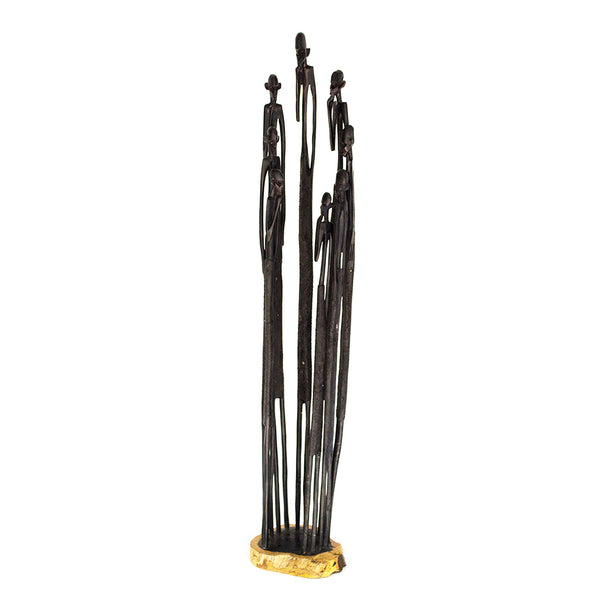
Kenya, East Africa · Wood Sculpture
Masaai Tribe
$3,200
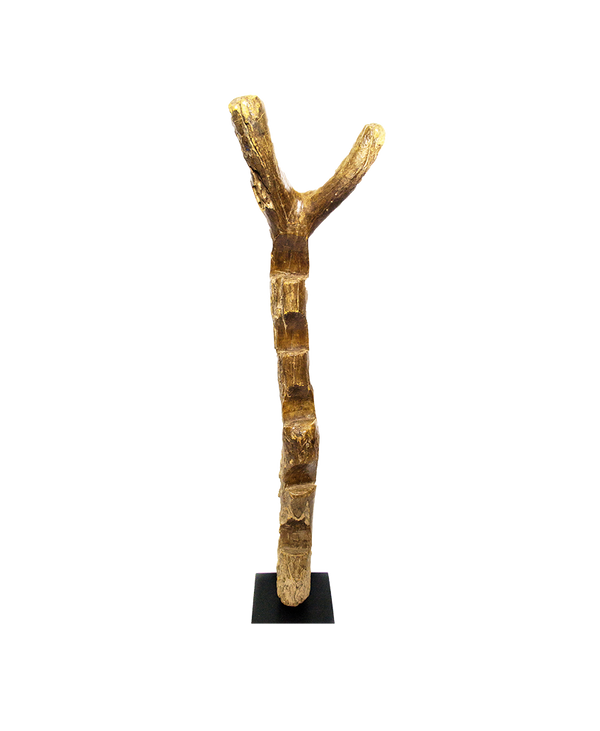
Mali, West Africa · Wood Sculpture
Ladder
$3,199
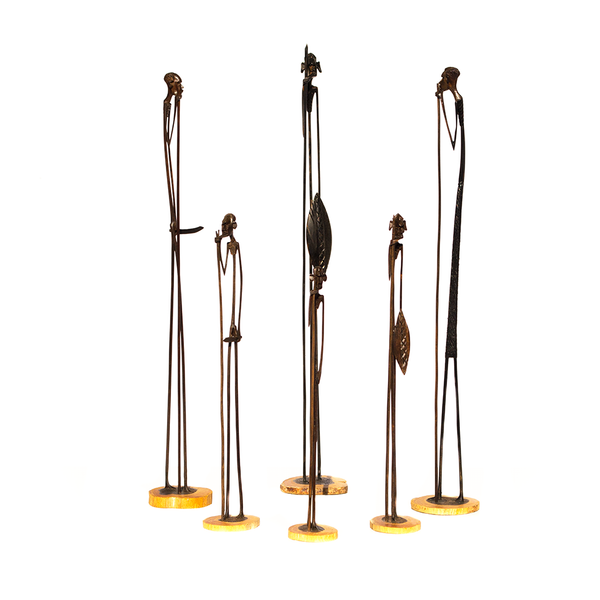
Kenya, East Africa · Wood Sculpture
Masaai People
$159
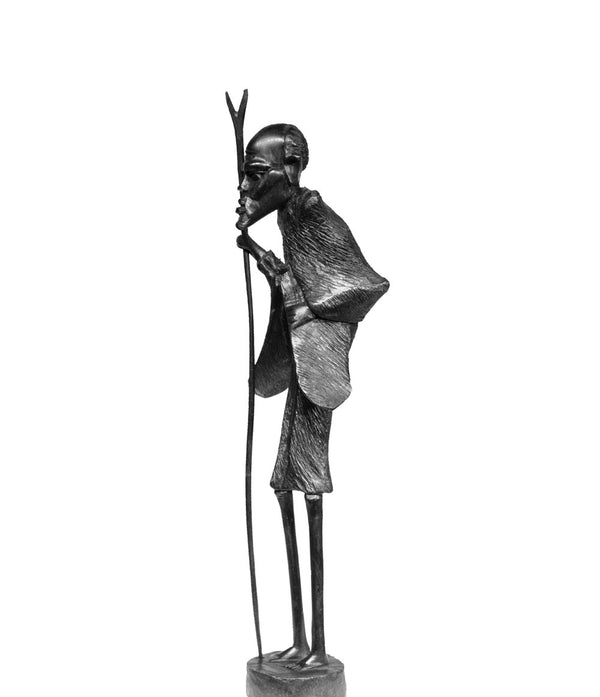
Kenya, East Africa · Wood Sculpture
Masaai Old Man
$275
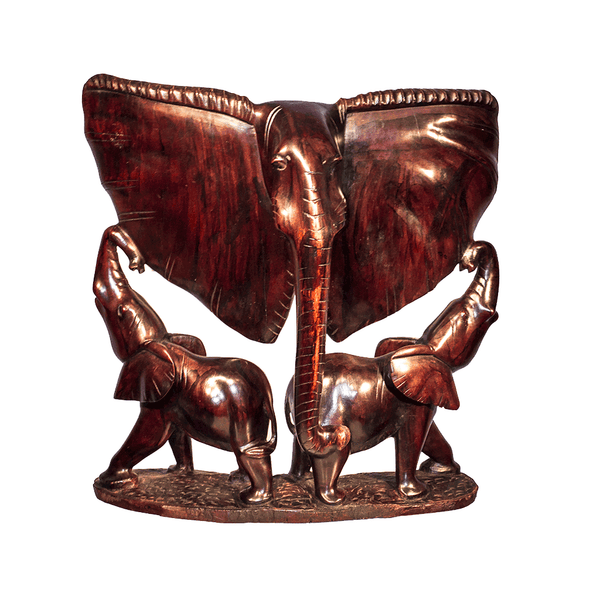
Kenya, East Africa · Wood Sculpture
Mother and Children
$1,999
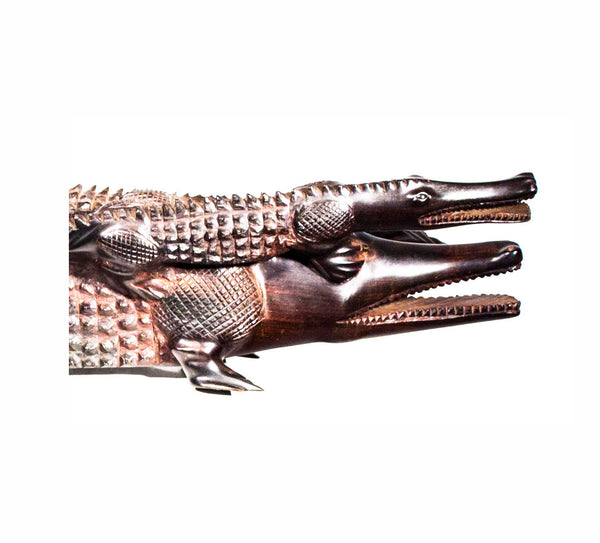
Kenya, East Africa · Wood Sculpture
Crocodile
$2,999
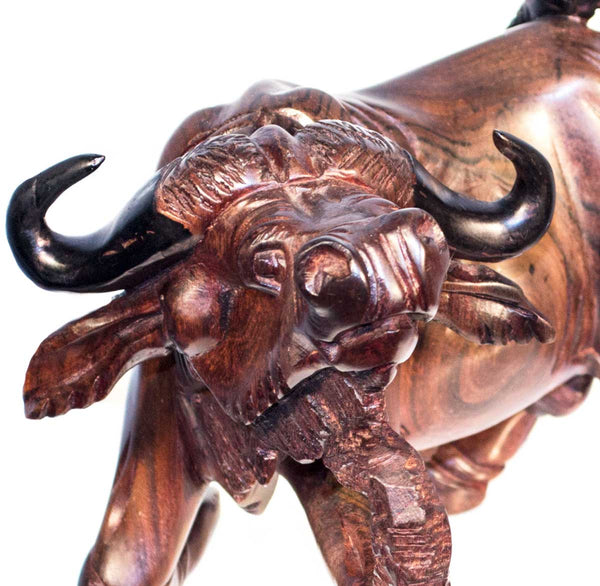
Kenya, East Africa · Wood Sculpture
Buffalo
$1,499