Zimbabwe, Southern Africa · Rose Chakanyuka
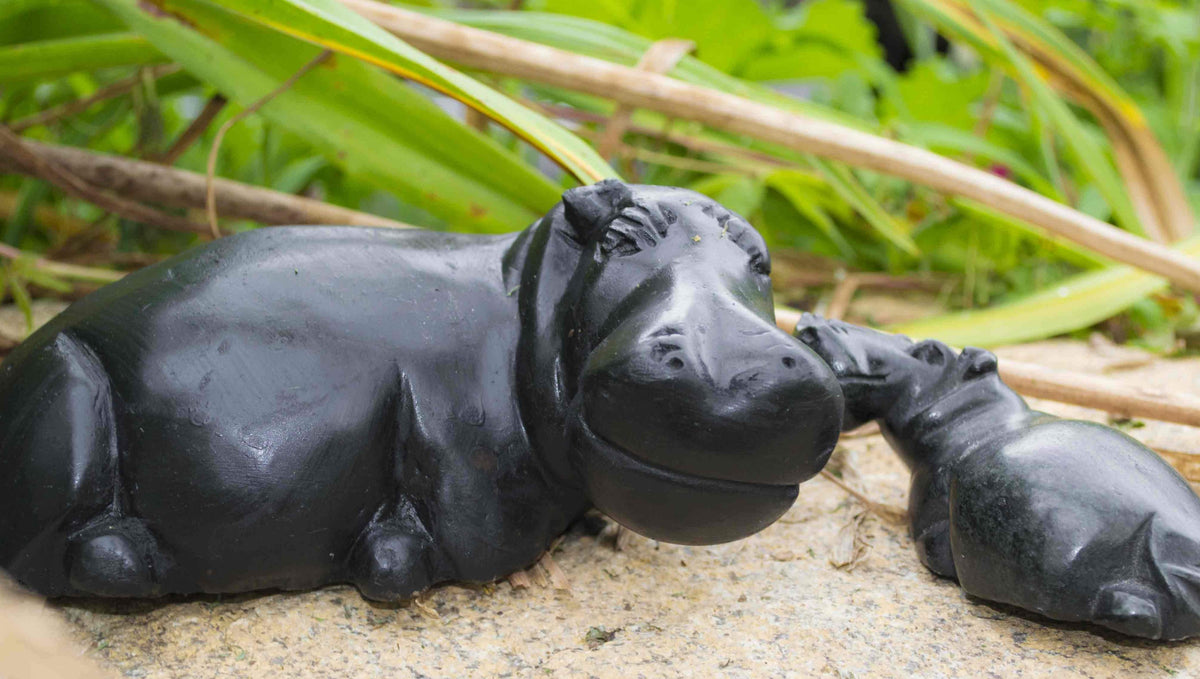
Hippos
Piece #H001 · Year Made: 2002
$85
Each hippo sold individually
Shipping individually quoted
Origin
Zimbabwe, Southern Africa
Period
21st Century
Medium
Hand Carved Serpentine Stone
Length
4"
Width
2"
Height
2"
Details & Materials
"Hippos" is one of our best sellers and a favorite for gifting. Each hippo smiles whimsically, an ironic play on the animal's actual temperament, and they look their best in a group, nesting into one another.
Rose Chakanyuka remains one of the few women sculpting in Zimbabwe today, and these are her work from start to finish: natural serpentine stone shaped entirely with hand tools, free of any dyes, stains or varnishes. Every hippo comes from a different cut of the stone, so no two carry the same color.
The large measures 8 inches long and 3 inches tall; the small, 4 inches long and 2 inches tall.
- Condition: Excellent, not previously owned, undamaged
- Sourcing: Fair Trade
- Certificate of Authenticity: Available Upon Request
- Provenance Report: Available Upon Request
Shipping
Buy now and leave the shipping to us. At checkout you pay for the piece plus a shipping deposit. We then plan the packing for your piece and email you the remaining shipping balance. This applies to both domestic and international orders. Every shipment is tracked, and most deliveries need a signature.
- Domestic: 5-8 business days
- International: 10-14 business days
- White-glove delivery available on request
Care & Placement
Dust with a soft, dry cloth.
Can be placed indoors or outdoors; weather will not damage it. Place on a solid, level surface or pedestal
Origin
Zimbabwe
Southern Africa
"When I was first exposed to African art, I felt a deep connection to it. It is hard to explain. It resonates with me spiritually."
Michael, Founder
York's Shona Gallery was the first in New York City to bring African sculpture to American collectors. Every piece in our collection is acquired directly, ensuring authenticity and fair exchange with the artists and communities who create them.
About the Artist
Rose Chakanyuka
Stone Sculpture
Rose Chakanyuka was born in Zimbabwe and is a member of the current generation of Shona stone sculptors. Still, one of the few women artists currently sculpting in Zimbabwe, her natural artistic sensibilities, courage and tenacity have allowed her to add her female voice alongside that of the better known male sculptors.
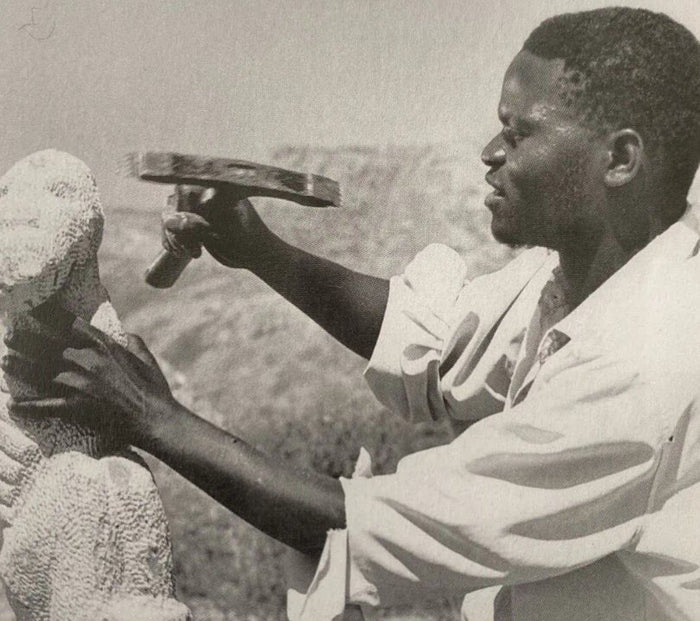
She exhibited a unique talent for art at an early age and with the encouragement of her teachers, she seemed to find her calling. Soon after leaving school, she embarked on her vocation which speaks profoundly about her passion and dedication to the art form. After learning the basic techniques of stone carving, Chakanyuka continues to explore different techniques and possibilities inherent in the medium. Today, she continues to work alongside many of the major artists of the movement in Harare, the capital of Zimbabwe, which is the major center of art in the country.
She is recognized for setting the highest standards in her work. She carves her forms mainly from pure inspiration and what she derives from her Shona heritage. She brings to each work a strict professionalism and refuses to give less than all her energy to a sculpture. Each new work is regarded by her as an exercise to increase her thought process and improve upon her technique.
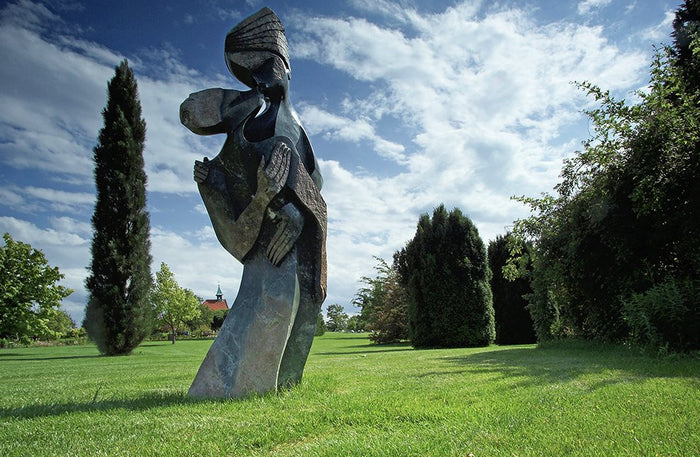
Drawing on her strong beliefs in family and tradition, her works clearly show the inspiration that she receives in every day life. Chakanyuka’s works are soft, sensitive, family forms; and she is among the best of those interpreting this genre. While this form of abstraction is shared by other Shona sculptures, the style and emotional component of Chakanyuka’s works make them distinctly her own. Choosing to work mainly with hard stone such as spring stone, her themes of family tenderness, love, and unity are portrayed with tenderness and understanding.
In your home
Loading the room...
Surfaces
Pedestal
Styled with and outdoors
Rooms
The Tradition
Shona Stone Sculpture
Shona sculpture is stone sculpture carved by hand in Zimbabwe, named after the Shona, the largest group of people in the country. The finest pieces keep the weight and stillness of the rock, while the figure within seems to rise out of it.
- Where
- Zimbabwe
- Roots
- An ancient stone city, 11th to 15th centuries
- Began
- Late 1950s in Harare, the capital of Zimbabwe
- Stone
- Spring stone, serpentine, lepidolite
- Subjects
- Family, spirits, animals, transformation
- In collections
- British Museum, Museum of Modern Art
- Finish
- Polished by hand, often left partly raw
Why Shona?
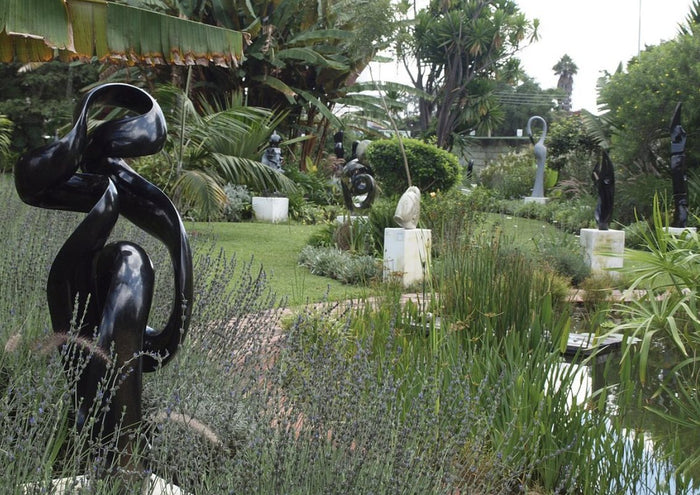
- Suitable for indoor and outdoor environments, such as a garden or terrace
- Durable and will not dull or erode
- One of a kind pieces
- Marked with artist’s signatures
- Hand carved in Zimbabwe
The stones we carry
Spring stone
Dense and very hard, it polishes to a deep, glassy black and weathers to pale grey where it is left raw
Serpentine
The most varied of Zimbabwe's stones, from olive green and brown to pink, rust and almost black, often within a single block
Lepidolite
A softer stone in shades of lilac and violet that glints in the light, prized for its rare color
Animals in African Art
The Significance of Animals
In African art an animal is rarely just an animal. It can stand for a king, a clan, an ancestor or a lesson, and its meaning changes from one people to the next.
- Stands for
- Power, family, and a good harvest
- Teaches
- Right from wrong
- Seen in
- Masks, brass figures, stone and wood sculpture
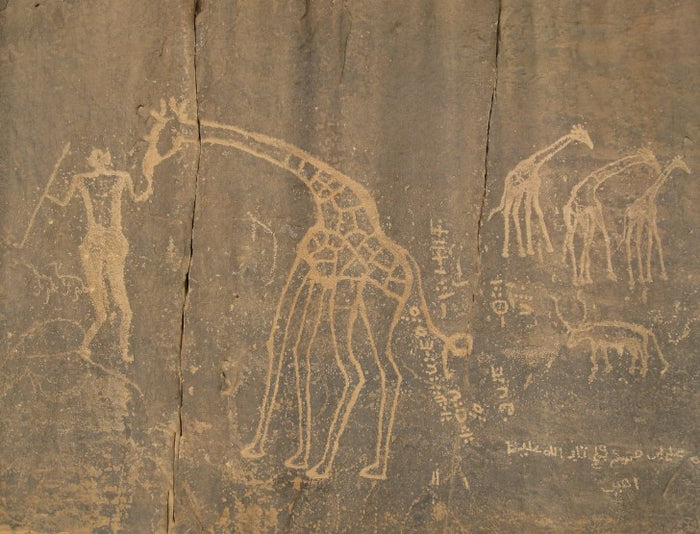
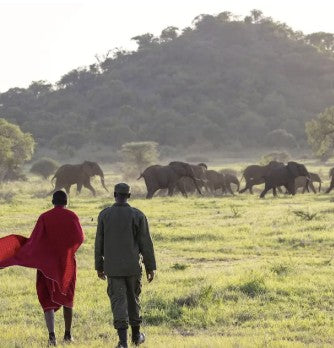
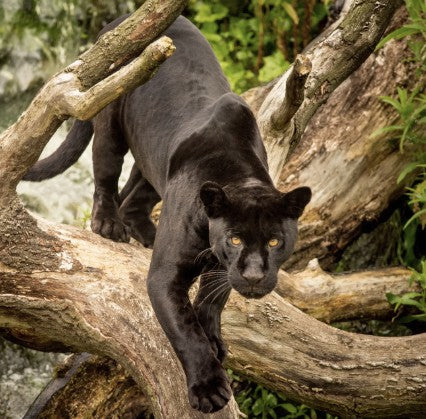
Animal symbols
Nigeria
Leopard
A symbol of the king
Cameroon
Elephant
A symbol of power
Mali
Antelope
A symbol of farming and a good harvest
Zimbabwe
Lion
A family symbol for many Shona clans
Related Pieces
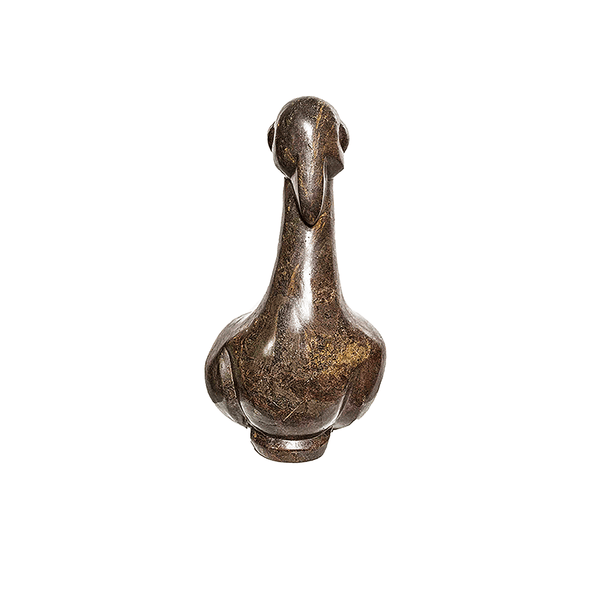
Zimbabwe, Southern Africa · Stone Sculpture
The Bird
$2,550
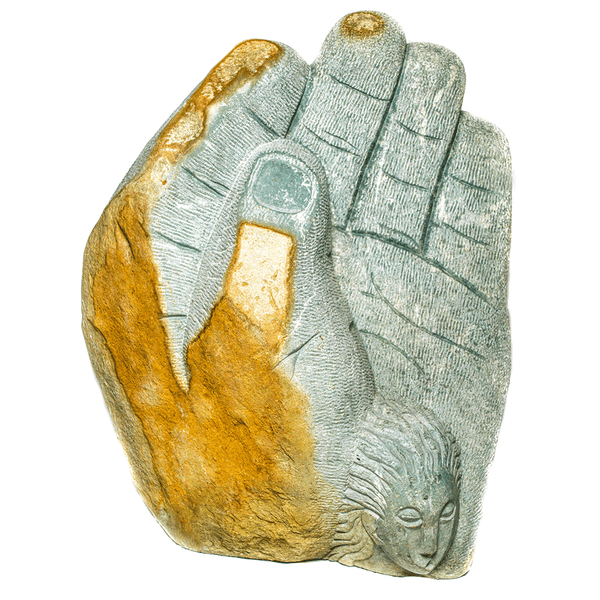
Zimbabwe, Southern Africa · Stone Sculpture
Lucky Hand
$19,995
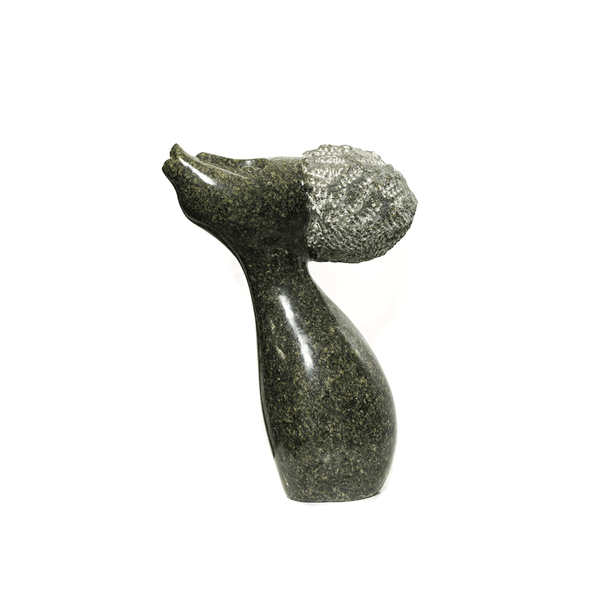
Zimbabwe, Southern Africa · Stone Sculpture
Proud Girl
$950
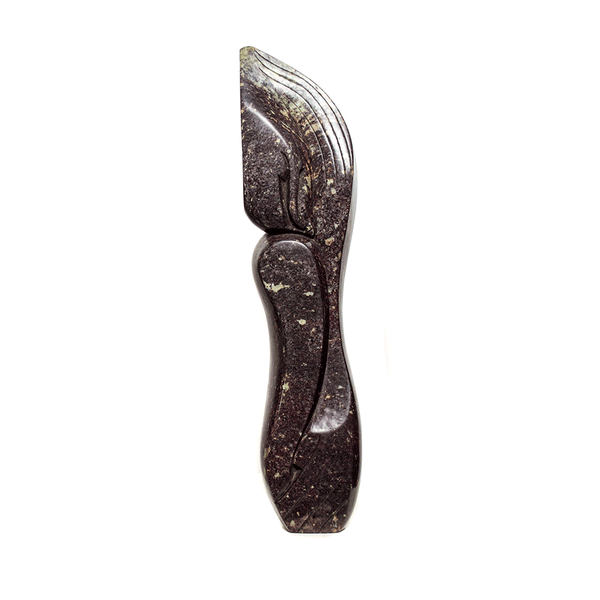
Zimbabwe, Southern Africa · Stone Sculpture
Shy Girl
$1,550
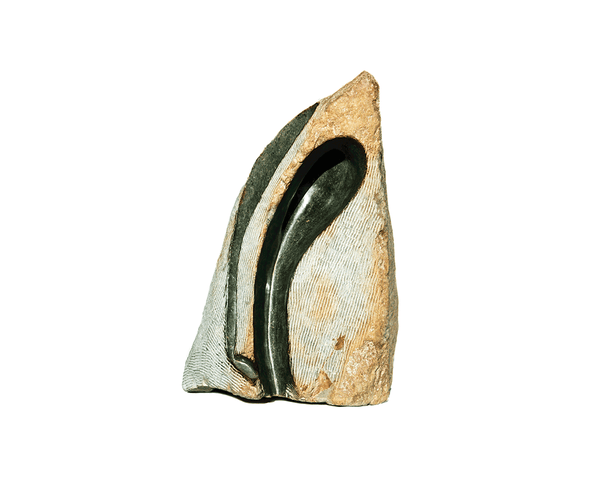
Zimbabwe, Southern Africa · Stone Sculpture
Swan
$4,995
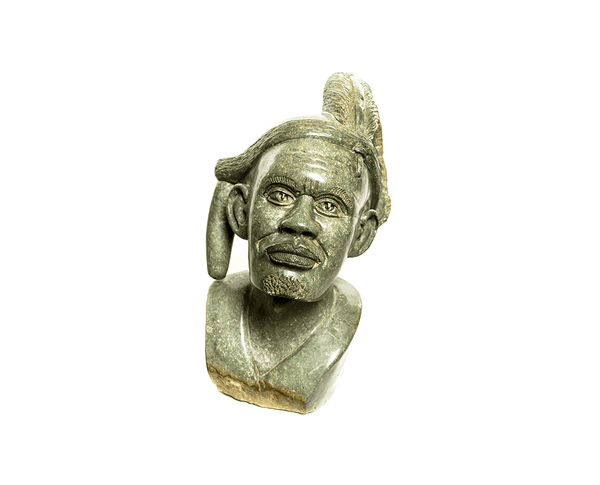
Zimbabwe, Southern Africa · Stone Sculpture
The Chief
$2,500
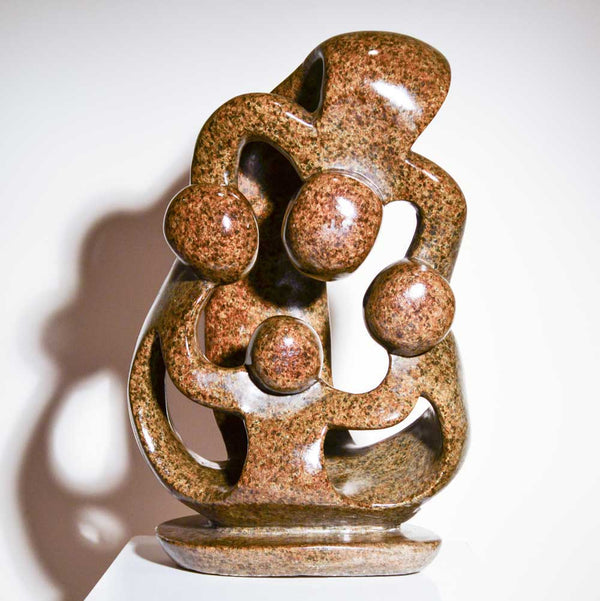
Zimbabwe, Southern Africa · Stone Sculpture
Family of Four
$3,540
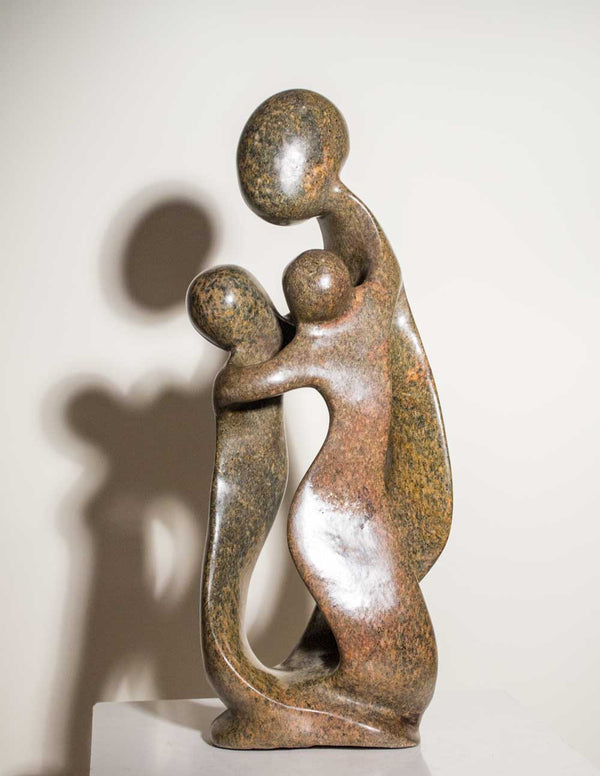
Zimbabwe, Southern Africa · Stone Sculpture
Family of Three
$1,850