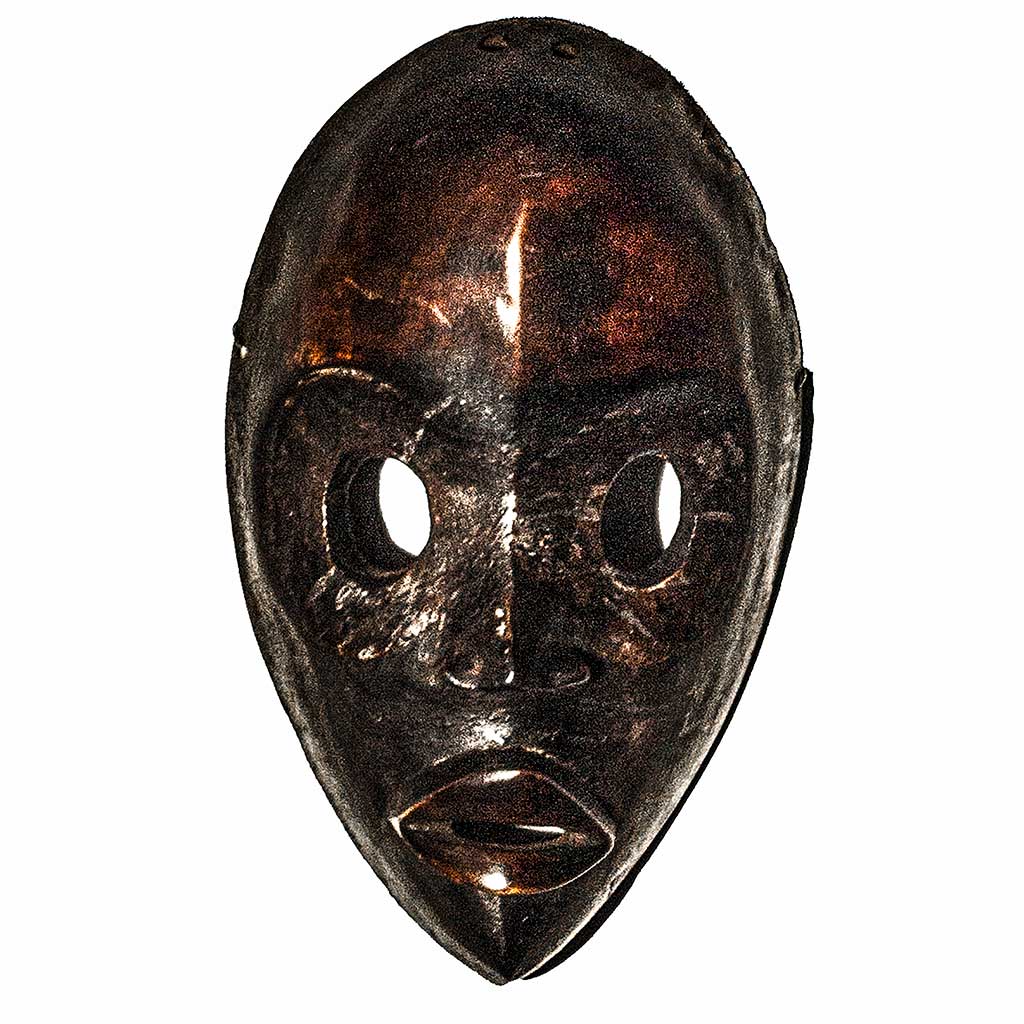
Ivory Coast, West Africa · Dan Tribe
Dan Mask
Piece #M020 · Year Made: 1977
$250
Shipping individually quoted
Origin
Ivory Coast, West Africa
Period
Late 20th Century
Medium
Hand Carved Wood
Length
9"
Width
5.5"
Details & Materials
York's Shona Gallery presents the "Dan Mask" by the Dan tribe of the Ivory Coast. A smooth oval face with round, open eyes and full lips is carved with a fine ridge down the forehead. The surface is polished to a deep, dark sheen.
At 9" long, the mask is hand carved from wood and was made in 1977.
This mask is called a Gunye Ge and was used in racing competitions. Its wearer was chased by an unmasked runner, and if caught, the runner took the mask and was chased in turn. These races trained men to compete, and the winner gained social recognition within the tribe.
Shipping
Buy now and leave the shipping to us. At checkout you pay for the piece plus a shipping deposit. We then plan the packing for your piece and email you the remaining shipping balance. This applies to both domestic and international orders. Every shipment is tracked, and most deliveries need a signature.
- Domestic: 5-8 business days
- International: 10-14 business days
- White-glove delivery available on request
Care & Placement
Dust with a soft, dry cloth. Keep it out of direct sunlight, away from radiators, dampness, and any sudden change of temperature. Do not place in extremely cold areas. It is light enough to hang on a few nails
Origin
Ivory Coast
West Africa
"When I was first exposed to African art, I felt a deep connection to it. It is hard to explain. It resonates with me spiritually."
Michael, Founder
York's Shona Gallery was the first in New York City to bring African sculpture to American collectors. Every piece in our collection is acquired directly, ensuring authenticity and fair exchange with the artists and communities who create them.
About the Tribe
Dan Tribe
Mask
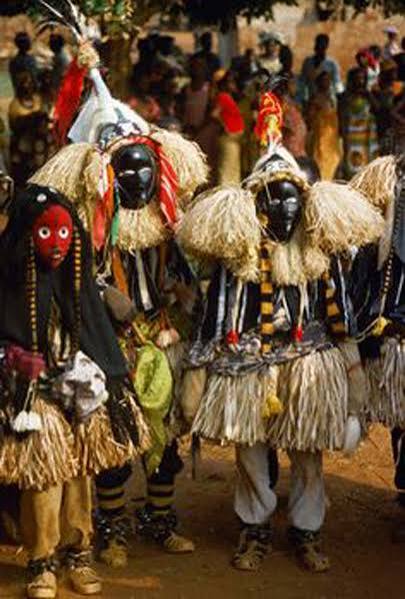
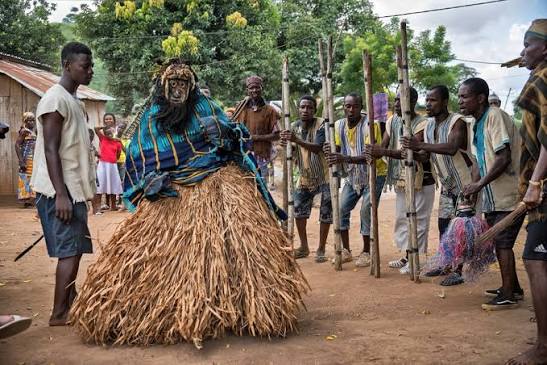
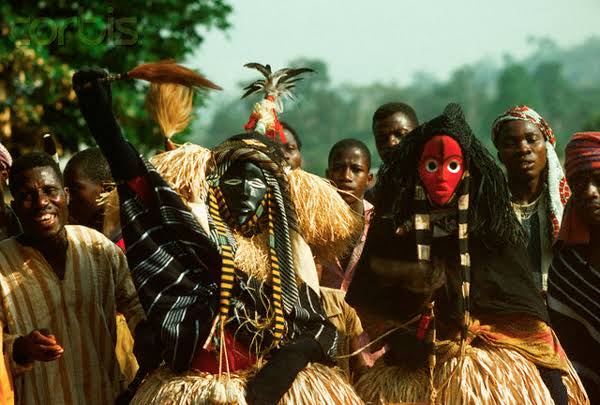
The Dan people are hunters and farmers whose territory stretches from the western side of the Ivory Coast into Liberia. The Dan believe that their world is split into two domains: the human domain which is represented by the village and its people, and the spiritual domain, which is represented by the forest and its spirits.
Dan masks are sacred objects which typically have a high forehead, pouting mouth, and pointed chin. They may also have scarification marks such as the line that splits the forehead and nose. They are carved in wood and usually stained with a brown dye.
Dan masks are used for protection and as a channel for communication with the spirt world. The Dan tribe even carries small ‘passport masks’ for personal protection when they are living away from home.
When a dancer wears a Dan mask, he becomes the spirit of that mask. A masked dancer will speak in the language of the spirits and his words are interpreted by a wise elder. Some dancers perform masked rituals on stilts.
There are many different Dan masks, each of which has a distinct use during rituals or festivals. Some masks play an important part in tribal rites, while others are simply for entertainment. Dan masks are also guarded by the go master, the head of the secret society of the leopard, who are responsible for the initiation rites of young men into adulthood.
In your home
Loading the room...
Surfaces
Pedestal
Styled with and outdoors
Rooms
The Tradition
Masks of Africa
An African mask is made to be worn and danced. With a costume, music and movement, the carved face becomes a spirit or an ancestor, present for a time among the living.
- Worn at
- Funerals, harvests and initiations
- Made from
- Wood, often with paint, clay, fiber, cloth, shells or metal
- Made for
- Ceremony, dance and storytelling
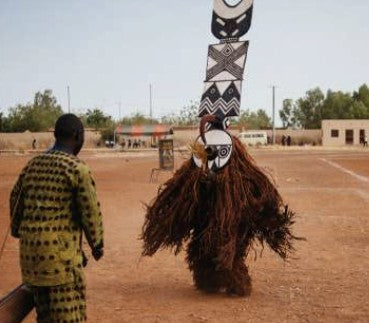
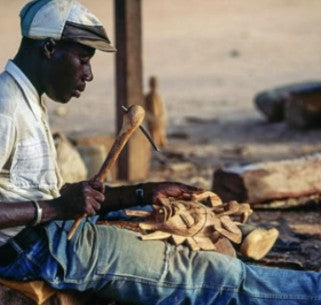
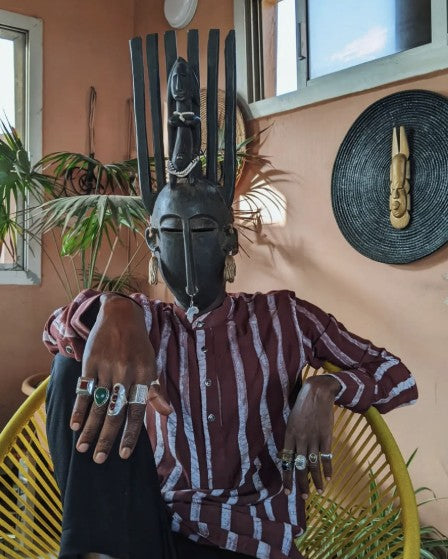
Some masks in our collection
Burkina Faso
Mossi
Tall masks with an antelope face and a plank above, tied to a clan and its founding animal
Burkina Faso
Bwa
Painted plank masks that show flying spirits, danced at funerals, harvests and initiations
Mali
Dogon
Danced at the dama, the ceremony that ends mourning and guides the dead to become ancestors
Gabon and Cameroon
Fang
Long pale faces made for the ngil society, which once acted as police and judges
Liberia and Ivory Coast
Dan
Masks that give form to forest spirits, with each performer called to his mask in a dream
Ivory Coast
Guro
Finely carved faces, often crowned with horns or a crest
Gabon and Congo
Kwele
Heart shaped faces with narrow eyes, carved to bring well being to the village
Ivory Coast and Ghana
Nafana
Large painted Bedu plank masks, danced during the Bedu festival
Related Pieces
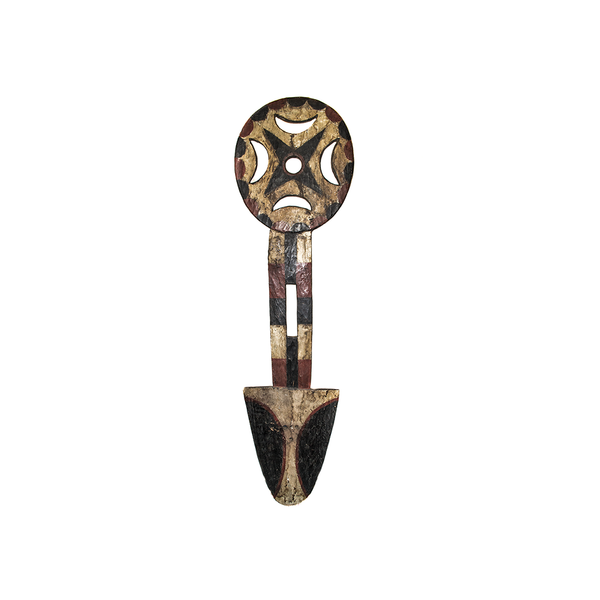
Ivory Coast, West Africa · Mask
Bedu Mask
$3,795
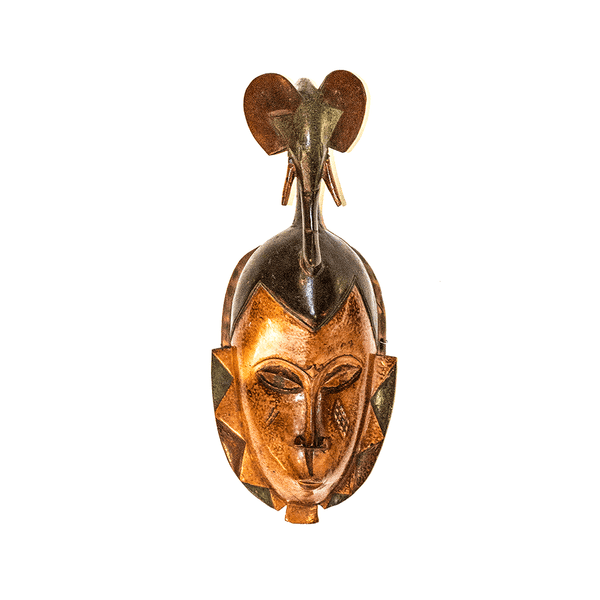
Ivory Coast, West Africa · Mask
Guro Mask
$250
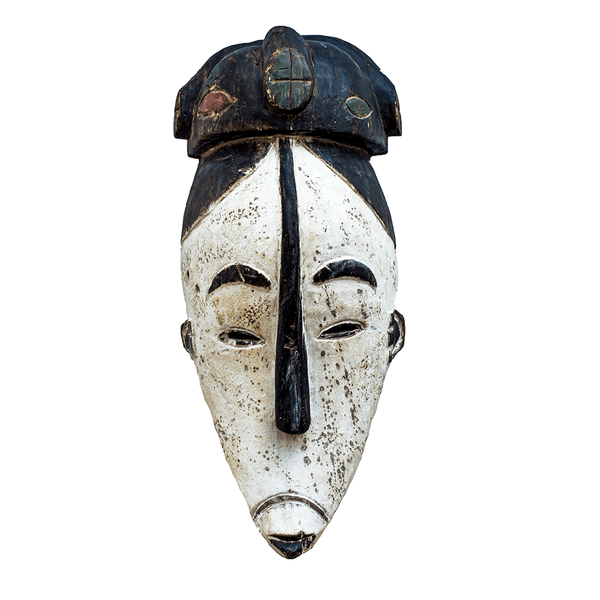
Cameroon, Central Africa · Mask
Carved Fang Mask
$450
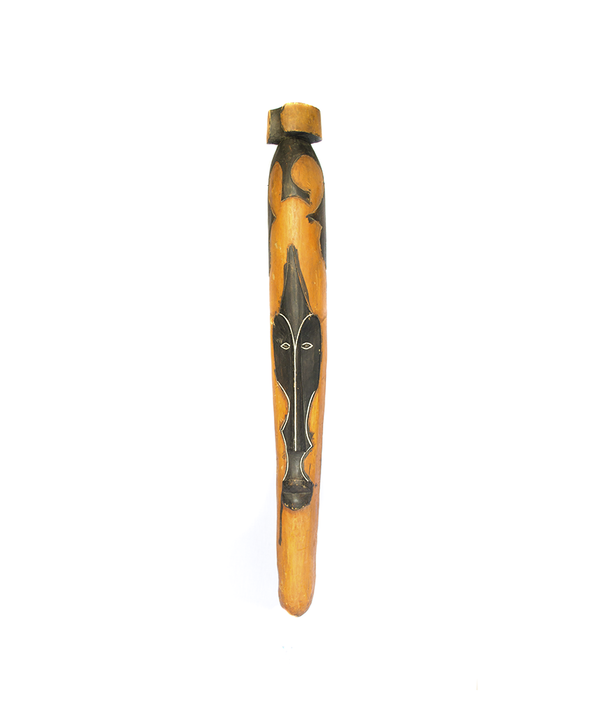
Cameroon, Central Africa · Mask
Fang Mask
$250
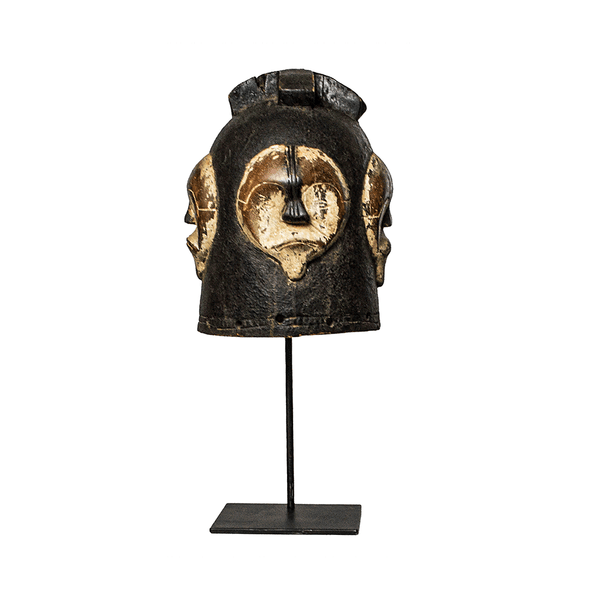
Cameroon, Central Africa · Mask
Helmet Mask
$650
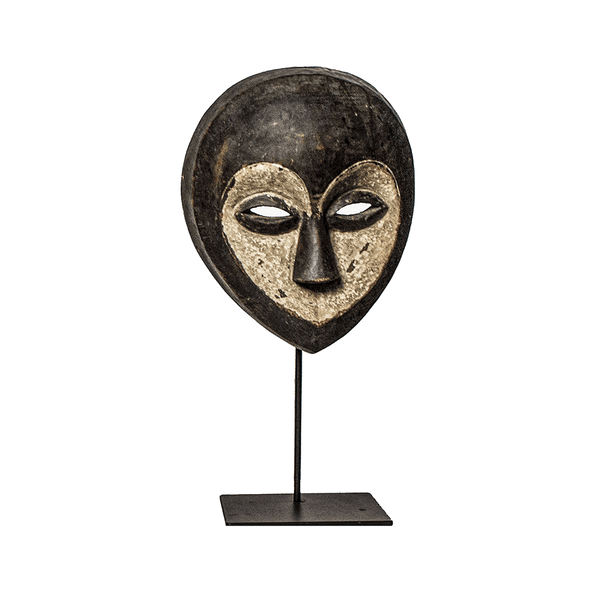
Cameroon, Central Africa · Mask
Kwele Mask
$450
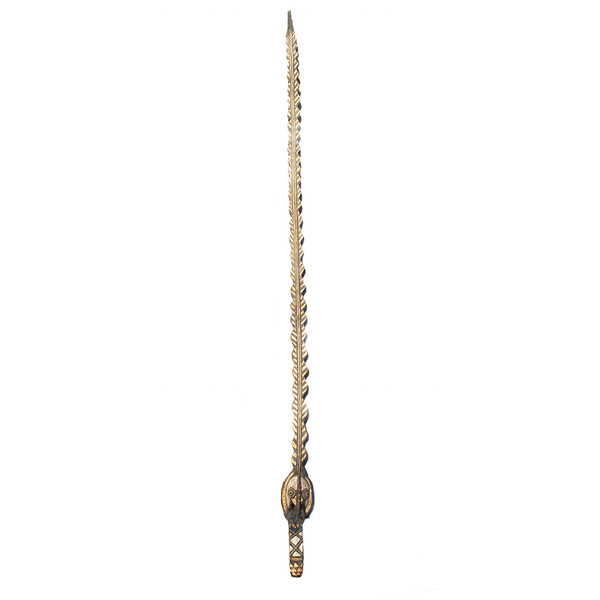
Burkina Faso, West Africa · Mask
Large Mossi Tribe Mask
$9,995
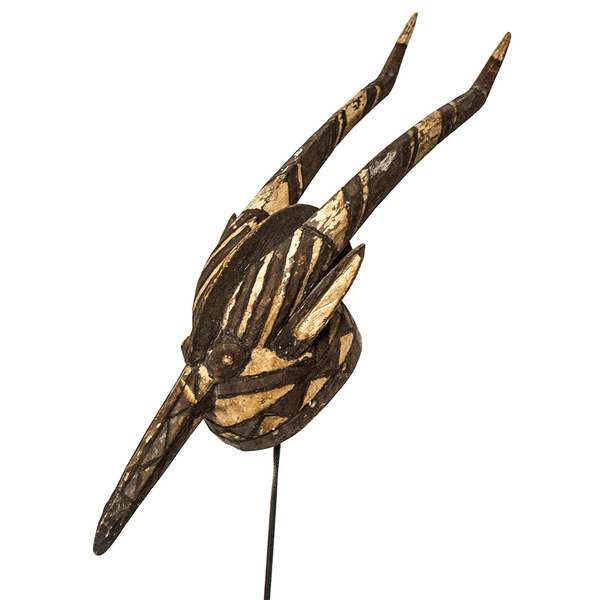
Burkina Faso, West Africa · Mask
Mossi Antelope Mask
$550