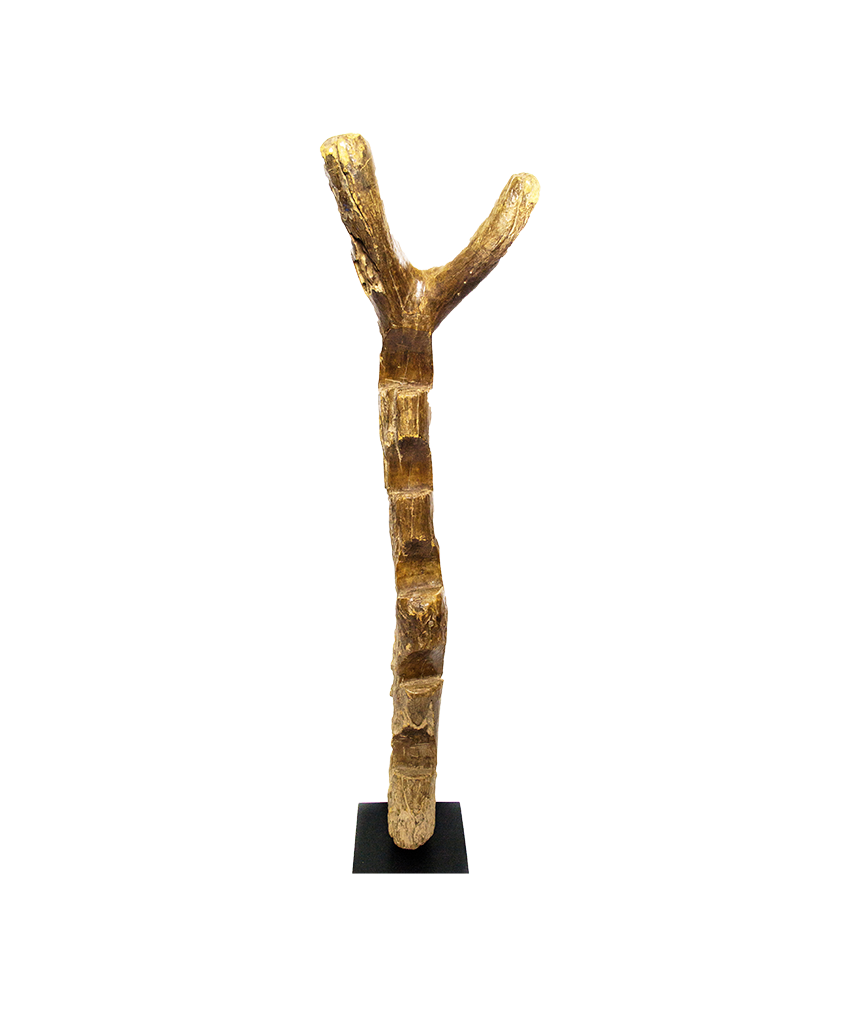
Mali, West Africa · Dogon Tribe
Ladder
Piece #S009 · Year Made: 1954
$3,199
Shipping individually quoted
Origin
Mali, West Africa
Period
Mid-20th Century
Medium
Hand Carved Teak Wood
Length
66"
Width
12"
Height
12"
Details & Materials
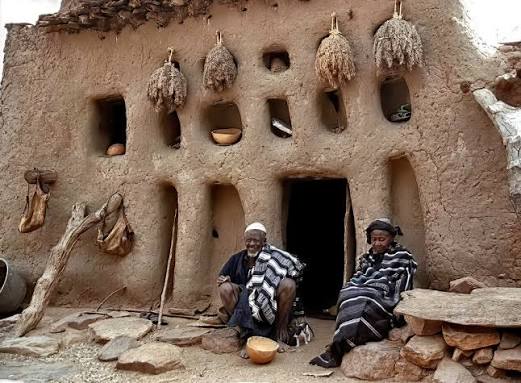
"Ladder" is a piece of sculpture that began as a tool. The Dogon, a people of the central plateau region of Mali and among the oldest surviving cultures in Africa, built their homes into the sides of sandstone cliffs and reached them on ladders like this one: a teak trunk that forks at the top, with wedges carved in as footholds and the fork set against the wall for stability.
Retired from service, the ladder keeps its sculptural lines and natural patina, which is why Dogon ladders are prized as art far beyond Mali. The Dogon are celebrated above all for their wood carving, and this piece carries that tradition in working form. Comes complete with a custom stand.
- Condition: Excellent, not previously owned, undamaged
- Sourcing: Fair Trade
- Certificate of Authenticity: Available Upon Request
- Provenance Report: Available Upon Request
Shipping
Buy now and leave the shipping to us. At checkout you pay for the piece plus a shipping deposit. We then plan the packing for your piece and email you the remaining shipping balance. This applies to both domestic and international orders. Every shipment is tracked, and most deliveries need a signature.
- Domestic: 5-8 business days
- International: 10-14 business days
- White-glove delivery available on request
Care & Placement
Dust with a soft, dry cloth. Keep it out of direct sunlight, away from radiators, dampness, and any sudden change of temperature. Do not place in extremely cold areas.
Place on a solid, level surface using the stand that is included.
Origin
Mali
West Africa
"When I was first exposed to African art, I felt a deep connection to it. It is hard to explain. It resonates with me spiritually."
Michael, Founder
York's Shona Gallery was the first in New York City to bring African sculpture to American collectors. Every piece in our collection is acquired directly, ensuring authenticity and fair exchange with the artists and communities who create them.
About the Tribe
Dogon Tribe
Wood Sculpture
The Dogon are an ancient group from Mali in West Africa. They are said to be of Egyptian decent and their astronomical lore goes back thousands of years to 3200 BC. The Dogon people believe they are the living conduit between heaven and Earth and to possess not only knowledge of the cosmos, but of man’s true origins.
For centuries the Dogon successfully managed to remain isolated from neighboring influences as well as from capture by Islamic slave traders. Their cultural, oral and written history stayed miraculously intact. There is much debate surrounding the subject of astrophysical claims the Dogon knew prior to the modern science world.
Social stratification among the Dogon involves a complex ordering of individuals based on their position within various social groups defined either by descent or locality. Groupings include clan, village, patria-lineage, and, for men, an age-set or -grade.
Each of these groups is hierarchically ordered based on age and the rules of descent, and all of the group levels interact with one another, so that one who is generally well respected within the family will most likely hold an important position within society.
Dogon religion is defined primarily through the worshiping of the ancestors and the spirits whom they encountered as they moved across the Western Sudan. The Awa society is responsible for carrying out the rituals, which allow the deceased to leave the world of the living and enter the world of the dead.
Public rites include funerary rites (bago bundo) and the dama ceremony, which marks the end of the mourning period. Awa society members are also responsible for planning the sigui ceremonies, which commence every sixty years to hand on the function of the dead initiates to the new recruits.
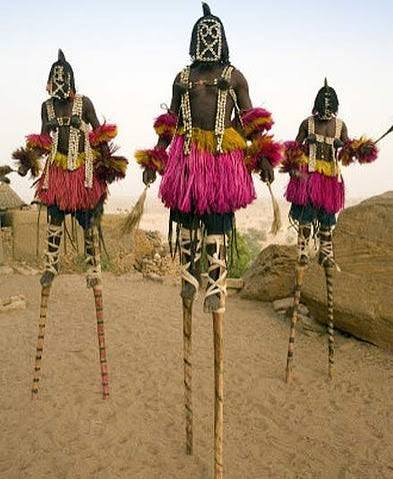
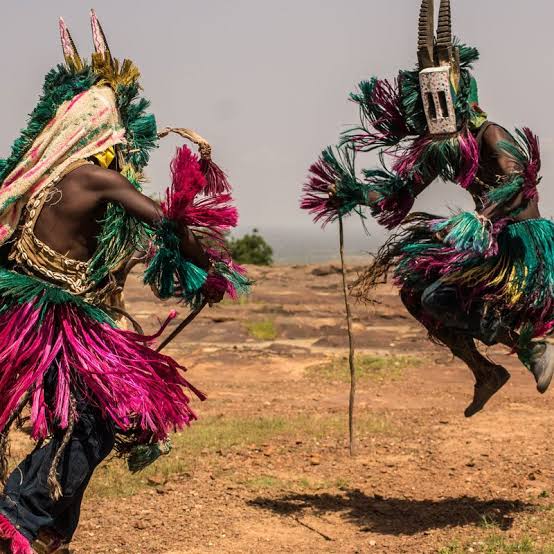
The rites involve masking traditions and are carried out only by initiated males who have learned the techniques needed to impersonate the supernaturals, or spirits. The leader of the Awa society is the olaburu who is a master of the language of the bush (sigi so). The society is divided in accordance with age-grades, ignoring traditional lineage and hierarchical ordering within the village.
The Dogon are best known for their extensive carving of masks and wooden figurative art. The primary colors used by the Dogon are usually red, black, and white, and popular patterns include spirals and checkerboard motifs, both of which can be traced to their origin stories.
In your home
Loading the room...
Surfaces
Pedestal
Styled with and outdoors
Rooms
The Tradition
African Wood Carving
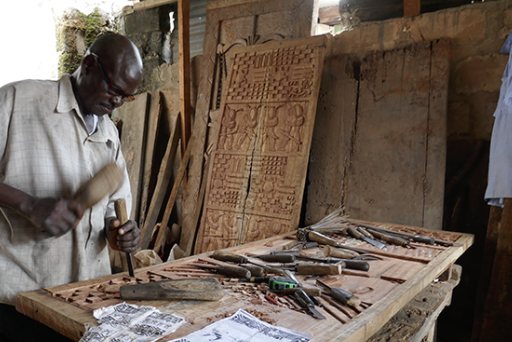
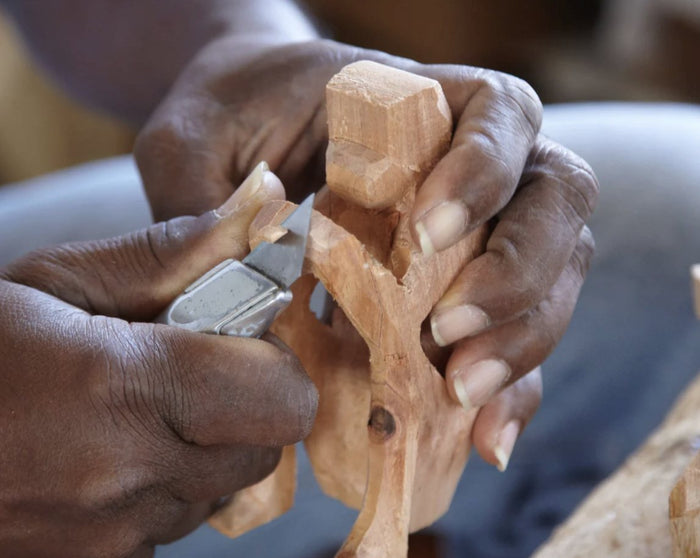
Wood has long been the great sculptural material of Africa. Carved from a single trunk, each piece carries the grain of the living tree and the marks of the hands and tools that shaped it.
- Wood
- Ebony, teak, jarrah, cherry and local hardwoods
- Made
- By hand, from a single block
- Tools
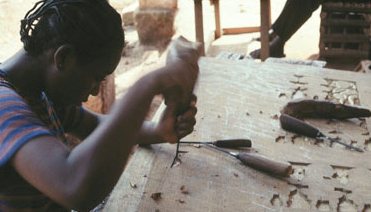
- Adze, knife and chisel
- Made for
- Ceremony, decoration and storytelling
The woods we carry
Ebony wood
A dense, heavy wood that grows slowly, with an almost black heart and pale outer wood from the same log that carvers often use together in one piece
Teak wood
A strong hardwood of warm golden brown, resistant to weather, that deepens in tone with age
Jarrah wood
A very dense, deep red hardwood that darkens to a rich reddish brown as it ages
Cherry wood
A wood with a fine, even grain and a warm reddish tone that grows richer the longer it is exposed to light
Related Pieces
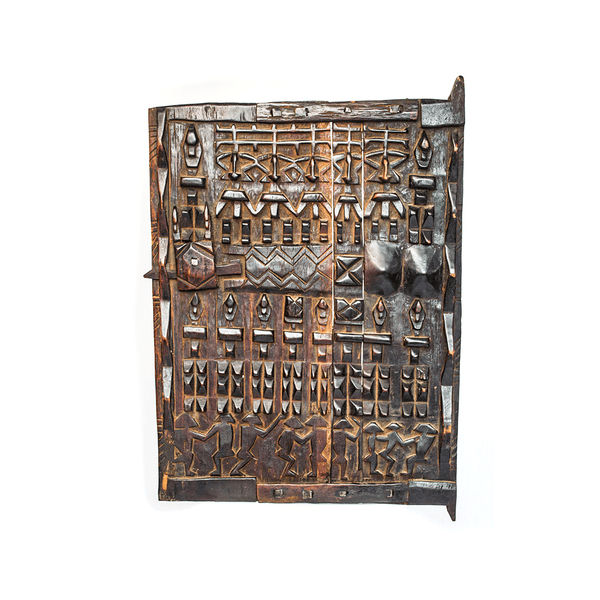
Mali, West Africa · Decor
Dogon Door
$3,500
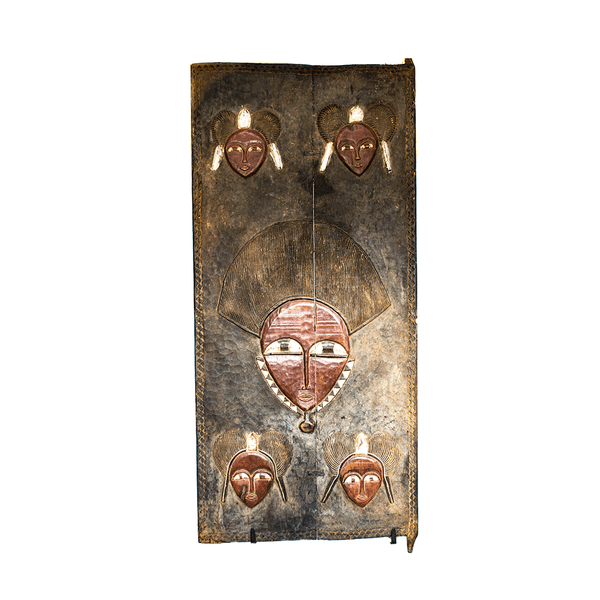
Mali, West Africa · Decor
Dogon Tribe Door
$5,400
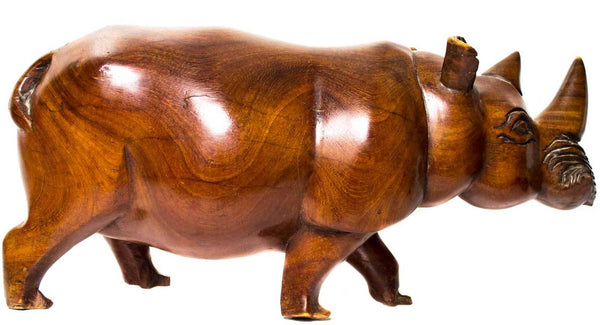
Malawi, Southern Africa · Wood Sculpture
Rhino
$2,700
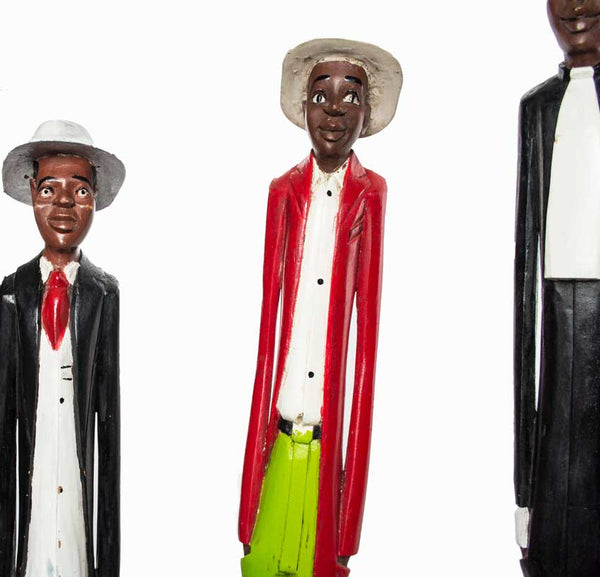
Ivory Coast, West Africa · Wood Sculpture
Colonial People
$250
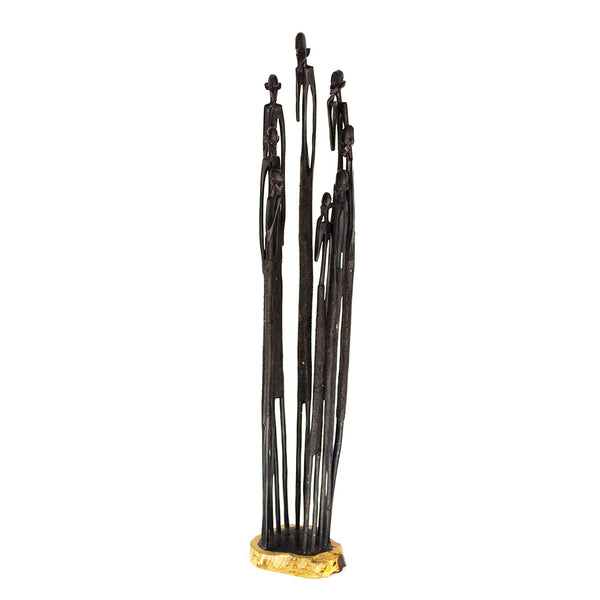
Kenya, East Africa · Wood Sculpture
Masaai Tribe
$3,200
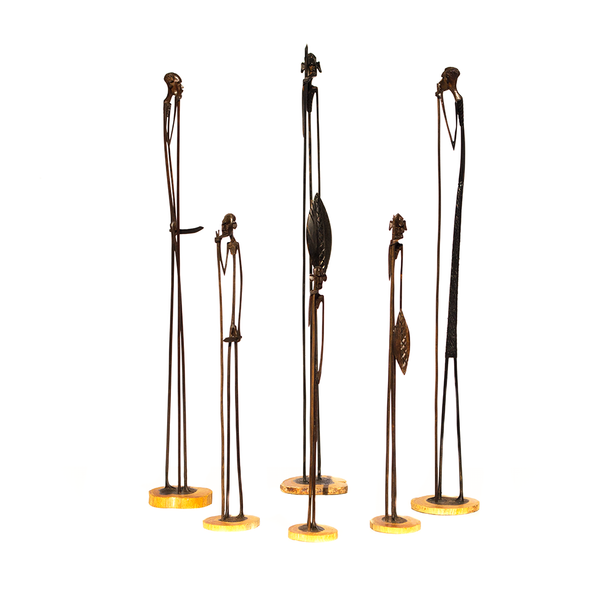
Kenya, East Africa · Wood Sculpture
Masaai People
$275
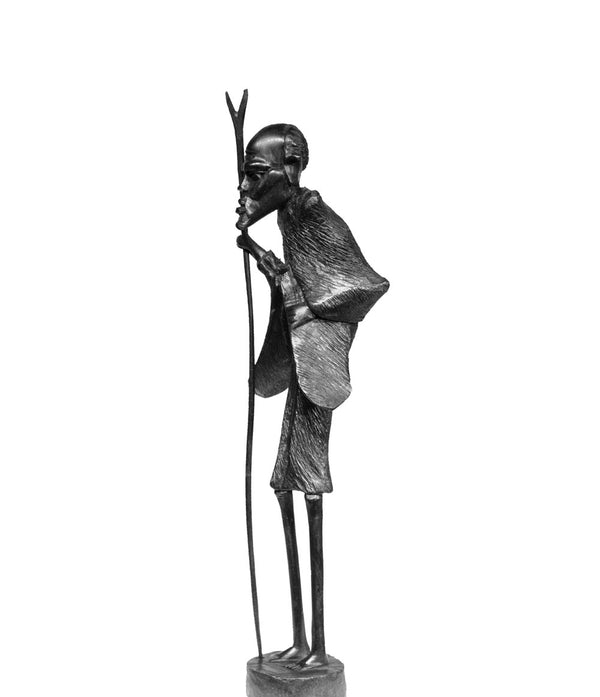
Kenya, East Africa · Wood Sculpture
Masaai Old Man
$275
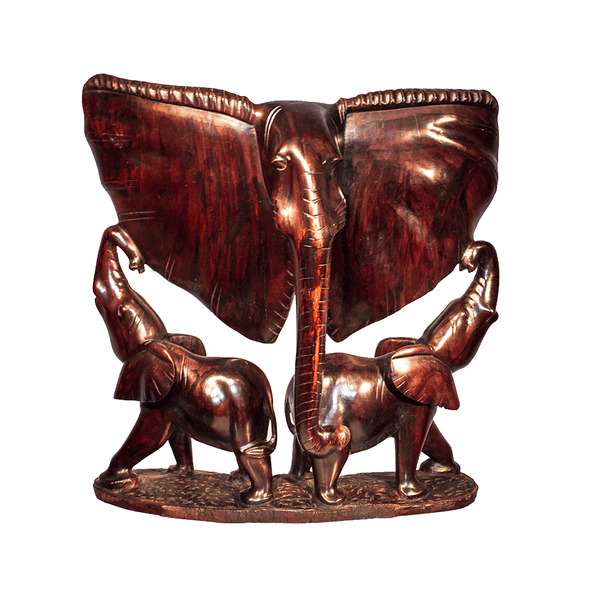
Kenya, East Africa · Wood Sculpture
Mother and Children
$1,850