
Burkina Faso, West Africa · Bwa Tribe
Sun Mask
Piece #M008 · Year Made: 1962
$4,500
Shipping individually quoted
Origin
Burkina Faso, West Africa
Period
Mid-20th Century
Medium
Hand Carved Wood
Length
36"
Width
38"
Details & Materials
Don't wait. There's only 1 of these available.
Medium: One of a Kind Hand Carved Wood
Dimensions:
Height: 3.2 feet/38 inches, 97 centimeters
Length: 3 feet/36 inches, 91 centimeters
Region: Burkina Faso, West Africa
Tribe: Bwa Tribe
Approximate Age: 59 years (1963)
Item Number: M008
Collection: Tribal Masks
Tear Sheet: Available Upon Request
Provenance Report: "Sun Mask"
Condition: Excellent; Not previously owned; Undamaged
Sourcing: Fair Trade
Certificate of Authenticity Provided
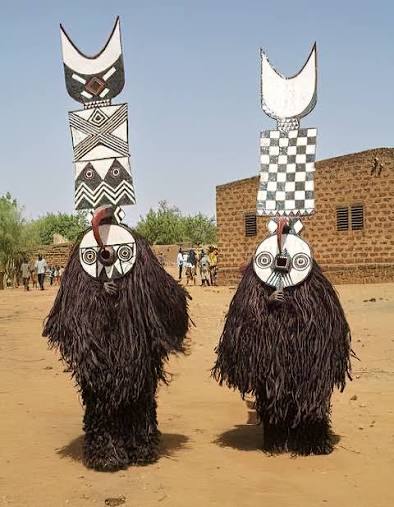
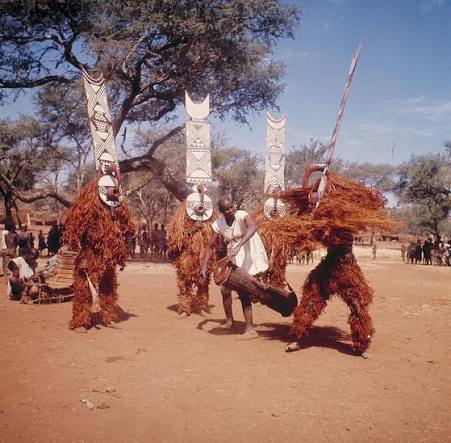
York's Shona Gallery presents the "Sun Mask." The Sun Mask was hand carved in 1963 in Burkina Faso in West Africa by the Bwa peoples. It is a unique, large plank mask made from one piece of wood. It depicts a face with an arrow motif as a nose circular concentric eyes, and an open, round mouth. The Sun Mask is danced around by the Bwa peoples during agricultural ceremonies to bless seasonal crops.
The Bwa Tribe occupy large areas of Mali and Burkina Faso, extending from the banks of the Bani River in Mali in the north almost to Diebougou and the Ghana/Burkina border in the south. The Bwa have produced different types of wooden masks that portray human and animals characters with dramatic abstracted features and brightly colored geometric designs worked onto the surface of their masks.
Some other masks have abstract forms difficult to associate to any animal or human character. The Bwa religion is based upon magical objects and figures that are kept in village and family shrines. The spirit that inhabits the shrine also is found in masks that represent a spirit of the bush known as ‘Su’ that appears in different animal forms. These masks appear on a number of occasions including the initiation of young boys when they are informed about the different masks, their meanings, and how the various masks symbolize early myths and local history during annual celebrations when the masks are danced.
This lightweight mask can be easily mounted to the wall.
Shipping
At York’s Shona Gallery, we always put our clients first. We have the most rapid fulfillment services of all online art websites. The majority of items will ship within 6 hours of ordering from Monday-Saturday. Depending on the shipping method you choose and where you are located in the United States, you should receive your item within 5 days.
We also ship worldwide. Purchase the item of your choice and we will contact you shortly after with details on shipping and applicable taxes.
Back to Tribal Masks
- Condition: Excellent, not previously owned, undamaged
- Sourcing: Fair Trade
- Certificate of Authenticity: Available Upon Request
- Provenance Report: Available Upon Request
Shipping
Buy now and leave the shipping to us. At checkout you pay for the piece plus a shipping deposit. We then plan the packing for your piece and email you the remaining shipping balance. This applies to both domestic and international orders. Every shipment is tracked, and most deliveries need a signature.
- Domestic: 5-8 business days
- International: 10-14 business days
- White-glove delivery available on request
Care & Placement
Dust with a soft, dry cloth. No oil, polish or cleaning product is needed, and none should be used.
Keep it out of direct sunlight and away from radiators and damp. Wood cracks when it dries unevenly, and heat is the usual cause.
Hangs on a wall or sits on its stand. Fix a wall mounting into a stud or an anchor rated for the weight.
Origin
Burkina Faso
West Africa
"When I was first exposed to African art, I felt a deep connection to it. It is hard to explain. It resonates with me spiritually."
Michael, Founder
York's Shona Gallery was the first in New York City to bring African sculpture to American collectors. Every piece in our collection is acquired directly, ensuring authenticity and fair exchange with the artists and communities who create them.
About the Tribe
Bwa Tribe
Mask
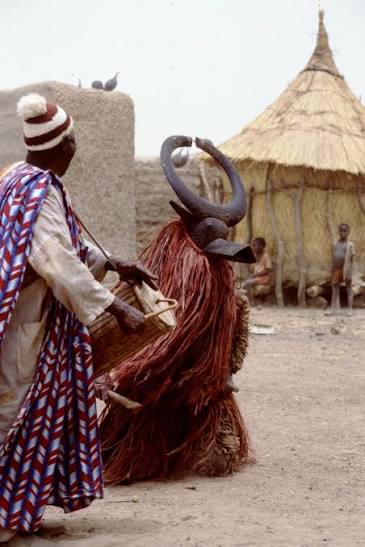
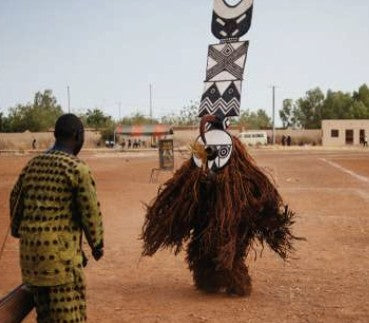
The Bwa people are from Burkina Faso. They typically make animal masks to enlist the power of the spirits who live in the forests, bush country, and rivers surrounding their villages. The masks make the spirits visible to them and put them in touch with another realm. Additionally, the masks depict spirits associated with powerful animals such as buffalo, antelopes, hawks, and fish. The masks are owned by families and clans who use them for protection. Zig-zag lines typically found in the Bwa’s artwork signify the “path of ancestors,” a moral path that is very difficult, but one every villager must follow to succeed in life. Dancing with such masks on market days, funerals, and initiation ceremonies honors the spirits and brings blessing to the community.
In your home
Loading the room...
Surfaces
Pedestal
Styled with and outdoors
Rooms
The Tradition
Masks of Africa
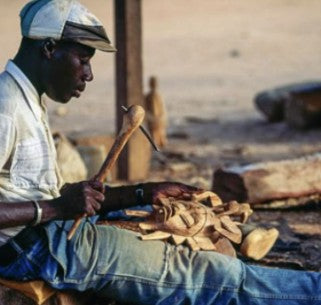
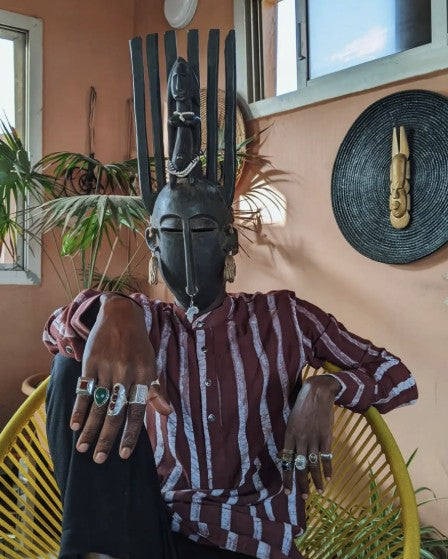
An African mask is made to be worn and danced. With a costume, music and movement, the carved face becomes a spirit or an ancestor, present for a time among the living.
- Worn at
- Funerals, harvests and initiations
- Made from
- Wood, often with paint, clay, fiber, cloth, shells or metal
- Made for
- Ceremony, dance and storytelling
Some masks in our collection
Burkina Faso
Mossi
Tall masks with an antelope face and a plank above, tied to a clan and its founding animal
Burkina Faso
Bwa
Painted plank masks that show flying spirits, danced at funerals, harvests and initiations
Mali
Dogon
Danced at the dama, the ceremony that ends mourning and guides the dead to become ancestors
Gabon and Cameroon
Fang
Long pale faces made for the ngil society, which once acted as police and judges
Liberia and Ivory Coast
Dan
Masks that give form to forest spirits, with each performer called to his mask in a dream
Ivory Coast
Guro
Finely carved faces, often crowned with horns or a crest
Gabon and Congo
Kwele
Heart shaped faces with narrow eyes, carved to bring well being to the village
Ivory Coast and Ghana
Nafana
Large painted Bedu plank masks, danced during the Bedu festival
Related Pieces
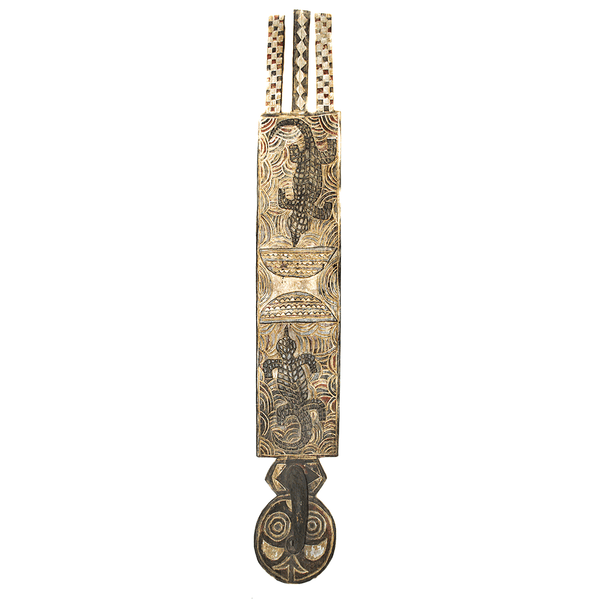
Burkina Faso, West Africa · Mask
Plank Mask
$2,250
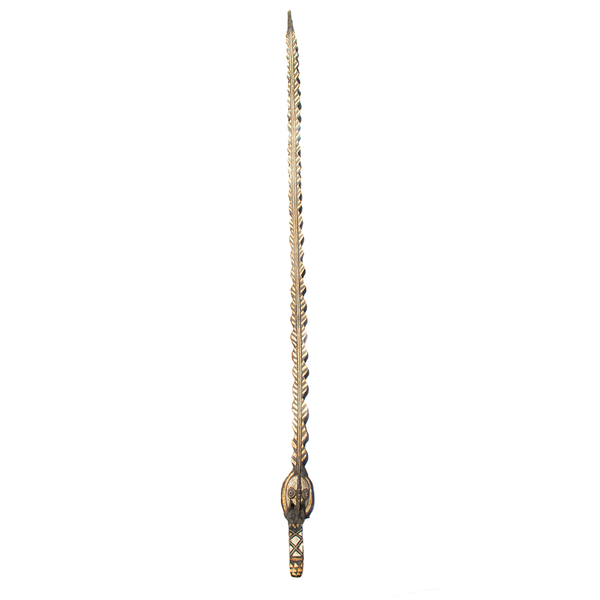
Burkina Faso, West Africa · Mask
Large Mossi Tribe Mask
$9,995
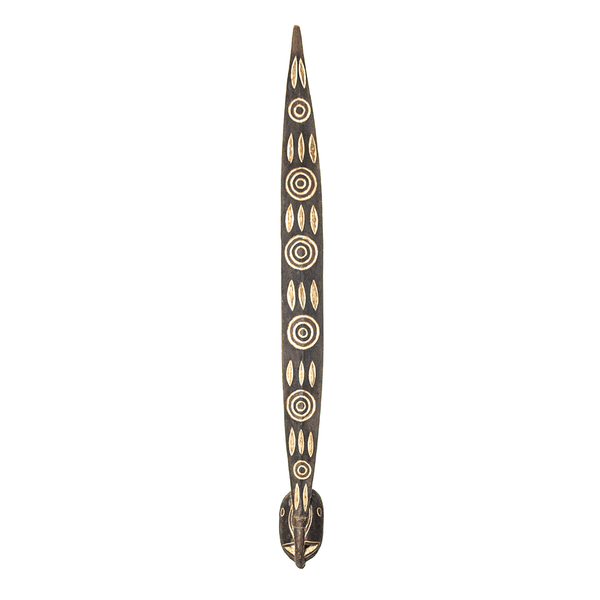
Burkina Faso, West Africa · Mask
Mask
$1,650
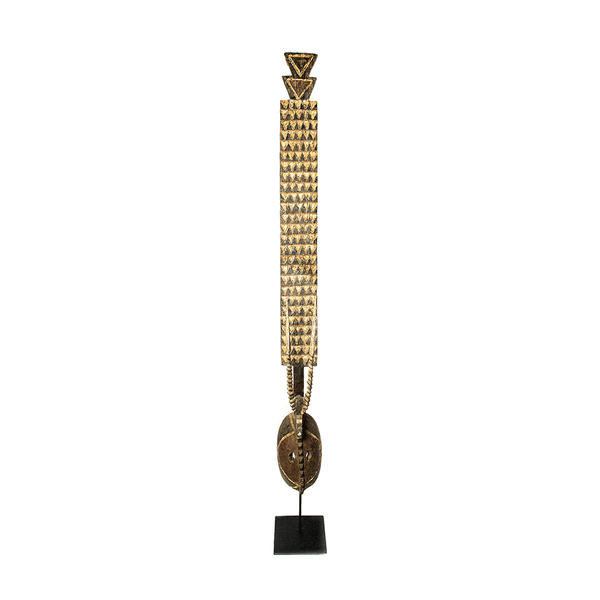
Burkina Faso, West Africa · Mask
Mossi Tribe Mask
$1,850
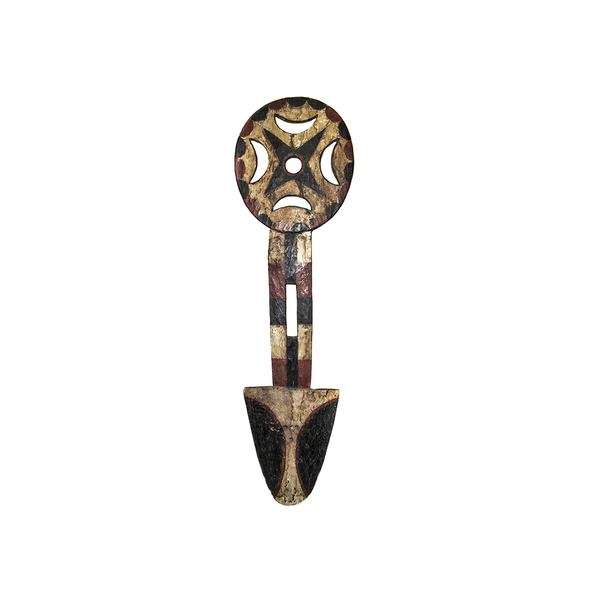
Ivory Coast, West Africa · Mask
Bedu Mask
$3,795
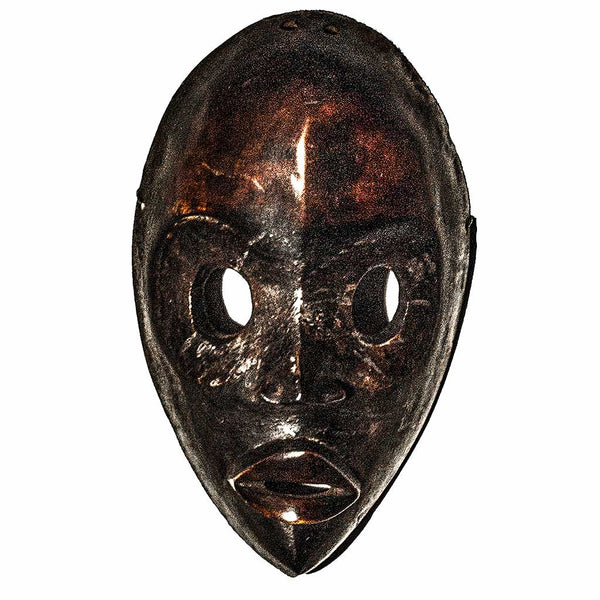
Ivory Coast, West Africa · Mask
Dan Mask
$250
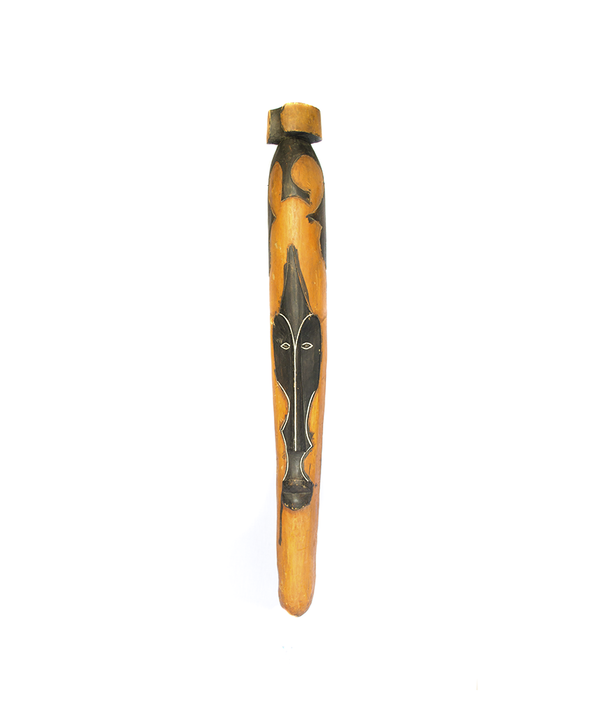
Cameroon, Central Africa · Mask
Fang Mask
$250
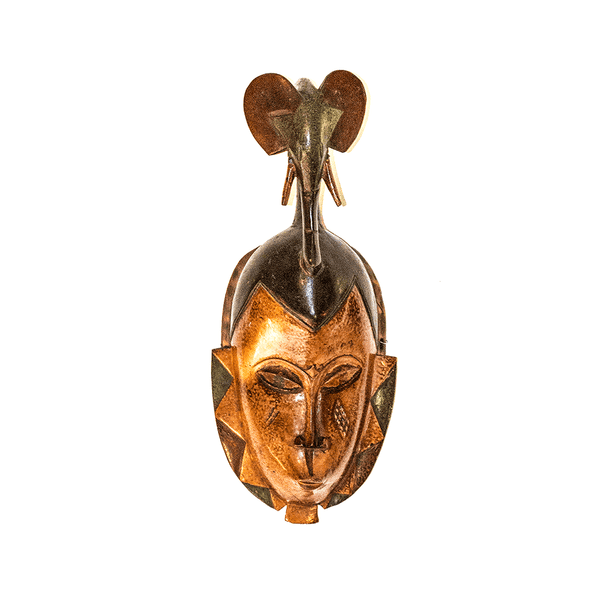
Ivory Coast, West Africa · Mask
Guro Mask
$250