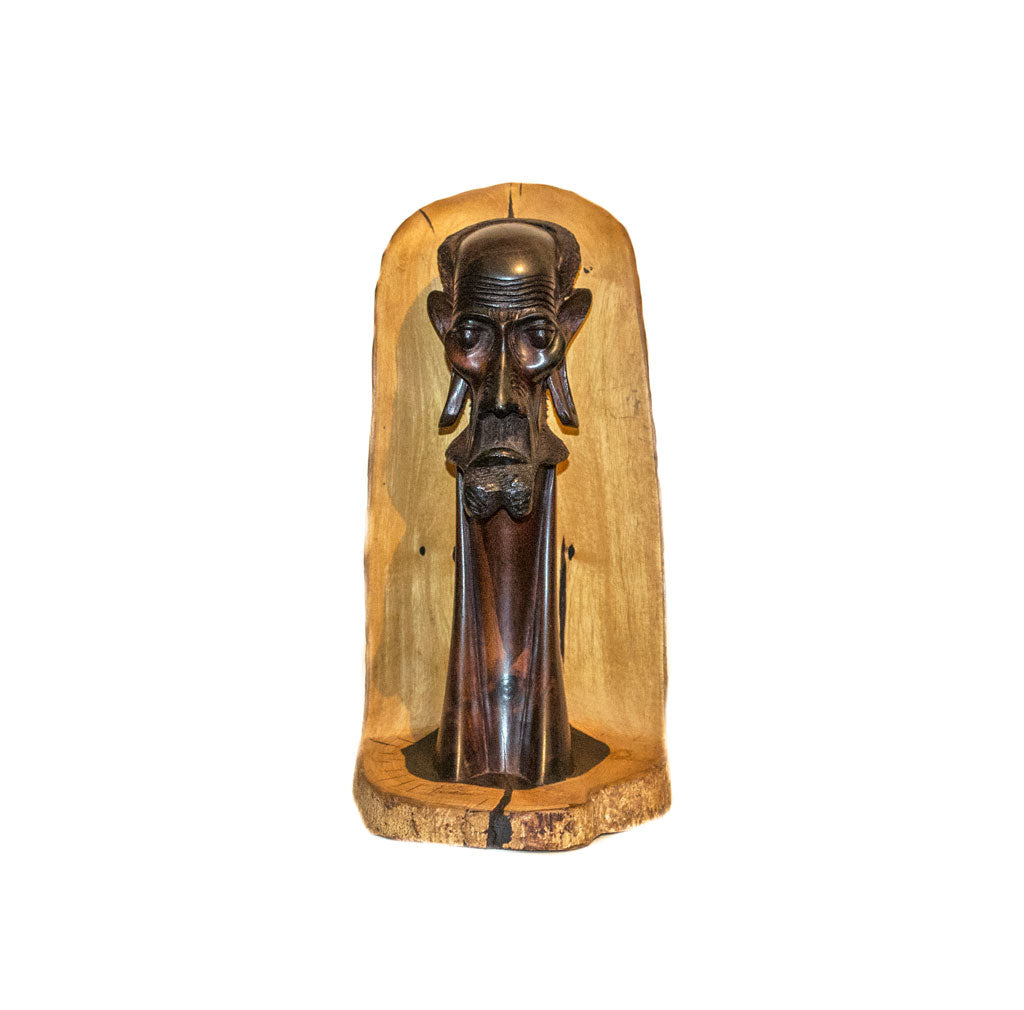
Kenya, East Africa · Masaai Tribe
Masaai Tribe
Piece #S061 · Year Made: 1987
$950
Shipping individually quoted
Origin
Kenya, East Africa
Period
Late 20th Century
Medium
Hand Carved Ebony Wood
Length
4"
Width
4"
Height
9"
Details & Materials
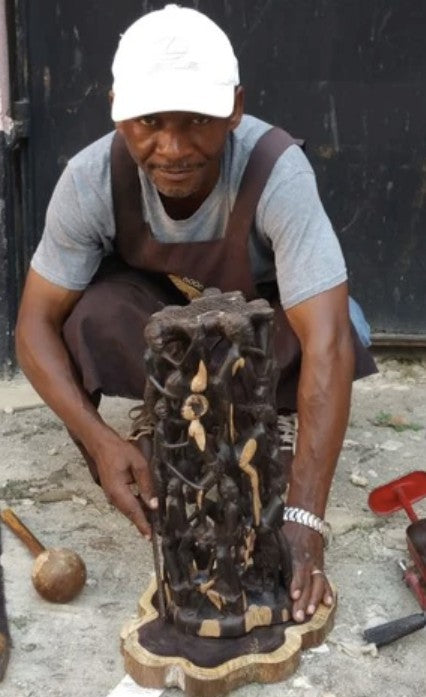
"Masaai Tribe" is a portrait that grew its own frame. The elder's face is carved into the dark heartwood of the ebony, and the pale sapwood of the same uncut block is left standing around it, so the portrait and its frame share one piece of wood. The carving renders every feature in fine detail, capturing the dignity of a respected elder in the Masaai community.
The Masaai are a semi-nomadic people of Kenya and northern Tanzania who hold family above all, and much of their art depicts family members supporting one another.
- Condition: Excellent, not previously owned, undamaged
- Sourcing: Fair Trade
- Certificate of Authenticity: Available Upon Request
- Provenance Report: Available Upon Request
Shipping
Buy now and leave the shipping to us. At checkout you pay for the piece plus a shipping deposit. We then plan the packing for your piece and email you the remaining shipping balance. This applies to both domestic and international orders. Every shipment is tracked, and most deliveries need a signature.
- Domestic: 5-8 business days
- International: 10-14 business days
- White-glove delivery available on request
Care & Placement
Dust with a soft, dry cloth. Keep away from radiators, direct sunlight, dampness, and any sudden change of temperature. Do not place in extremely cold areas.
Place the piece on a level surface
Origin
Kenya
East Africa
"When I was first exposed to African art, I felt a deep connection to it. It is hard to explain. It resonates with me spiritually."
Michael, Founder
York's Shona Gallery was the first in New York City to bring African sculpture to American collectors. Every piece in our collection is acquired directly, ensuring authenticity and fair exchange with the artists and communities who create them.
About the Tribe

Masaai
Wood Sculpture
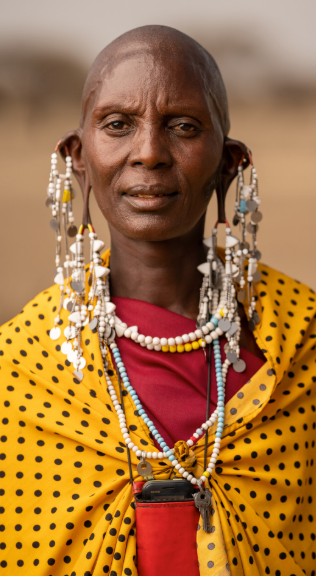
The Masaai are vastly talented in artworks: from decorative beaded jewelry to clay carvings to wooden figures, the Masaai gift the world with some of the most powerful art in Africa. They excel especially in wood carvings, providing very detailed work with a skillful hand in woods that are known to be very hard to work with.
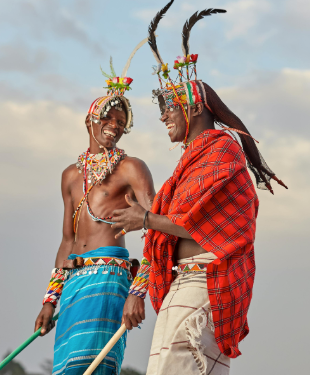
The Masaai are known for their color brightly colored reds, blues and purples of their Shúka--sheets worn wrapped around the body, one over each shoulder, then a third over the top of them. They stand out vividly against the landscape, whether in small mud-thatched villages, more modern towns or the vast open spaces on which they continue to graze their cattle, as they have for more than 500 years.
By the mid-19th century, the Masaai people had become as well known for their strength as warriors, using spears, shields and clubs that could be thrown accurately from up to 70 paces, as they were for their cattle-herding.
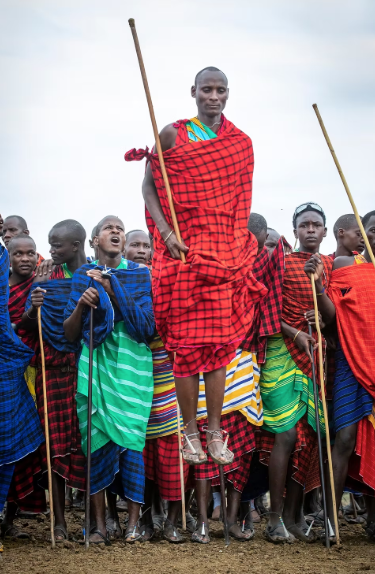
The Masaai culture is known for its music and dance, in which a leader, known as the olaranyani, sings the melody while others sing polyphonic harmony on call-and-response vocals and make guttural throat-singing sounds to provide rhythmic syncopation. The warriors’ coming of age ceremony, known as eunoto, can involve 10+ days of singing, dancing and ritual, including the competitive jumping for which the Masaai are perhaps best known.
Problems between the Masaai tribe and the government date back more than 100 years, to treaties with the British reduced Masaai land in Kenya by 60% to make room for ranches for colonial settlers. In the 1940s, Tanzanian pastoralists were displaced from the fertile lands around Mount Meru, Mount Kilimanjaro and the Ngorongoro Crater. Much of the land taken from the Masaai was used to create many of the world’s most famous wildlife reserves and national parks, including Kenya’s Amboseli, Masai Mara, Samburu and Tsavo and Tanzania’s Lake Manyara, Ngorongoro, Tarangire and Serengeti.
The Masaai people are monotheistic, and their God is named Engai or Enkai. For Masaai people living a traditional way of life, the end of life is virtually without a formal funeral ceremony, and the dead are left out in the fields for scavengers. Burial has in the past been reserved for great chiefs only, since it is believed by the Masaai that burial is harmful to the soil.
A man who has plenty of cattle but not many children is considered to be poor. A Masaai myth says that God afforded them all the cattle on earth, resulting in the belief that rustling from other tribes is a matter of claiming what is rightfully theirs, a practice that has now become much less common.
In your home
Loading the room...
Surfaces
Pedestal
Styled with and outdoors
Rooms
The Tradition
Ebony Wood
Ebony wood is one of the most valuable, rare, and expensive types of wood in the world; prized for its dark core.
- Grows
- Slowly, over many decades
- Color
- Near black heart, pale outer wood
- Made
- By hand, from a single block
- In the wild
- Endangered
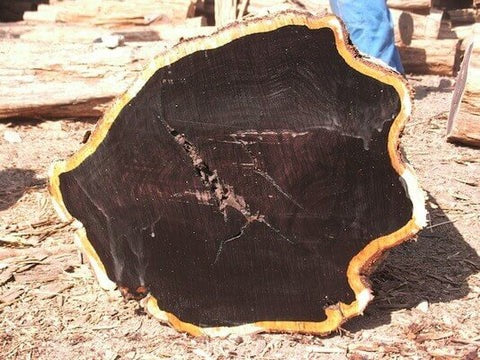
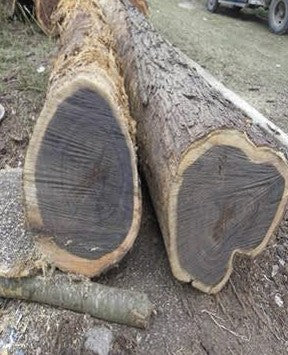
Inside an ebony log
Heartwood
The near black center of the log, the part most prized for carving
Outer wood
The pale layer under the bark, often left on the base as a contrast to the dark figure
Related Pieces
Kenya, East Africa · Wood Sculpture
Masaai People
$159
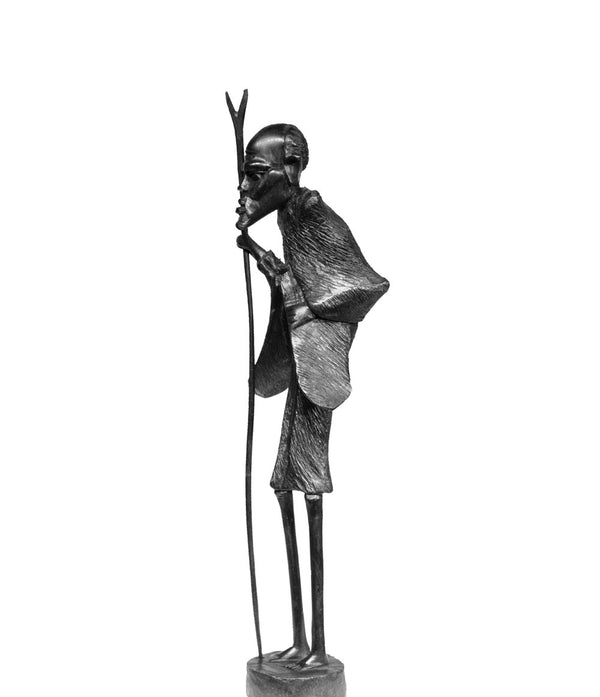
Kenya, East Africa · Wood Sculpture
Masaai Old Man
$275
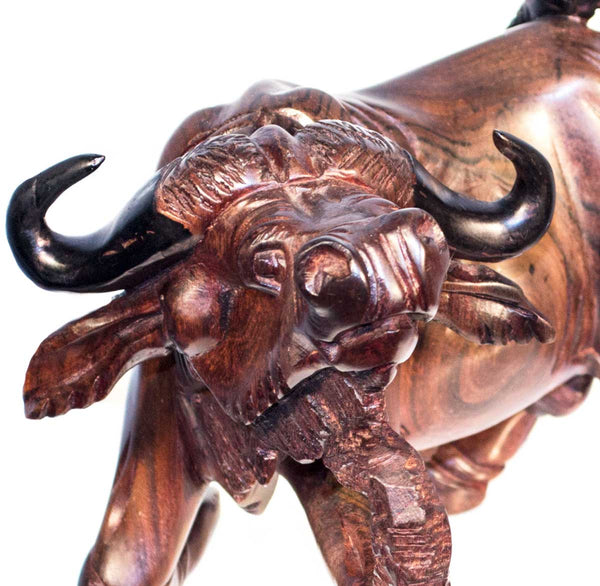
Kenya, East Africa · Wood Sculpture
Buffalo
$1,499
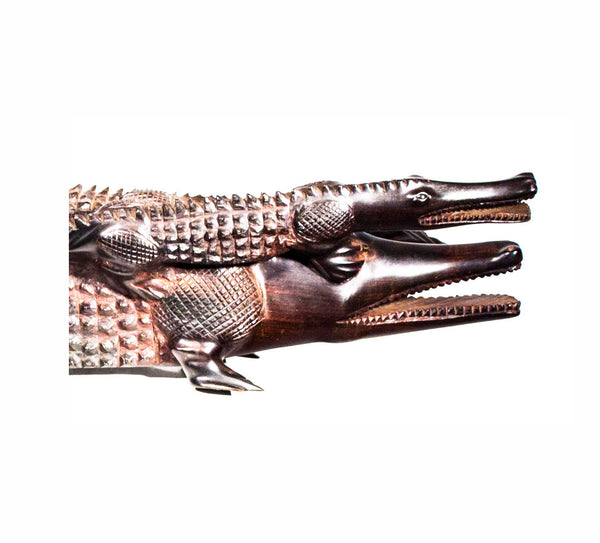
Kenya, East Africa · Wood Sculpture
Crocodile
$2,999
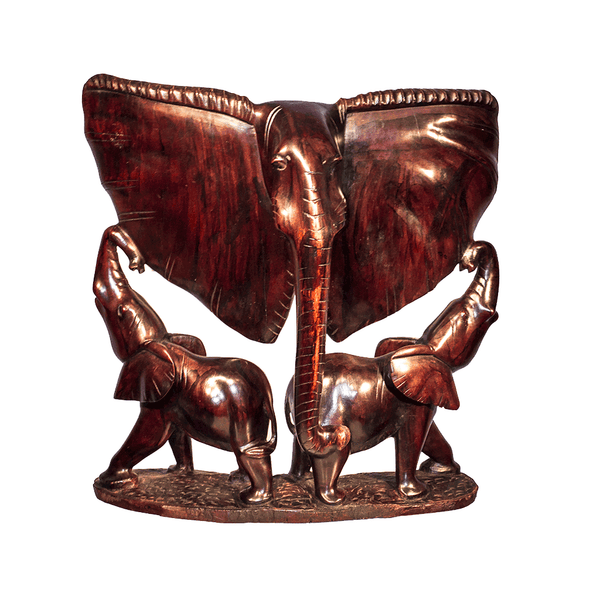
Kenya, East Africa · Wood Sculpture
Mother and Children
$1,999
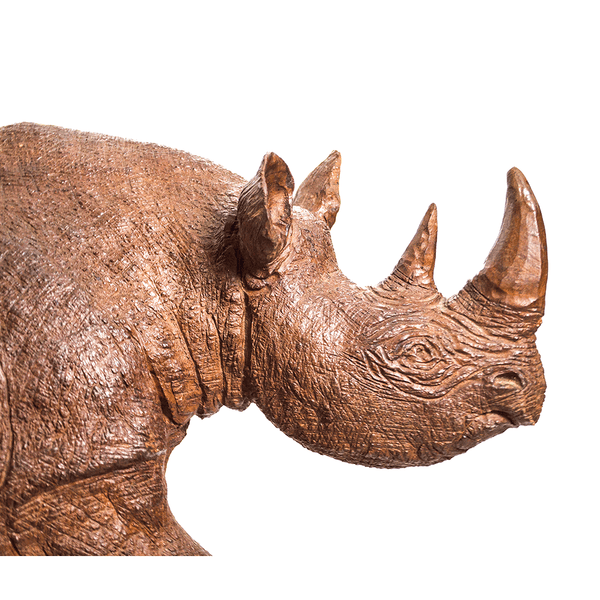
Kenya, East Africa · Wood Sculpture
Rhino
$3,999
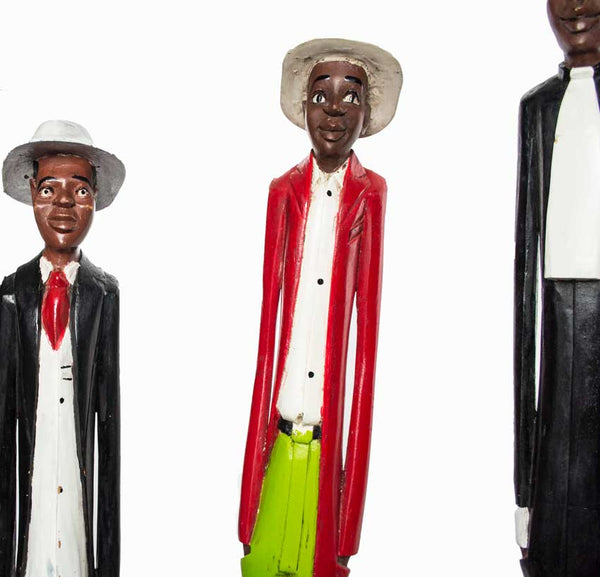
Ivory Coast, West Africa · Wood Sculpture
Colonial People
$499
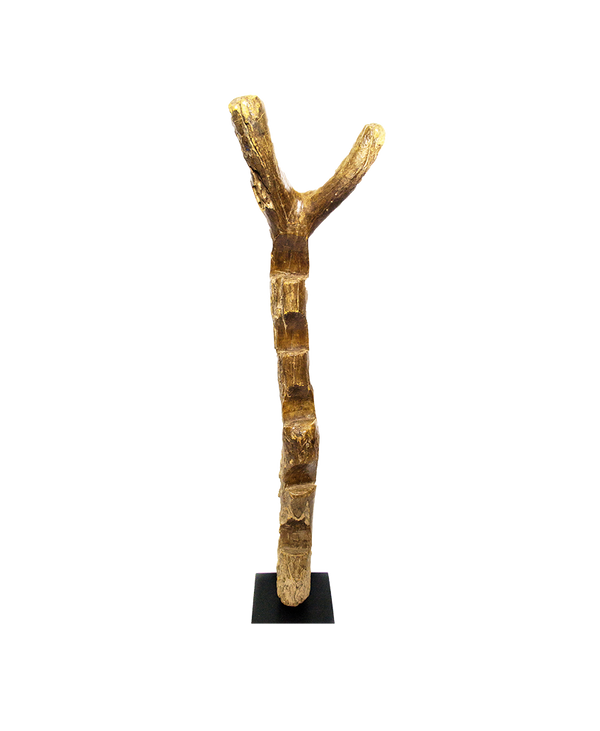
Mali, West Africa · Wood Sculpture
Ladder
$3,199