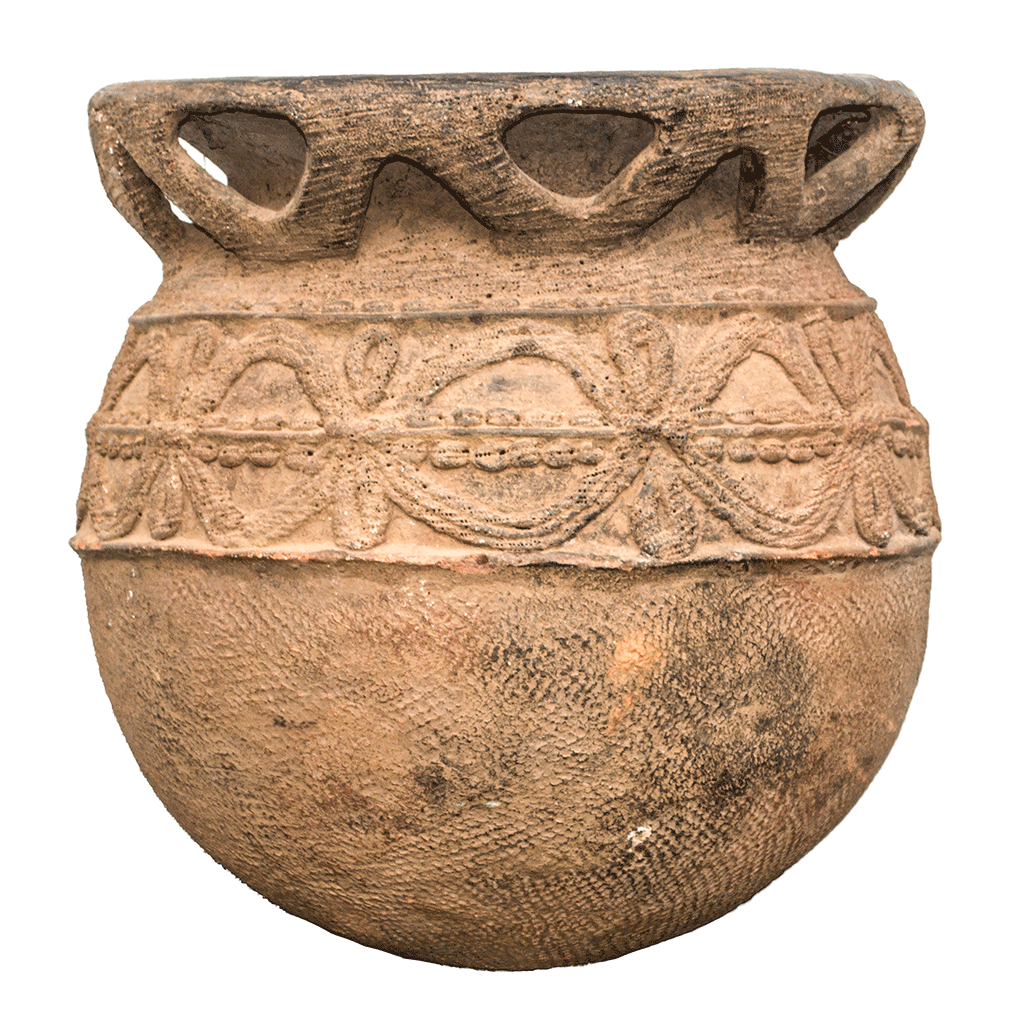
Cameroon, Central Africa · Bamileke Tribe
Aged Palm Wine Vessel
Piece #D007 · Year Made: 1952
$2,999
Shipping individually quoted
Origin
Cameroon, Central Africa
Period
Mid-20th Century
Medium
Hand Made African Clay
Length
16"
Width
16"
Height
19"
Details & Materials
The Aged Palm Wine Vessel was shaped from pure African clay in 1952 by the Bamileke tribe of Cameroon, and it has come through the decades unbroken. The walls are thick and heavy, the surface is worked with an intricate spider motif, and the finish is entirely original, with no restoration of any kind. Vessels like this one stored palm wine, and this example dates from the height of Bamileke pottery artistry.
A stabilizer is included with your order and shown in the photos, keeping the vessel straight and steady on display.
- Condition: Excellent, not previously owned, undamaged
- Sourcing: Fair Trade
- Certificate of Authenticity: Available Upon Request
- Provenance Report: Available Upon Request
Shipping
Buy now and leave the shipping to us. At checkout you pay for the piece plus a shipping deposit. We then plan the packing for your piece and email you the remaining shipping balance. This applies to both domestic and international orders. Every shipment is tracked, and most deliveries need a signature.
- Domestic: 5-8 business days
- International: 10-14 business days
- White-glove delivery available on request
Care & Placement
Dust with a soft, dry brush. Never wash it and never use a damp cloth. Keep it well away from sinks, bathrooms and anywhere it might be splashed.
Place on a solid, level surface using the stabilizer/stand that is included
Origin
Cameroon
Central Africa
"When I was first exposed to African art, I felt a deep connection to it. It is hard to explain. It resonates with me spiritually."
Michael, Founder
York's Shona Gallery was the first in New York City to bring African sculpture to American collectors. Every piece in our collection is acquired directly, ensuring authenticity and fair exchange with the artists and communities who create them.

About the Tribe
Bamileke Tribe
Decor
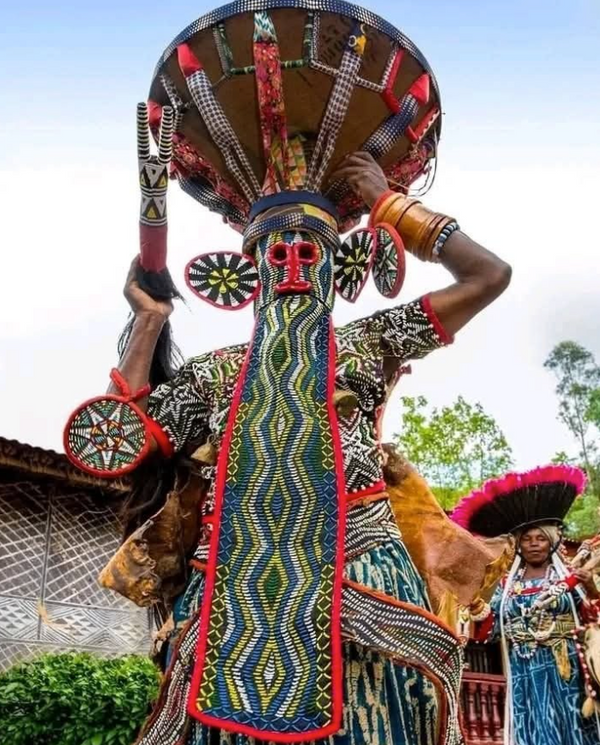
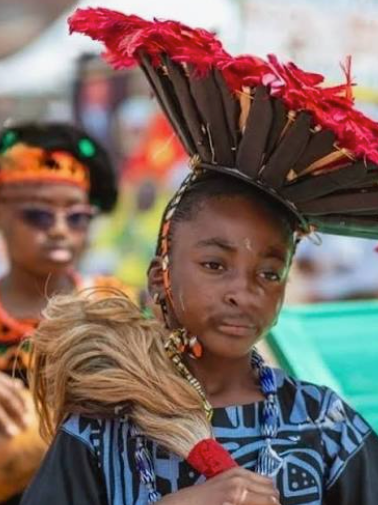
The Bamileke Tribe hails from Cameroon. They speak a language of the Benue-Congo branch of the Niger-Congo family. The tribe does not refer to themselves as Bamileke per se, but instead use the names of the individual kingdoms to which they belong or else refer to themselves as “grasslanders.” Their origin is uncertain and often debated, but it appears that under pressure from Fulani invasions in the 17th century, they moved south in a series of migrations from the region that is now occupied by the Tikar people.
Each of their kingdoms was ruled by a king (fon) whose position was hereditary within a localized patrilineal lineage. Some of these kings were assisted by a queen mother (mafo). Descent, succession, and inheritance are patrilineal among the Bamileke people. Polygamy and dowry are practiced as well.
The Bamileke practice sedentary farming. Their staple crops include corn, taro, and peanuts. Men generally clear the fields, build houses, and engage in crafts, while women do most of the cultivating. They have little livestock. They reside in square houses with conical thatched roofs surmounting latticework walls, made of raffia poles with mud-filled interstices. Chiefs’ houses are decorated with carved doorframes and house posts; a wide variety of articles including artworks was at one time skillfully carved by the Bamileke from wood, ivory, and horn.
The Bamileke are said to be the most ‘business-minded’ of all the African tribes—as they are very enterprising and eagerly adapted a cash economy. They have played an important role in the economic development of Cameroon as professionals, traders, artisans, and laborers.
Ancestor worship is the dominant form of religion. The lineage head preserves the ancestral skulls and offers sacrifices to them. Charms and medicines are prepared by doctors, who also practice divination by interpreting an earth spider’s manipulation of marked blades of grass. Some Bamileke have adopted Islam, while others have been converted to Christianity.
Most Bamileke artworks relate to kings and important chiefs who defined their power by the display of prestige objects during key ceremonies. Statues generally represent the Fon. Beautiful beadwork associated with the Fon is common throughout this area. The art styles of the peoples in the Grasslands are often challenging to differentiate due to the complex and recent migration patterns that are typical of the region.
In your home
Loading the room...
Surfaces
Pedestal
Styled with and outdoors
Rooms
Related Pieces
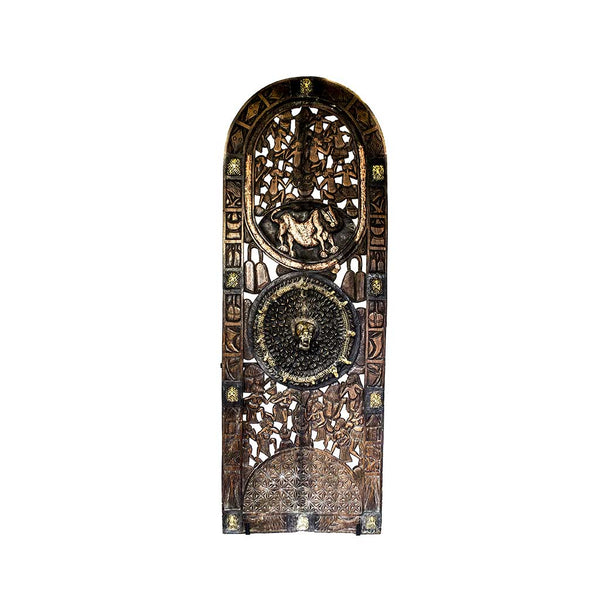
Cameroon, Central Africa · Decor
Royal Door
$5,400
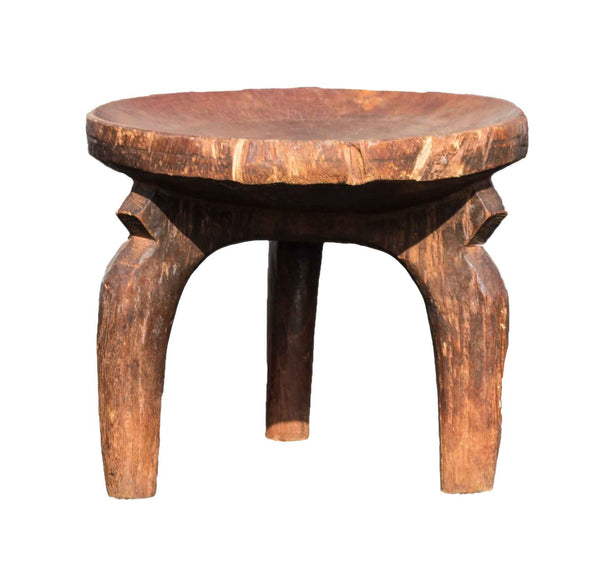
Ivory Coast, West Africa · Decor
Stool
$150
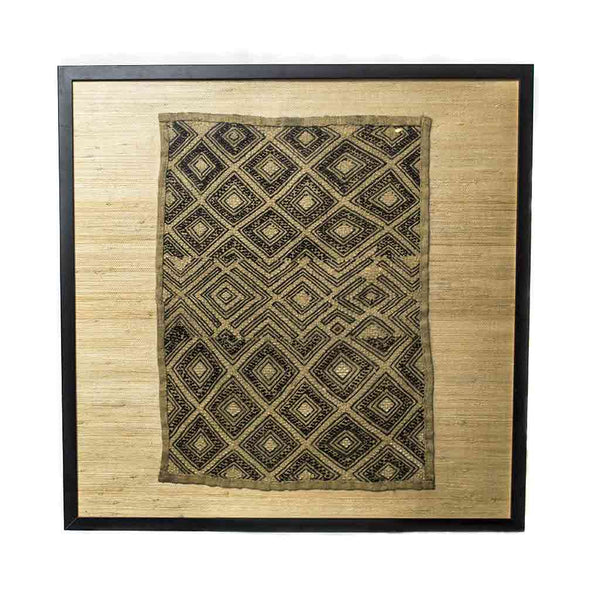
Democratic Republic of the Congo, Central Africa · Decor
Kuba Kloth
$780
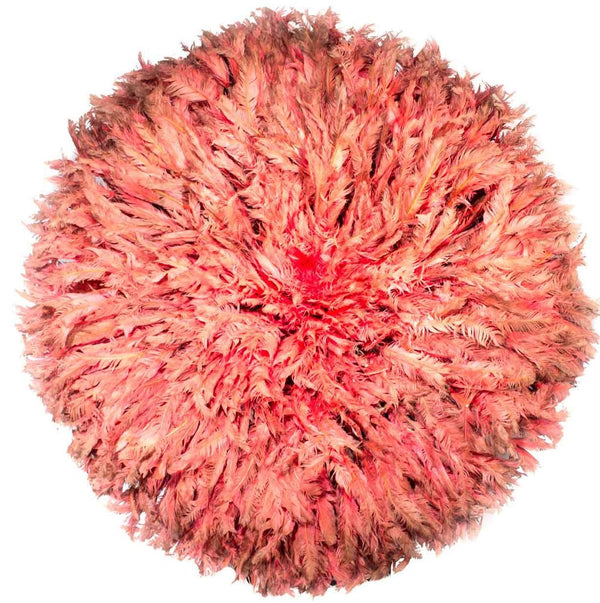
South Africa · Decor
Ostrich Feathers Wall Art
$550
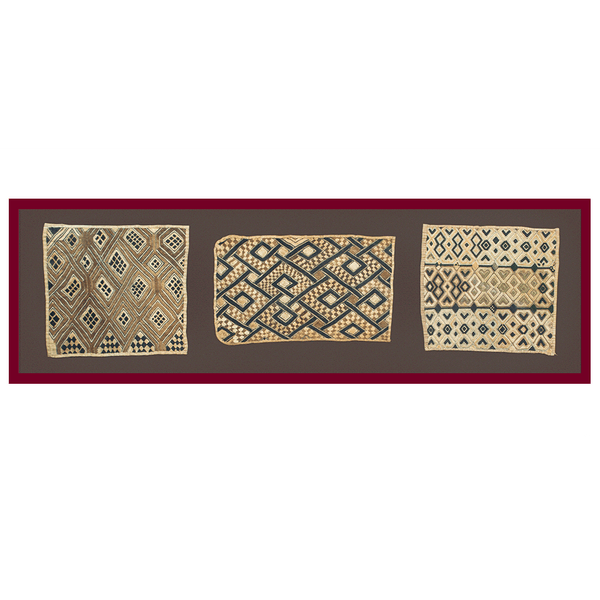
Democratic Republic of the Congo, Central Africa · Decor
Kuba Kloth Panels
$2,700
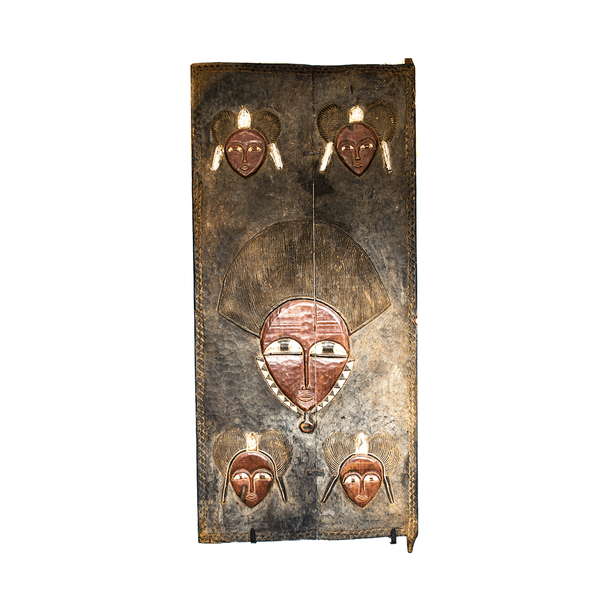
Mali, West Africa · Decor
Dogon Tribe Door
$5,400
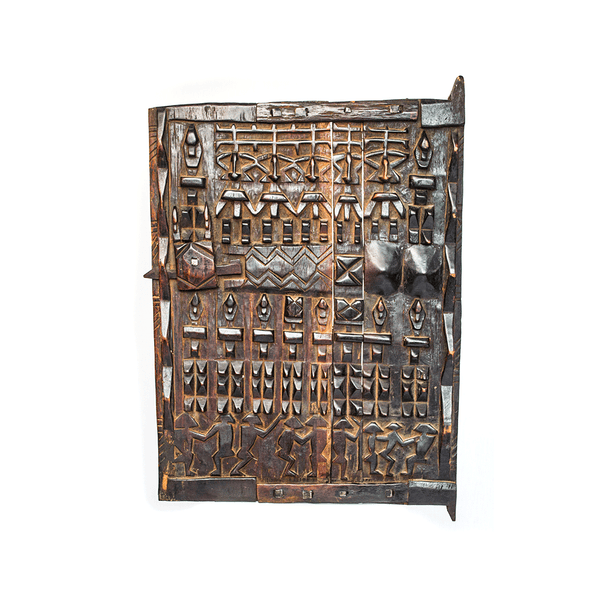
Mali, West Africa · Decor
Dogon Door
$3,500

Morocco, North Africa · Decor
Aged Moorish Door
$14,995