Kenya, East Africa
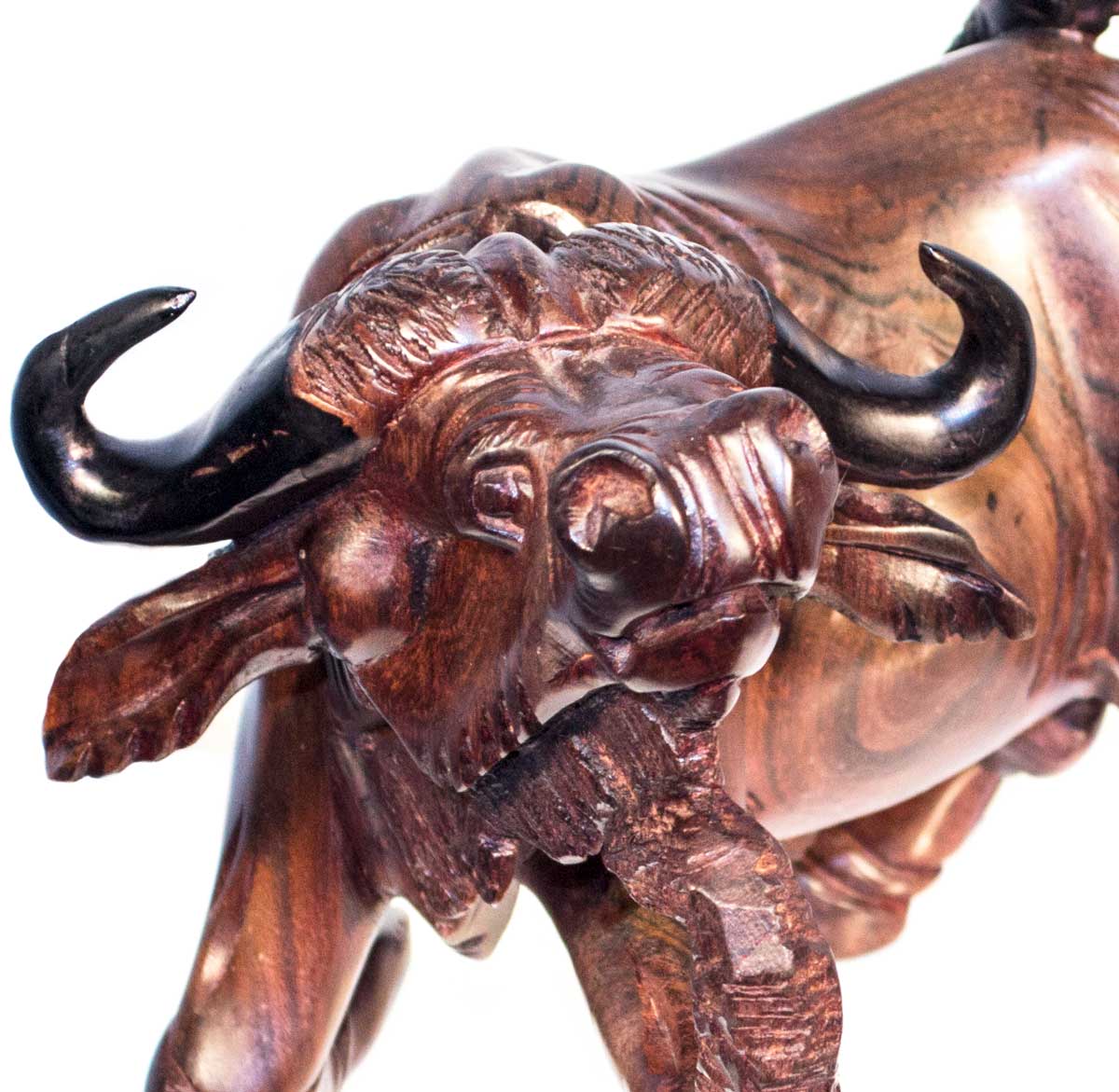
Buffalo
Piece #SF006 · Year Made: 1987
$1,250
Shipping individually quoted
Origin
Kenya, East Africa
Period
Late 20th Century
Medium
Hand Carved Ebony Wood
Length
9"
Width
7"
Height
8"
Details & Materials
A spirited, expressive buffalo sculpture hand carved from ebony wood.
Buffaloes live in large herds numbering up to 500. Some groups have been known to reach around 2,000. Their united social structure and unpredictable behavior make them ferocious opponents even to lions, their biggest threat in the wild. Fearless and loyal, buffaloes are known to come to the ‘rescue’ of a fellow herd member should one be taken down by a lion or a crocodile. Sometimes the predator will back off to safety and the victim will walk away. In the bush, it is said that a buffalo looks at you like you owe them money.
- Condition: Excellent, not previously owned, undamaged
- Sourcing: Fair Trade
- Certificate of Authenticity: Available Upon Request
- Provenance Report: Available Upon Request
Shipping
Buy now and leave the shipping to us. At checkout you pay for the piece plus a shipping deposit. We then plan the packing for your piece and email you the remaining shipping balance. This applies to both domestic and international orders. Every shipment is tracked, and most deliveries need a signature.
- Domestic: 5-8 business days
- International: 10-14 business days
- White-glove delivery available on request
Care & Placement
Dust with a soft, dry cloth. Keep away from radiators, direct sunlight, dampness, and any sudden change of temperature. Do not place in extremely cold areas.
Place the piece on a level surface
Origin
Kenya
East Africa
"When I was first exposed to African art, I felt a deep connection to it. It is hard to explain. It resonates with me spiritually."
Michael, Founder
York's Shona Gallery was the first in New York City to bring African sculpture to American collectors. Every piece in our collection is acquired directly, ensuring authenticity and fair exchange with the artists and communities who create them.
In your home
Loading the room...
Surfaces
Pedestal
Styled with and outdoors
Rooms
The Tradition
Ebony Wood
Ebony wood is one of the most valuable, rare, and expensive types of wood in the world; prized for its dark core.
- Grows
- Slowly, over many decades
- Color
- Near black heart, pale outer wood
- Made
- By hand, from a single block
- In the wild
- Endangered
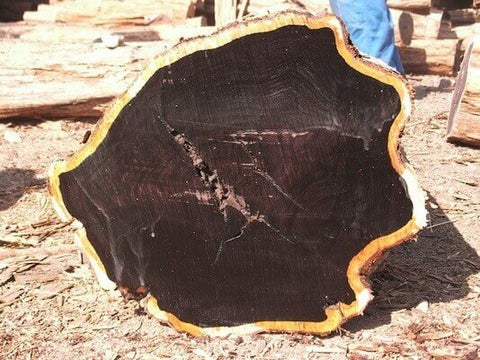
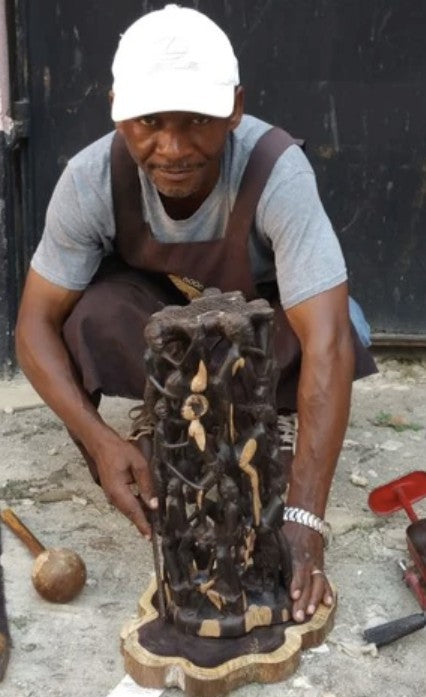
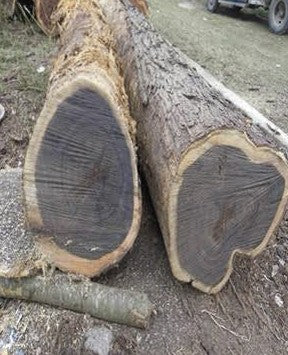
Inside an ebony log
Heartwood
The near black center of the log, the part most prized for carving
Outer wood
The pale layer under the bark, often left on the base as a contrast to the dark figure
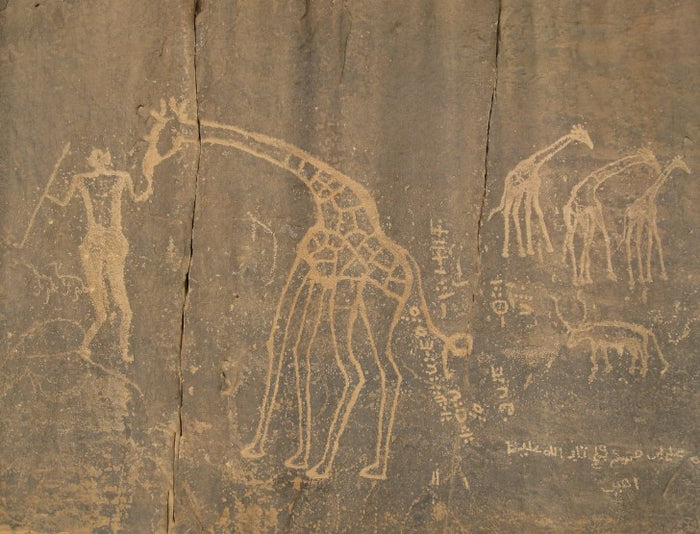
Animals in African Art
The Significance of Animals
In African art an animal is rarely just an animal. It can stand for a king, a clan, an ancestor or a lesson, and its meaning changes from one people to the next.
- Stands for
- Power, family, and a good harvest
- Teaches
- Right from wrong
- Seen in
- Masks, brass figures, stone and wood sculpture
Animal symbols
Nigeria
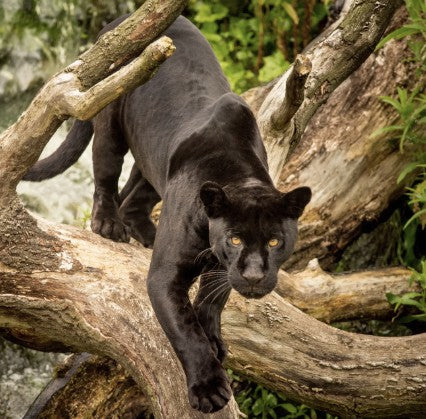
Leopard
A symbol of the king
Cameroon
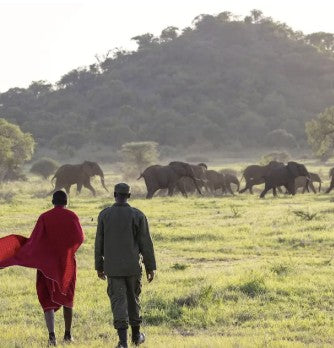
Elephant
A symbol of power
Mali
Antelope
A symbol of farming and a good harvest
Zimbabwe
Lion
A family symbol for many Shona clans
Related Pieces
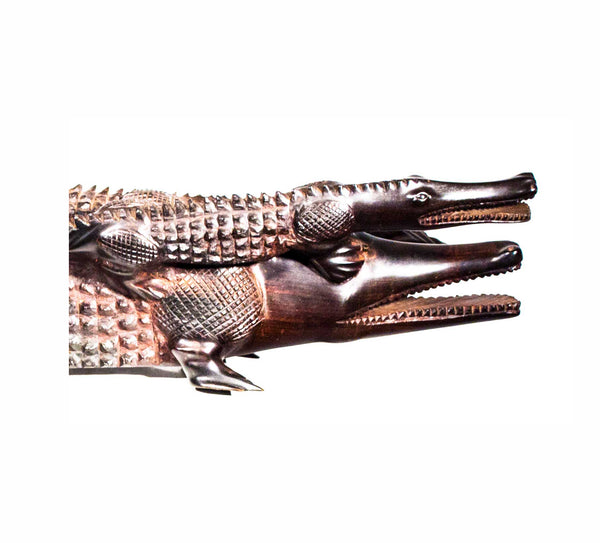
Kenya, East Africa · Wood Sculpture
Crocodile
$2,750
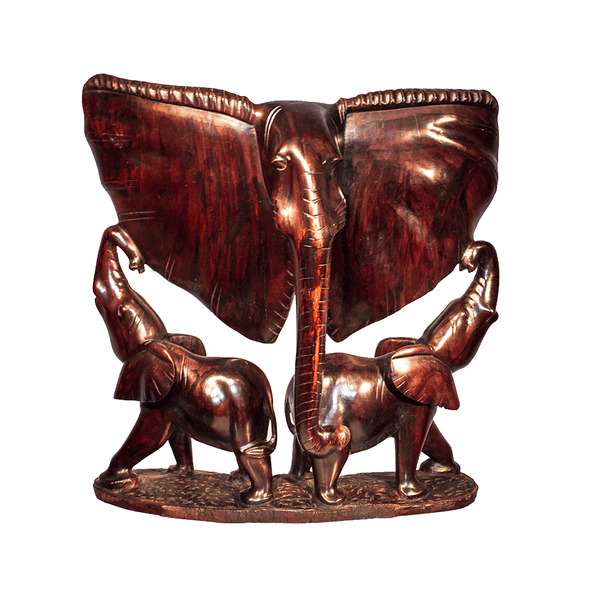
Kenya, East Africa · Wood Sculpture
Mother and Children
$1,850
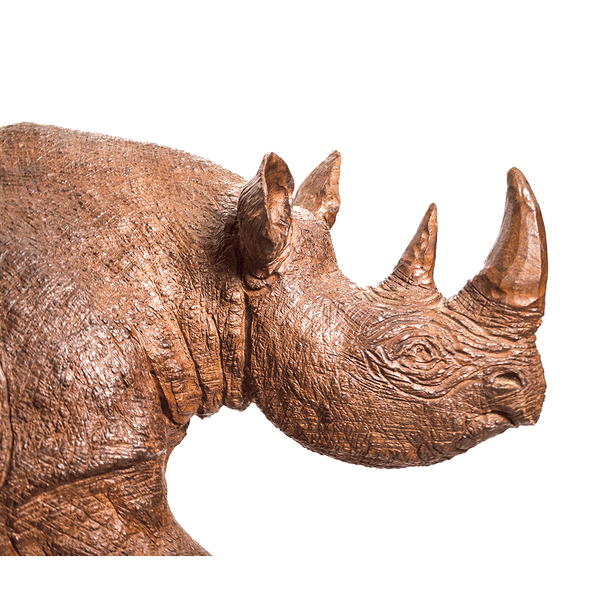
Kenya, East Africa · Wood Sculpture
Rhino
$2,500
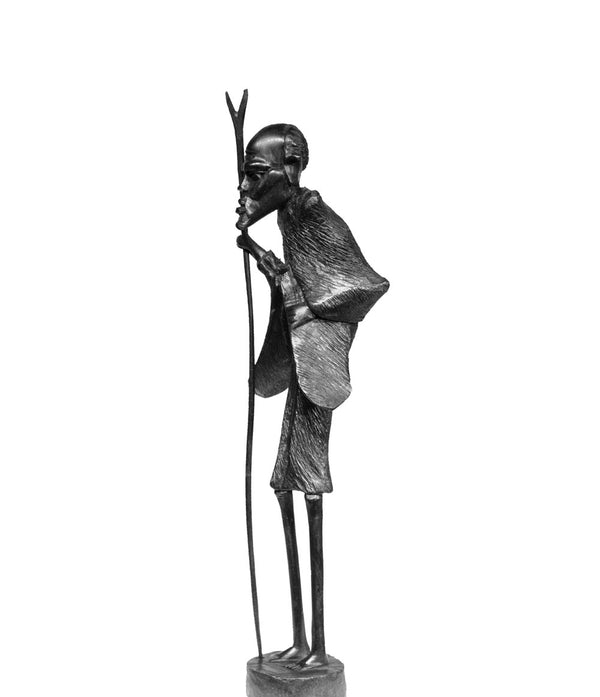
Kenya, East Africa · Wood Sculpture
Masaai Old Man
$275
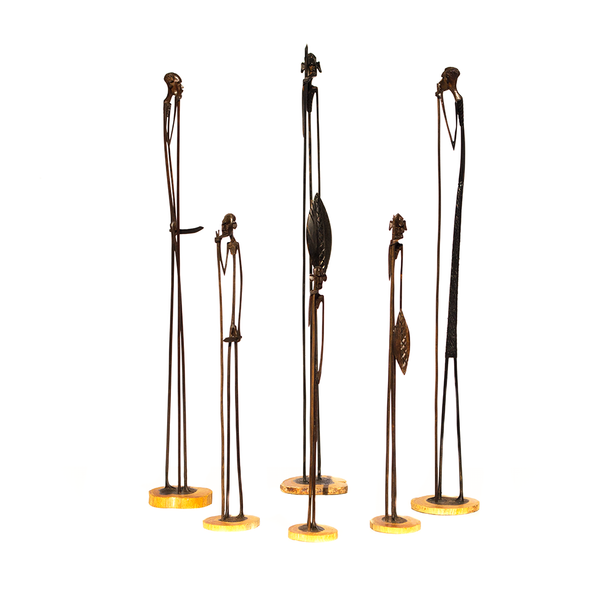
Kenya, East Africa · Wood Sculpture
Masaai People
$275
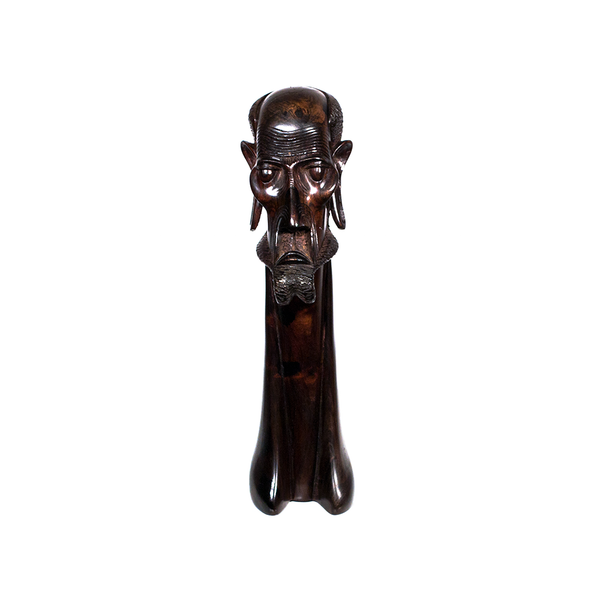
Kenya, East Africa · Wood Sculpture
Masaai Tribe
$750
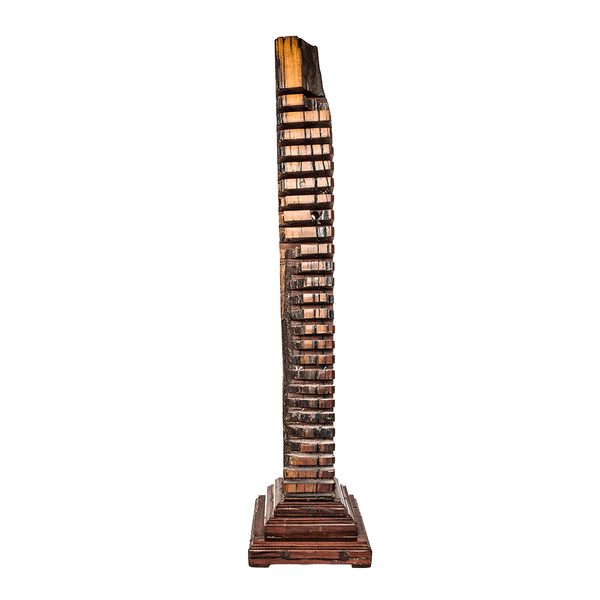
Zimbabwe, Southern Africa · Wood Sculpture
CD Rack
$650
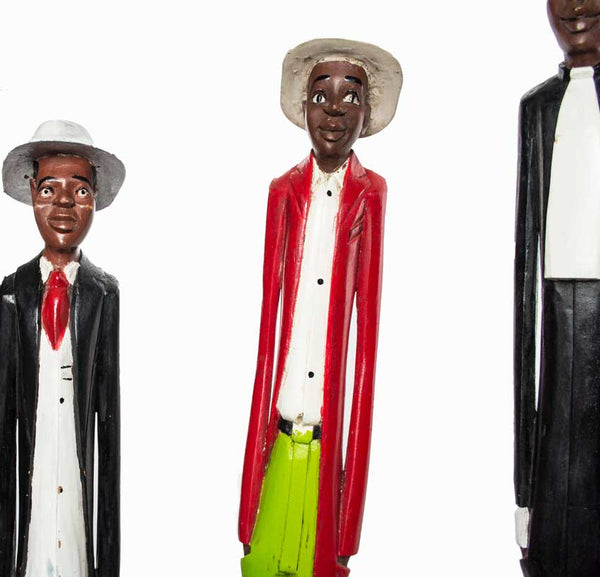
Ivory Coast, West Africa · Wood Sculpture
Colonial People
$250