South Africa
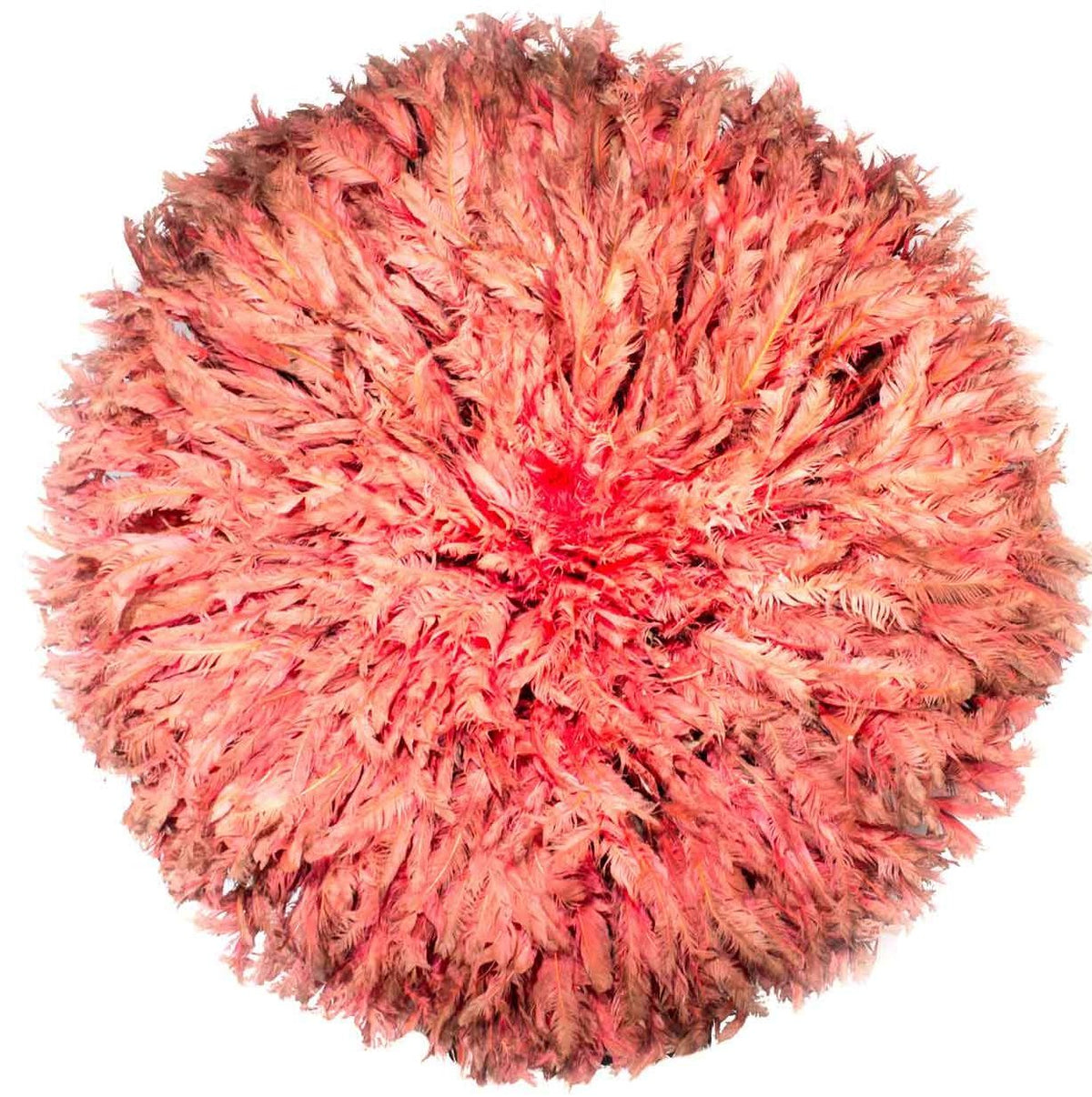
Ostrich Feathers Wall Art
Piece #D009 · Year Made: 1960
$550
Shipping individually quoted
Origin
South Africa
Period
Mid-20th Century
Medium
Genuine Ostrich Feathers and Cloth
Length
27"
Width
25"
Height
6"
Details & Materials
In the Bamileke kingdoms of Cameroon, a feathered headdress called a Juju hat is worn by chiefs, royal families, and dignitaries at ceremonies, then handed down when an elder dies along with the standing of the person who wore it. This piece carries that tradition onto the wall. Hand made in South Africa over two to three days, it is fitted one feather at a time, and unlike most Juju hats on the market it is made entirely of genuine ostrich feathers.
Hung above a bed, a mantel, or a sofa, it reads as sculpture: a full circle of soft texture that catches light and shadow differently across the day.
- Condition: Excellent, not previously owned, undamaged
- Sourcing: Fair Trade
- Certificate of Authenticity: Available Upon Request
- Provenance Report: Available Upon Request
Shipping
Buy now and leave the shipping to us. At checkout you pay for the piece plus a shipping deposit. We then plan the packing for your piece and email you the remaining shipping balance. This applies to both domestic and international orders. Every shipment is tracked, and most deliveries need a signature.
- Domestic: 5-8 business days
- International: 10-14 business days
- White-glove delivery available on request
Care & Placement
Dust occasionally. Hang on the wall over your bed, mantelpiece, sofa, flat screen TV or simply an empty space on the wall.
Origin
South Africa
"When I was first exposed to African art, I felt a deep connection to it. It is hard to explain. It resonates with me spiritually."
Michael, Founder
York's Shona Gallery was the first in New York City to bring African sculpture to American collectors. Every piece in our collection is acquired directly, ensuring authenticity and fair exchange with the artists and communities who create them.
In your home
Loading the room...
Surfaces
Pedestal
Styled with and outdoors
Rooms
Animals in African Art
The Significance of Animals
In African art an animal is rarely just an animal. It can stand for a king, a clan, an ancestor or a lesson, and its meaning changes from one people to the next.
- Stands for
- Power, family, and a good harvest
- Teaches
- Right from wrong
- Seen in
- Masks, brass figures, stone and wood sculpture
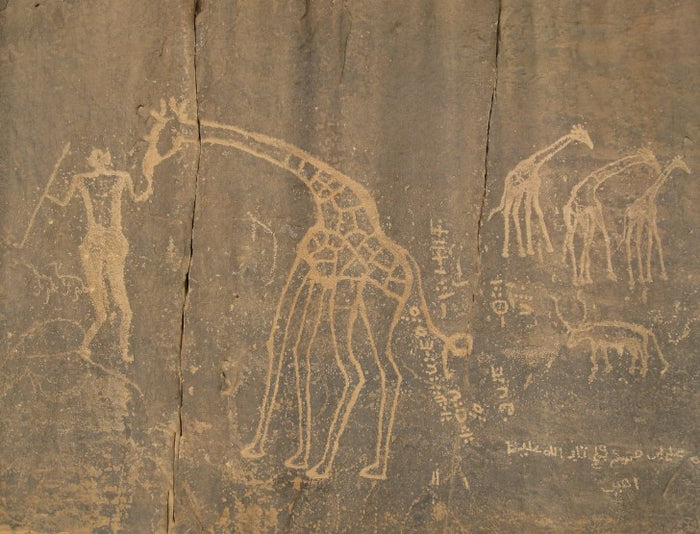
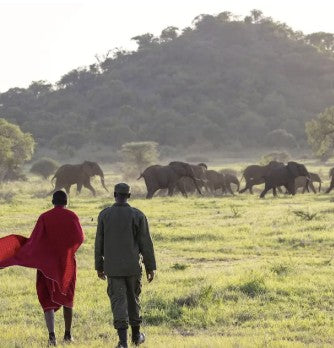
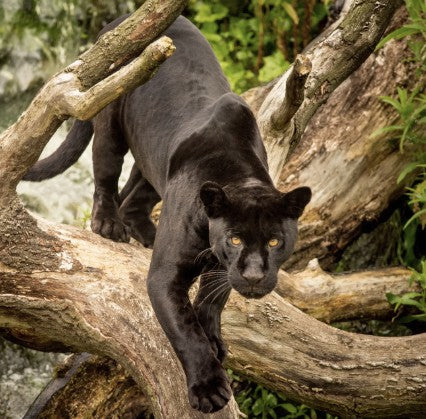
Animal symbols
Nigeria
Leopard
A symbol of the king
Cameroon
Elephant
A symbol of power
Mali
Antelope
A symbol of farming and a good harvest
Zimbabwe
Lion
A family symbol for many Shona clans
Related Pieces
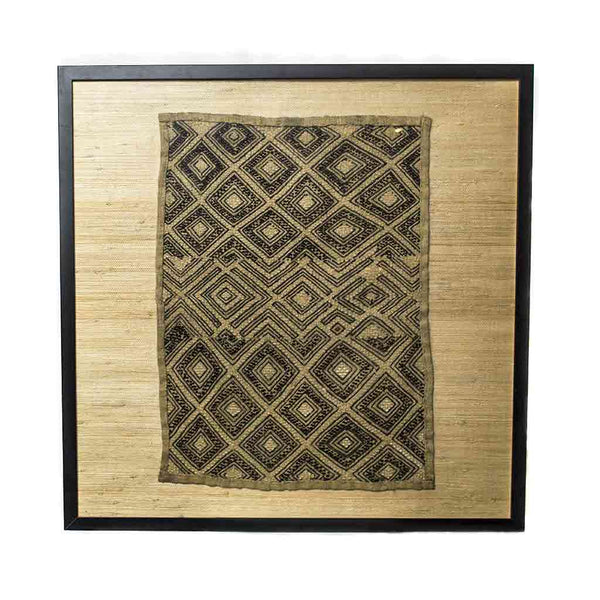
Democratic Republic of the Congo, Central Africa · Decor
Kuba Kloth
$780
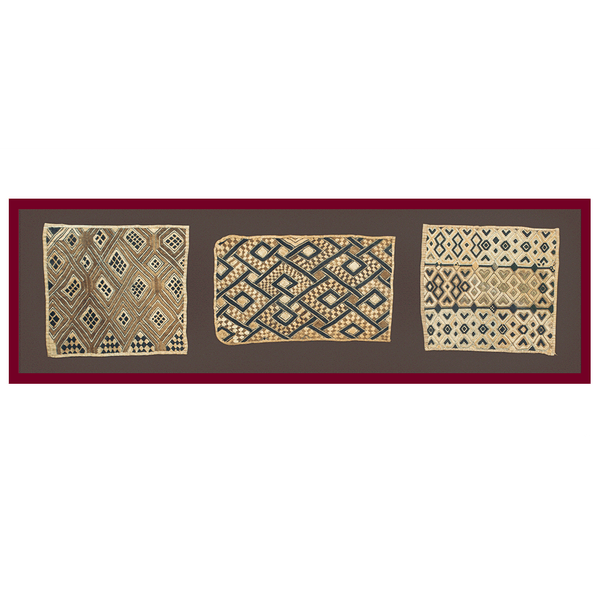
Democratic Republic of the Congo, Central Africa · Decor
Kuba Kloth Panels
$2,700
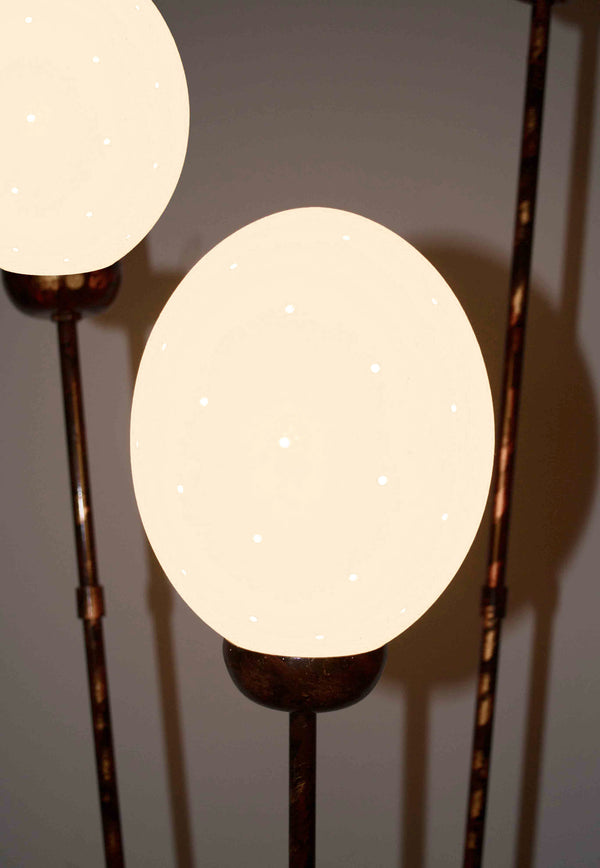
South Africa · Decor
Five Egg Ostrich Egg Lamp
$1,550

South Africa · Decor
Ostrich Egg Table Lamp
$399
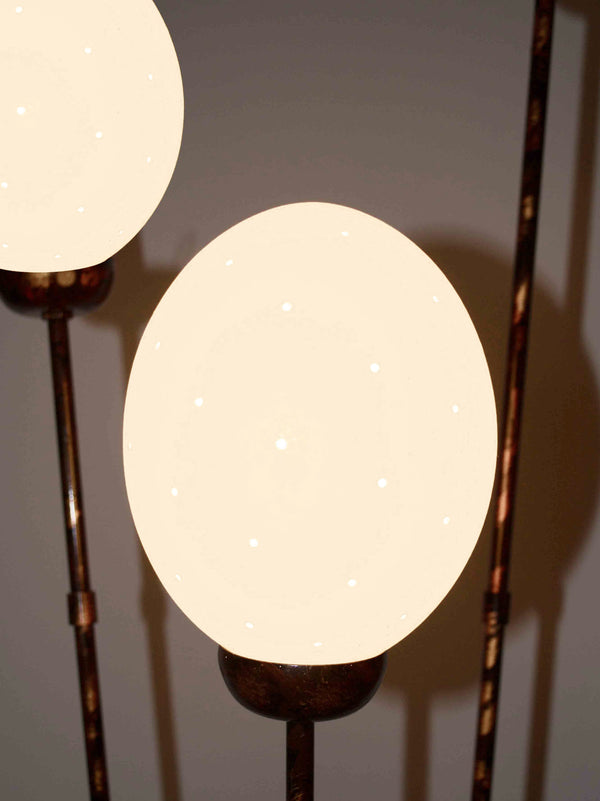
South Africa · Decor
Three Egg Ostrich Egg Lamp
$999
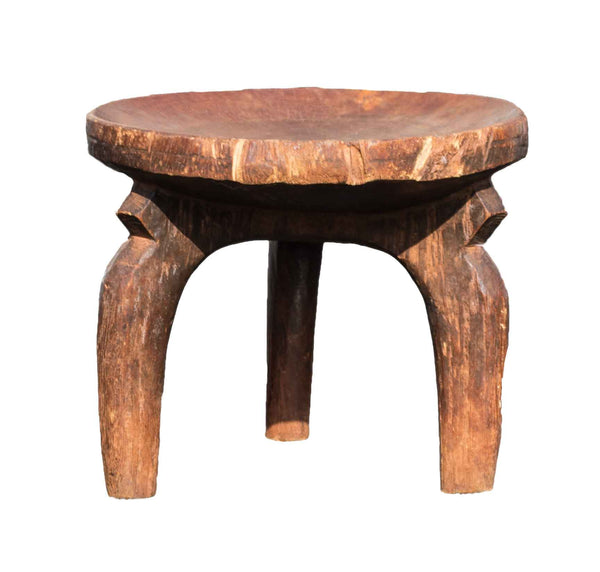
Ivory Coast, West Africa · Decor
Stool
$150
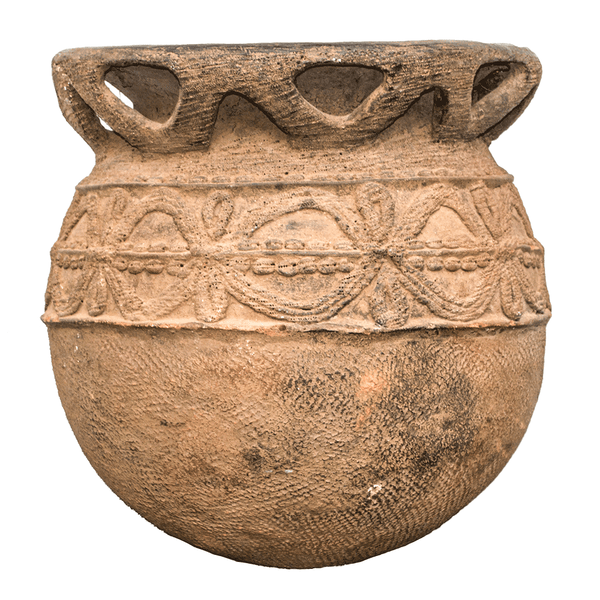
Cameroon, Central Africa · Decor
Aged Palm Wine Vessel
$2,999
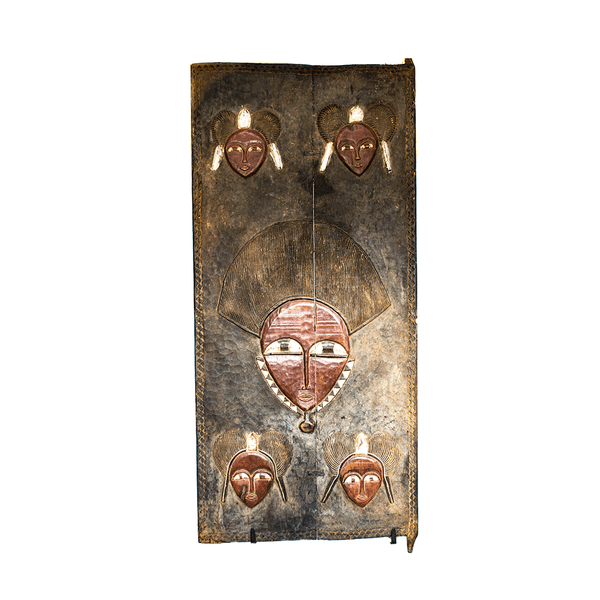
Mali, West Africa · Decor
Dogon Tribe Door
$5,400