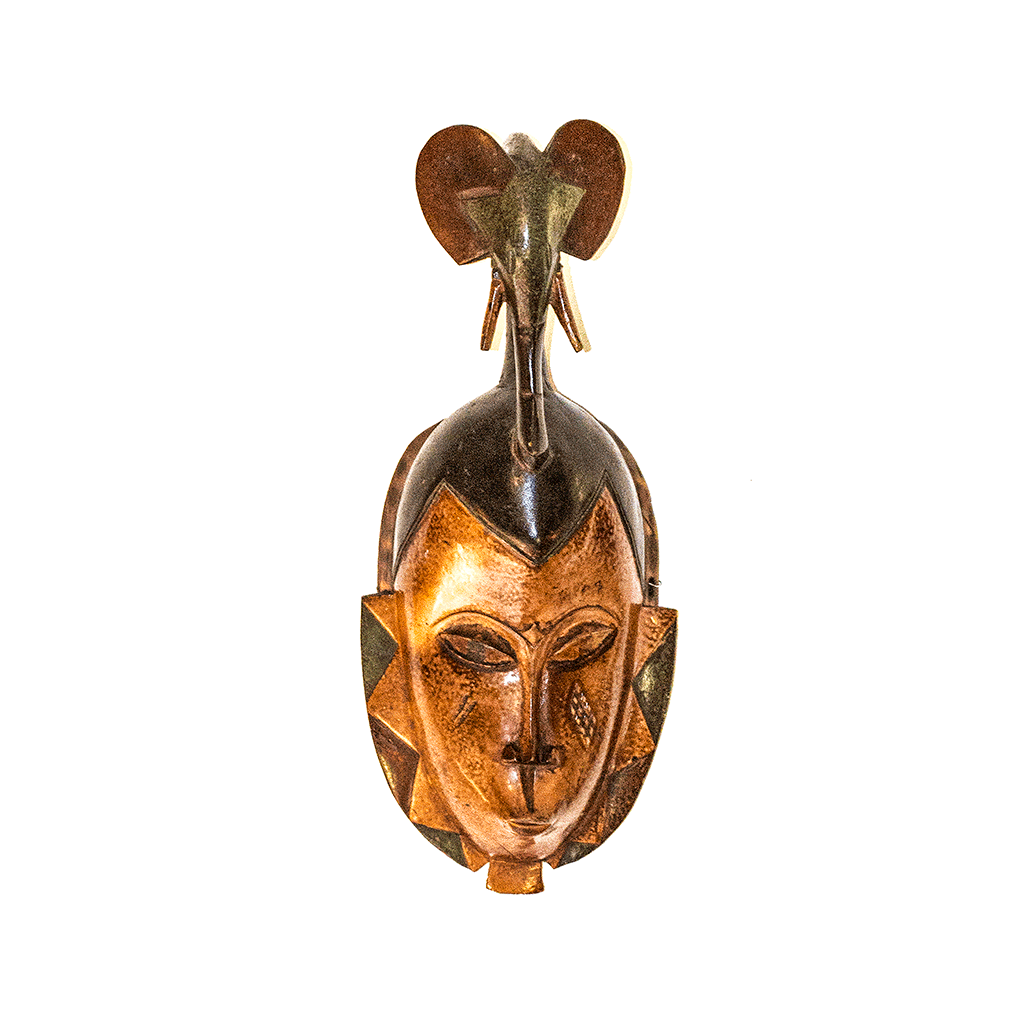
Ivory Coast, West Africa · Guro Tribe
Guro Mask
Piece #M021 · Year Made: 1992
$250
Shipping individually quoted
Origin
Ivory Coast, West Africa
Period
Late 20th Century
Medium
Hand Carved Wood
Length
16"
Width
6"
Details & Materials
York's Shona Gallery presents the "Guro Mask" by the Guro tribe of the Ivory Coast. A narrow, finely carved face with lowered eyes is crowned by curving elephant tusks, painted with deep colors against the warm copper tone of the face.
At 16" long, the mask is hand carved from wood. It was made in 1992 and shows a smooth, polished surface.
The mask represents the spirit of Gu, the wife of Zamble, a supernatural being. The elephant tusks represent spiritual power and are believed to protect the owner and the tribe.
The mask also depicts a combination of human and animal traits and imaginary beasts. It was commonly used during traditional ceremonies such as funerals, animal sacrifices and weddings. Today, the people of Ivory Coast honor their ancestors with traditional dance and the mask is worn to symbolize their remembrance of the past.
- Condition: Excellent, not previously owned, undamaged
- Sourcing: Fair Trade
- Certificate of Authenticity: Available Upon Request
- Provenance Report: Available Upon Request
Shipping
Buy now and leave the shipping to us. At checkout you pay for the piece plus a shipping deposit. We then plan the packing for your piece and email you the remaining shipping balance. This applies to both domestic and international orders. Every shipment is tracked, and most deliveries need a signature.
- Domestic: 5-8 business days
- International: 10-14 business days
- White-glove delivery available on request
Care & Placement
Dust with a soft, dry cloth. Keep it out of direct sunlight, away from radiators, dampness, and any sudden change of temperature. Do not place in extremely cold areas. It is light enough to hang on a few nails
Origin
Ivory Coast
West Africa
"When I was first exposed to African art, I felt a deep connection to it. It is hard to explain. It resonates with me spiritually."
Michael, Founder
York's Shona Gallery was the first in New York City to bring African sculpture to American collectors. Every piece in our collection is acquired directly, ensuring authenticity and fair exchange with the artists and communities who create them.
About the Tribe
Guro Tribe
Mask
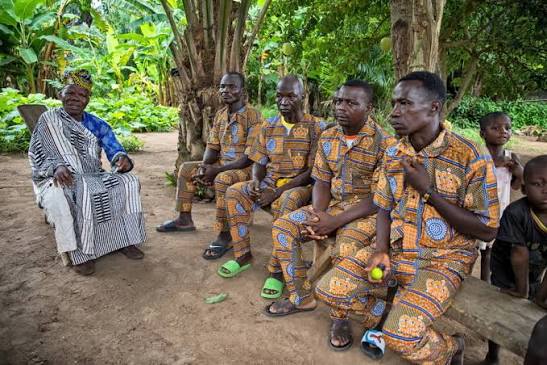
The Guro people, also called Kweni, are from the Ivory Coast in the valley regions of the Bandama River. They originated the north and northwest, driven by Mande invasions in the second half of the 18th century. From 1906-1912, they were brutally colonized by invading French colonials. The dominant Baule people of the region subsequently named them the Guro tribe. The Guro peoples are among the most prolific artists in Africa.
Villages are composed of several patrilineages, the basic social and economic units of Guro society. They are headed by their eldest members, who form a village council. In traditional Guro society there was no office of village chief, but a distinguished lineage head was recognized as preeminent; he was consulted in settling disputes and represented the village to outsiders.
The Guro retain their own religion, involving many cults and deities. An earth master makes sacrifices to the earth for the benefit of the village and its inhabitants. Each village also has a diviner who is consulted before important decisions are made.
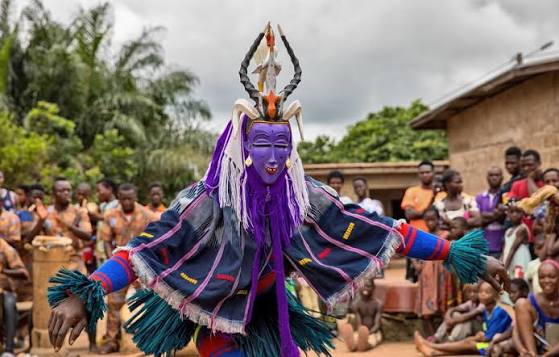
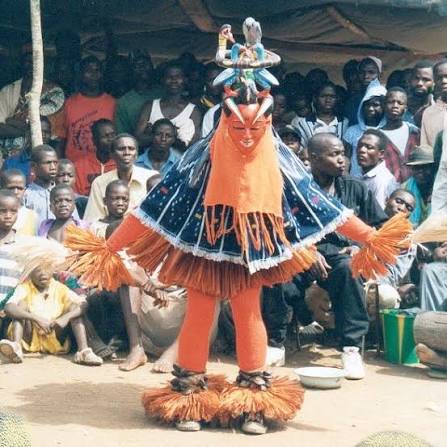
Guro masks represents the spirit of Gu, the wife of Zamble a supernatural being. Gu is often depicted as elegant, graceful, serene and beautiful. Important attributes of Guro art are: a skillful combination of human and animal forms, notable features on masks such as almond shaped eyes, rounded foreheads, finely sculptured nose and mouth with small but sprouting lips, hairdos and headdress that are delicately sculptured and elaborate, and a bright color palette coated with natural dyes.
Headdress or delicately carved hairstyles indicate that the being represented in its art form does not carry heavy objects on its head-- in African tradition, this indicates wealth and prosperity.
Sacred masks are used and honored during sacrificial gatherings, funerals, and celebrations. They honor protective spirits called "zuzu" and these spirits were housed in shrines.
In your home
Loading the room...
Surfaces
Pedestal
Styled with and outdoors
Rooms
The Tradition
Masks of Africa
An African mask is made to be worn and danced. With a costume, music and movement, the carved face becomes a spirit or an ancestor, present for a time among the living.
- Worn at
- Funerals, harvests and initiations
- Made from
- Wood, often with paint, clay, fiber, cloth, shells or metal
- Made for
- Ceremony, dance and storytelling
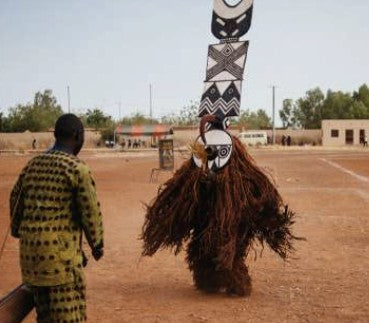
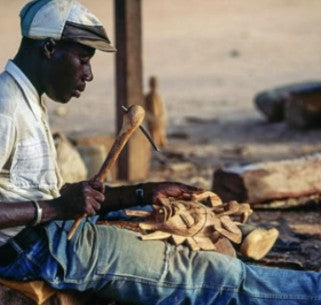
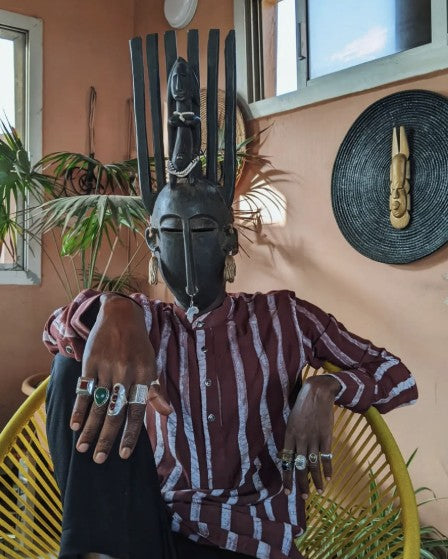
Some masks in our collection
Burkina Faso
Mossi
Tall masks with an antelope face and a plank above, tied to a clan and its founding animal
Burkina Faso
Bwa
Painted plank masks that show flying spirits, danced at funerals, harvests and initiations
Mali
Dogon
Danced at the dama, the ceremony that ends mourning and guides the dead to become ancestors
Gabon and Cameroon
Fang
Long pale faces made for the ngil society, which once acted as police and judges
Liberia and Ivory Coast
Dan
Masks that give form to forest spirits, with each performer called to his mask in a dream
Ivory Coast
Guro
Finely carved faces, often crowned with horns or a crest
Gabon and Congo
Kwele
Heart shaped faces with narrow eyes, carved to bring well being to the village
Ivory Coast and Ghana
Nafana
Large painted Bedu plank masks, danced during the Bedu festival
Related Pieces
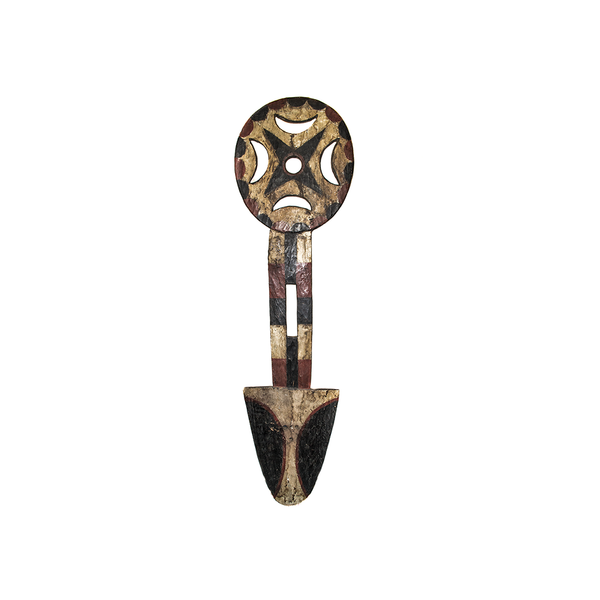
Ivory Coast, West Africa · Mask
Bedu Mask
$3,795
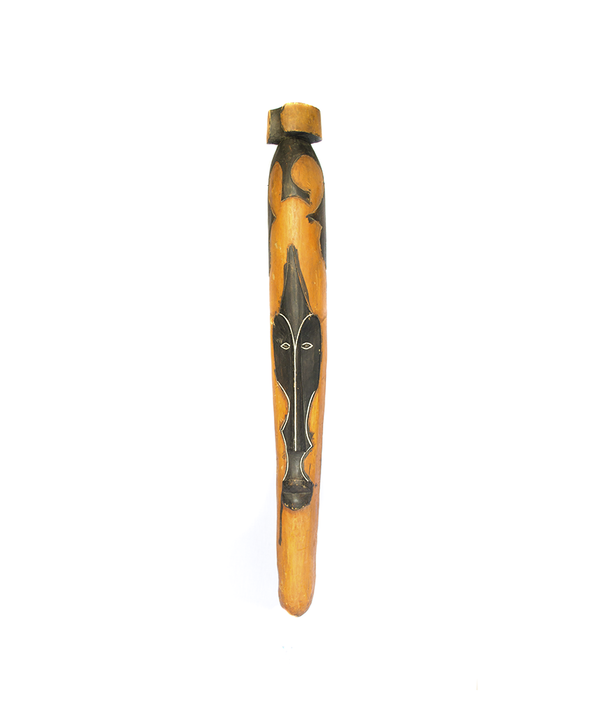
Cameroon, Central Africa · Mask
Fang Mask
$250
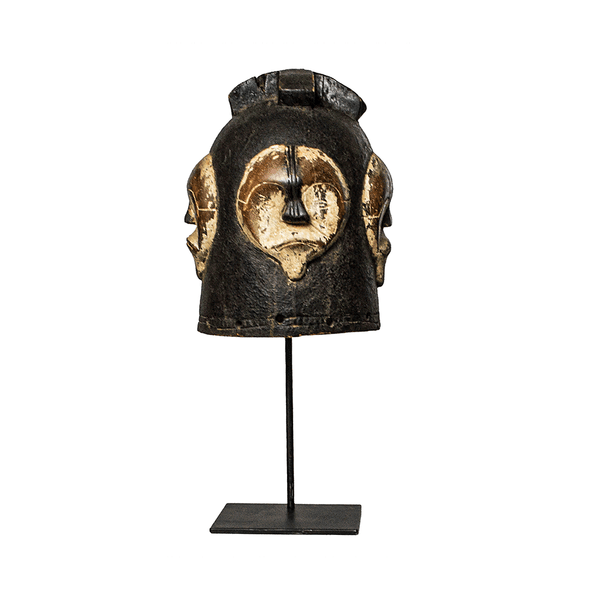
Cameroon, Central Africa · Mask
Helmet Mask
$650
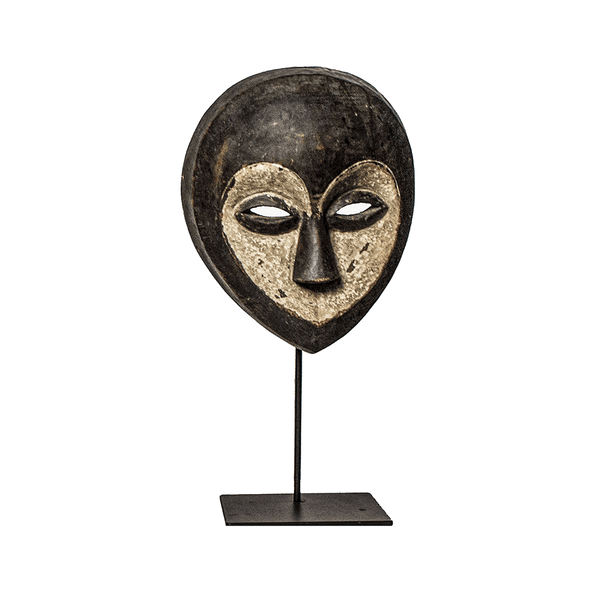
Cameroon, Central Africa · Mask
Kwele Mask
$450
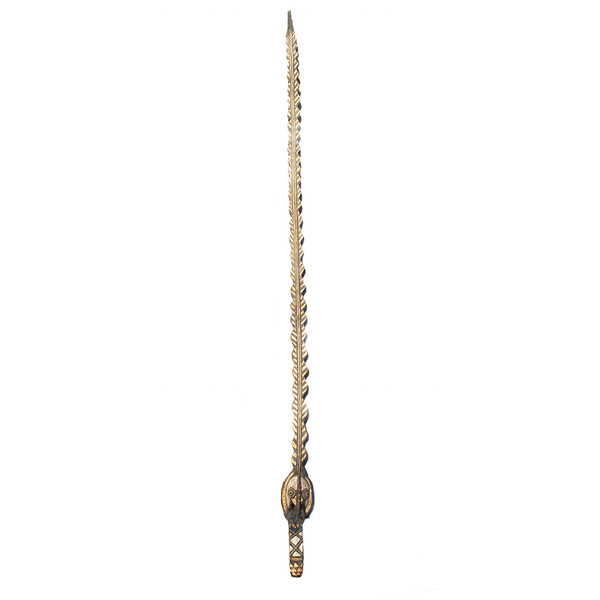
Burkina Faso, West Africa · Mask
Large Mossi Tribe Mask
$9,995
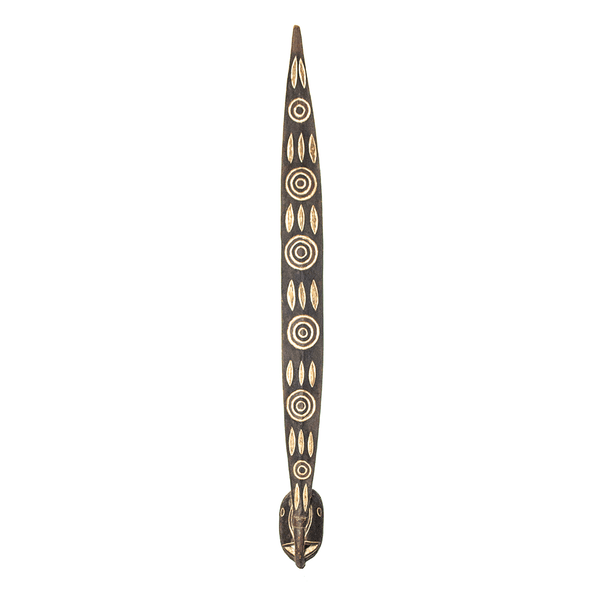
Burkina Faso, West Africa · Mask
Mask
$1,650
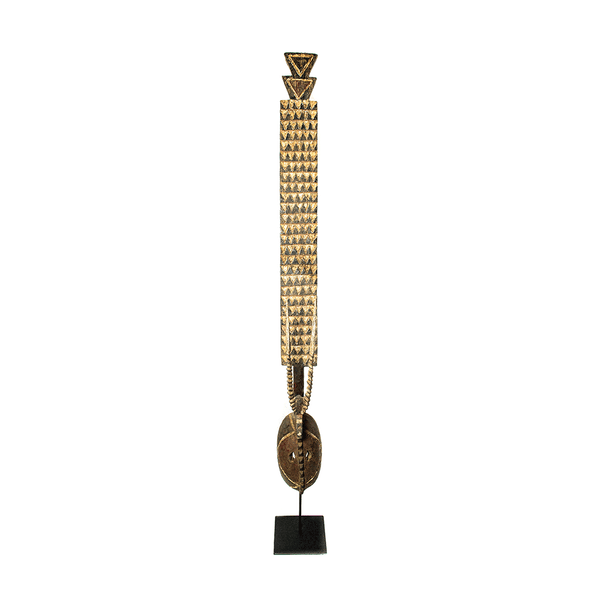
Burkina Faso, West Africa · Mask
Mossi Tribe Mask
$1,850
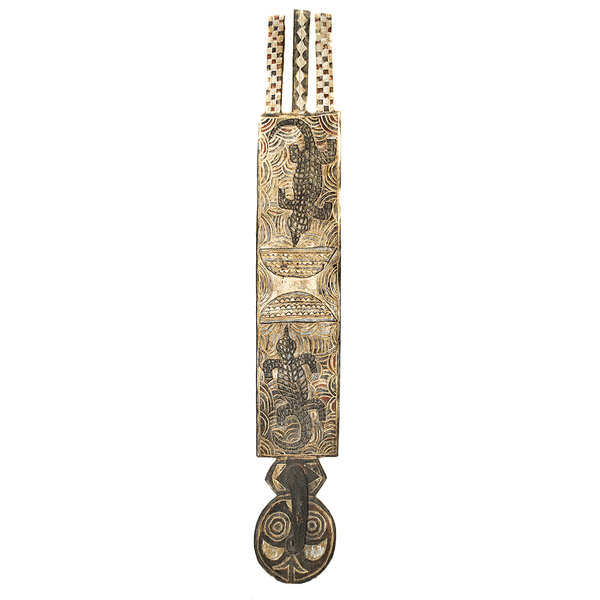
Burkina Faso, West Africa · Mask
Plank Mask
$2,250