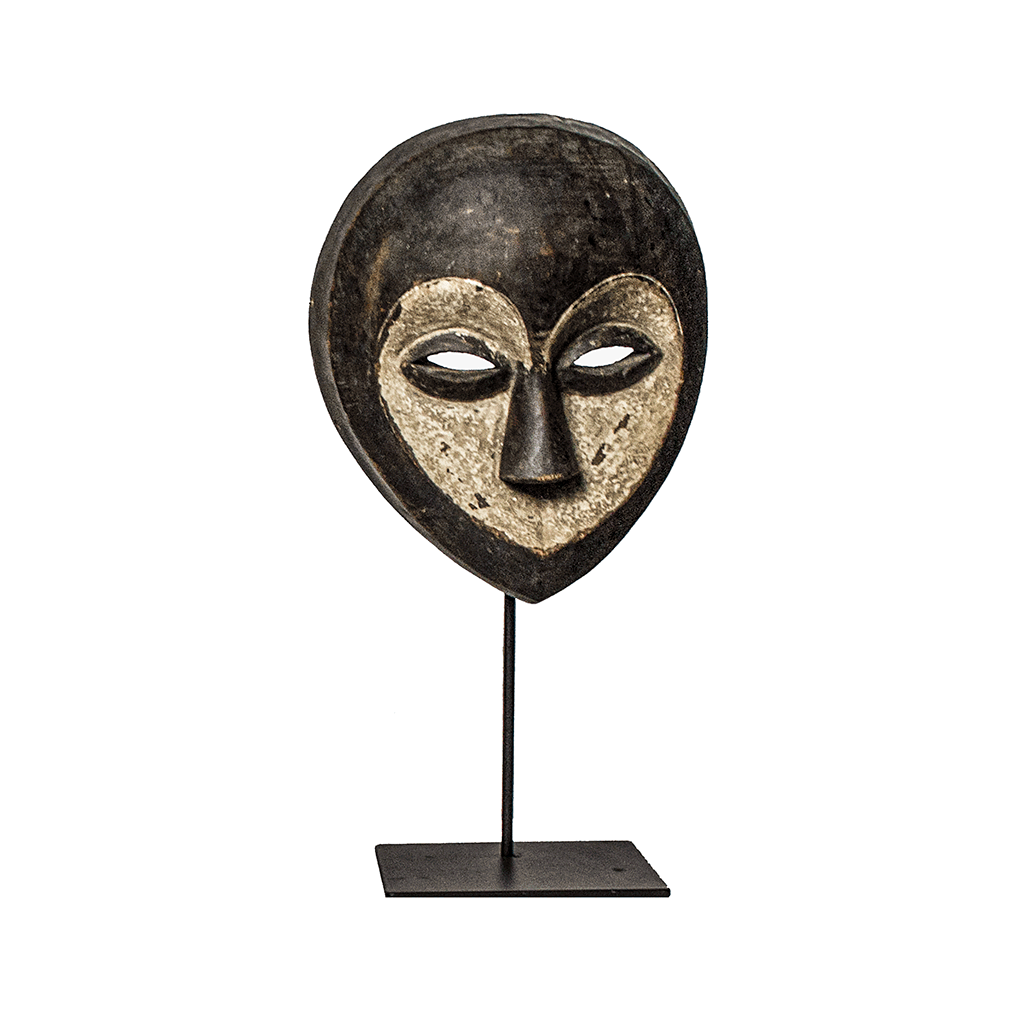
Cameroon, Central Africa · Kwele Tribe
Kwele Mask
Piece #M015 · Year Made: 1967
$450
Shipping individually quoted
Origin
Cameroon, Central Africa
Period
Mid-20th Century
Medium
Hand Carved Wood
Length
9"
Width
5"
Height
11"
Details & Materials
York's Shona Gallery presents the "Kwele Mask" by the Kwele tribe of Cameroon. It features a recessed, heart-shaped face that frames narrow eyes and a triangular nose, finished in white kaolin against a dark, aged patina. Kwele masks are used in ceremonies to promote well-being and community.
At 11" tall, the mask is hand carved from wood and was made in 1967. It is lightweight and can be mounted on the wall or displayed on the custom mask stand included with your purchase.
- Condition: Excellent, not previously owned, undamaged
- Sourcing: Fair Trade
- Certificate of Authenticity: Available Upon Request
- Provenance Report: Available Upon Request
Shipping
Buy now and leave the shipping to us. At checkout you pay for the piece plus a shipping deposit. We then plan the packing for your piece and email you the remaining shipping balance. This applies to both domestic and international orders. Every shipment is tracked, and most deliveries need a signature.
- Domestic: 5-8 business days
- International: 10-14 business days
- White-glove delivery available on request
Care & Placement
Dust with a soft, dry cloth. Keep it out of direct sunlight, away from radiators, dampness, and any sudden change of temperature. Do not place in extremely cold areas. It is light enough to hang on a few nails, or stand it on the stand included
Origin
Cameroon
Central Africa
"When I was first exposed to African art, I felt a deep connection to it. It is hard to explain. It resonates with me spiritually."
Michael, Founder
York's Shona Gallery was the first in New York City to bring African sculpture to American collectors. Every piece in our collection is acquired directly, ensuring authenticity and fair exchange with the artists and communities who create them.
About the Tribe
Kwele Tribe
Mask
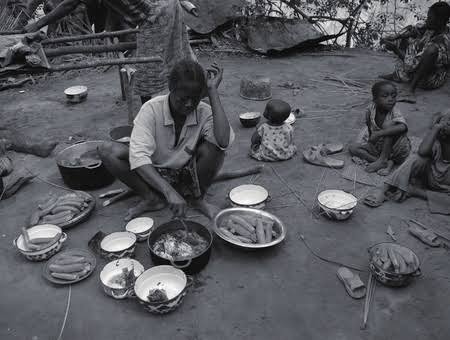
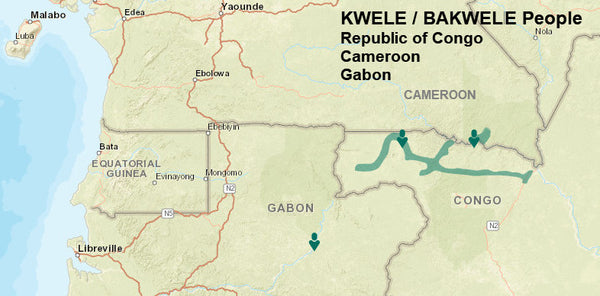
The Kwele occupy a great forest region on the borders of Gabon, Cameroon and the Republic of Congo. Their village communities comprised a number of lineages and were governed in the usual way for “headless” equatorial societies, that is in a diffuse and more or less informal manner.
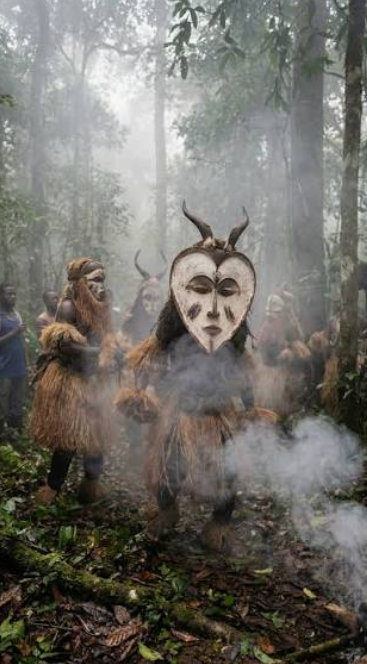
To reinforce unity, the Kwele have the beete cult. The beete ritual, which lasts for a week, would open with the departure of men into the forest to hunt antelope, whose flesh, seasoned with medicines, had to be eaten at a meal at the closing ceremony. During the hunt, women and children stayed in the village; and after one or two days, ekuk masks would leave the forest, enter the village, and invite the people to come dance and sing. Ekuk means both protective forest spirit and children of beete. It displays a flat surface and often has a heart-shaped face, a triangular nose, coffee bean eyes, and a small or non-existent mouth. Such masks represents the antelope. The faces are usually painted in white kaolin earth, a pigment associated by the Kwele with light and clarity, the two essential factors in the fight against evil.
In your home
Loading the room...
Surfaces
Pedestal
Styled with and outdoors
Rooms
The Tradition
Masks of Africa
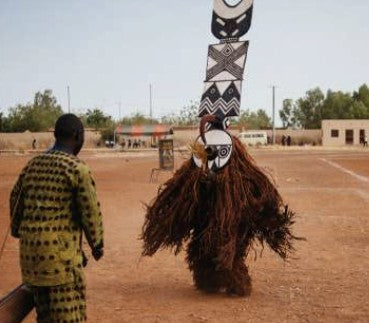
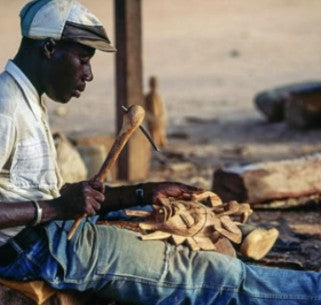
An African mask is made to be worn and danced. With a costume, music and movement, the carved face becomes a spirit or an ancestor, present for a time among the living.
- Worn at
- Funerals, harvests and initiations
- Made from
- Wood, often with paint, clay, fiber, cloth, shells or metal
- Made for
- Ceremony, dance and storytelling
Some masks in our collection
Burkina Faso
Mossi
Tall masks with an antelope face and a plank above, tied to a clan and its founding animal
Burkina Faso
Bwa
Painted plank masks that show flying spirits, danced at funerals, harvests and initiations
Mali
Dogon
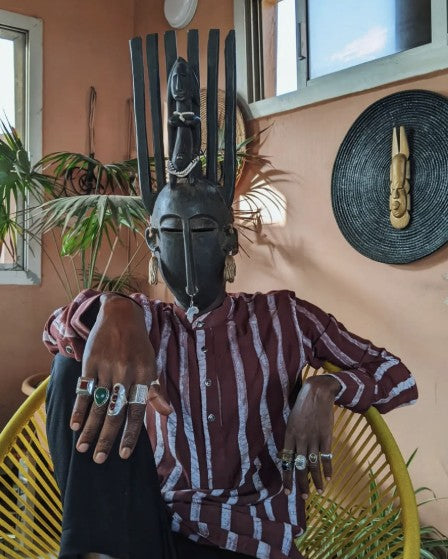
Danced at the dama, the ceremony that ends mourning and guides the dead to become ancestors
Gabon and Cameroon
Fang
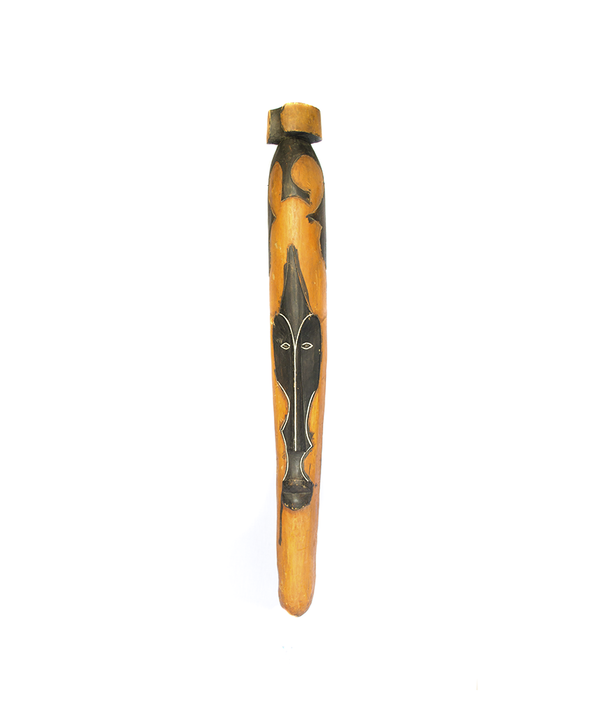
Long pale faces made for the ngil society, which once acted as police and judges
Liberia and Ivory Coast
Dan
Masks that give form to forest spirits, with each performer called to his mask in a dream
Ivory Coast
Guro
Finely carved faces, often crowned with horns or a crest
Gabon and Congo
Kwele
Heart shaped faces with narrow eyes, carved to bring well being to the village
Ivory Coast and Ghana
Nafana
Large painted Bedu plank masks, danced during the Bedu festival
Related Pieces
Cameroon, Central Africa · Mask
Fang Mask
$250
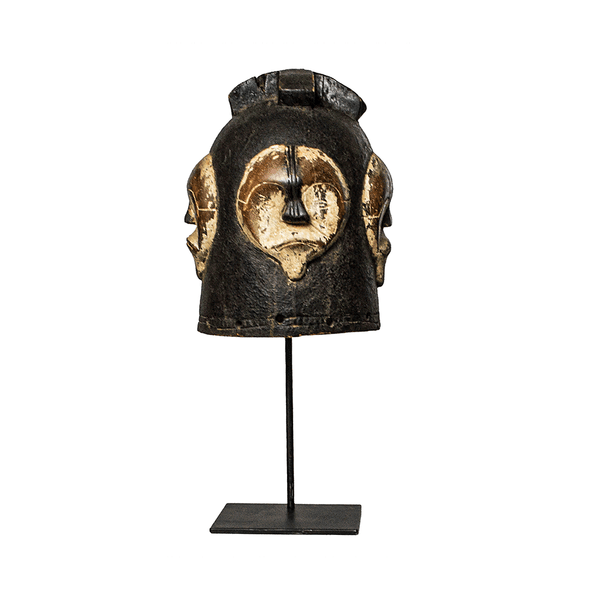
Cameroon, Central Africa · Mask
Helmet Mask
$650
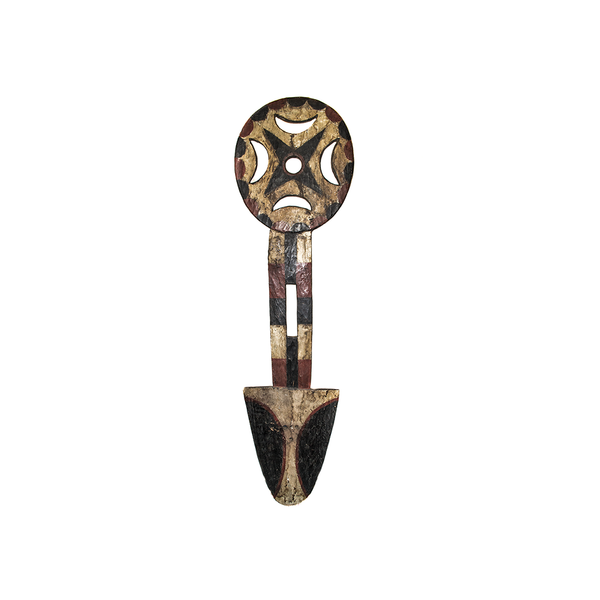
Ivory Coast, West Africa · Mask
Bedu Mask
$3,795
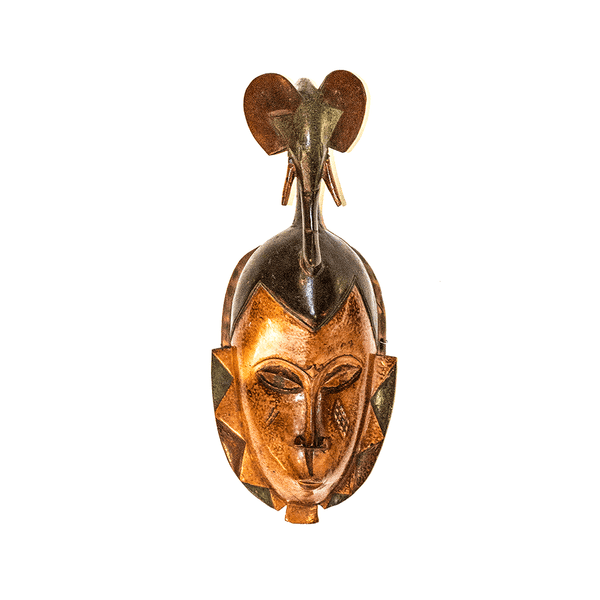
Ivory Coast, West Africa · Mask
Guro Mask
$250
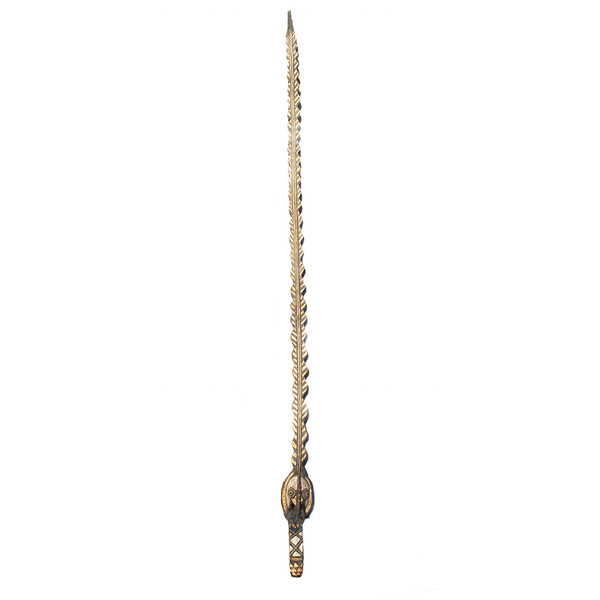
Burkina Faso, West Africa · Mask
Large Mossi Tribe Mask
$9,995
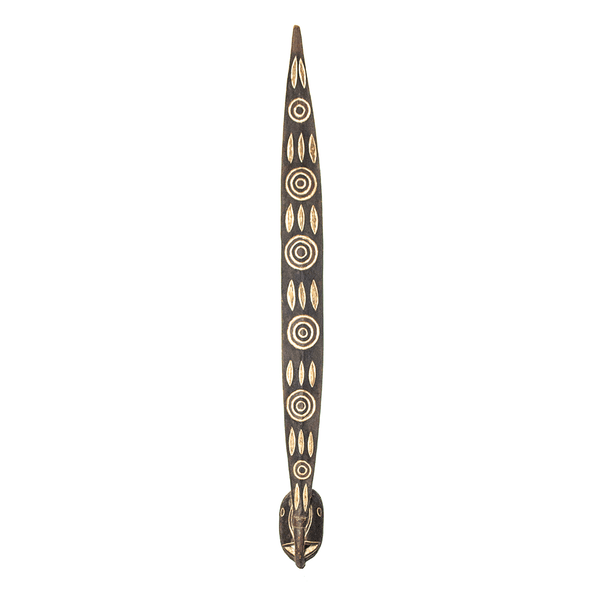
Burkina Faso, West Africa · Mask
Mask
$1,650
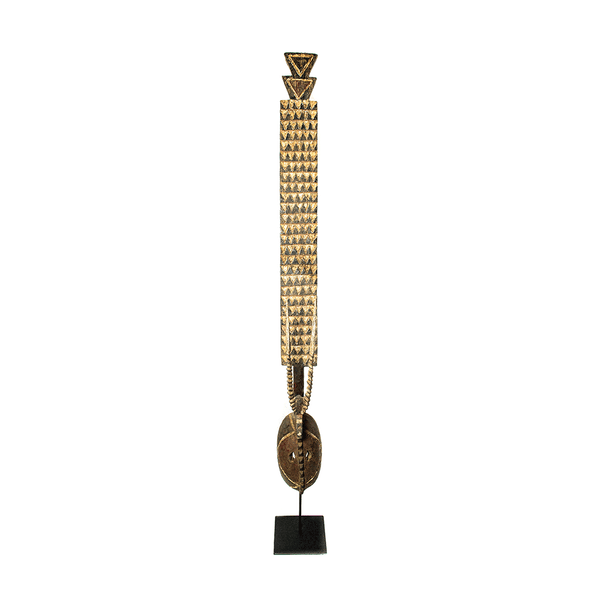
Burkina Faso, West Africa · Mask
Mossi Tribe Mask
$1,850
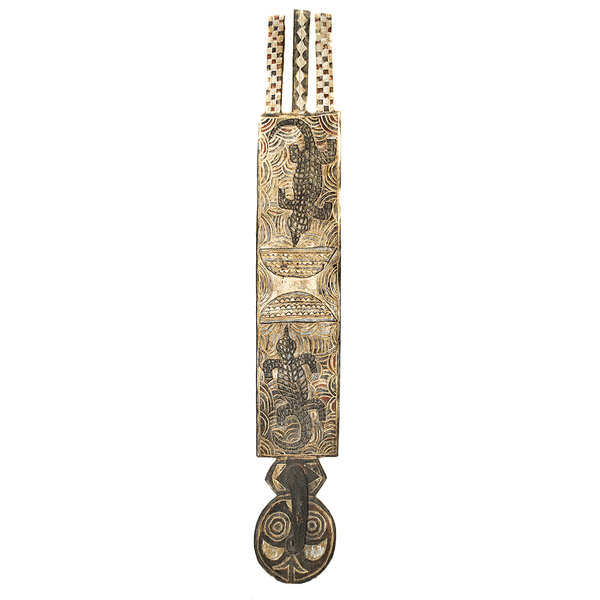
Burkina Faso, West Africa · Mask
Plank Mask
$2,250