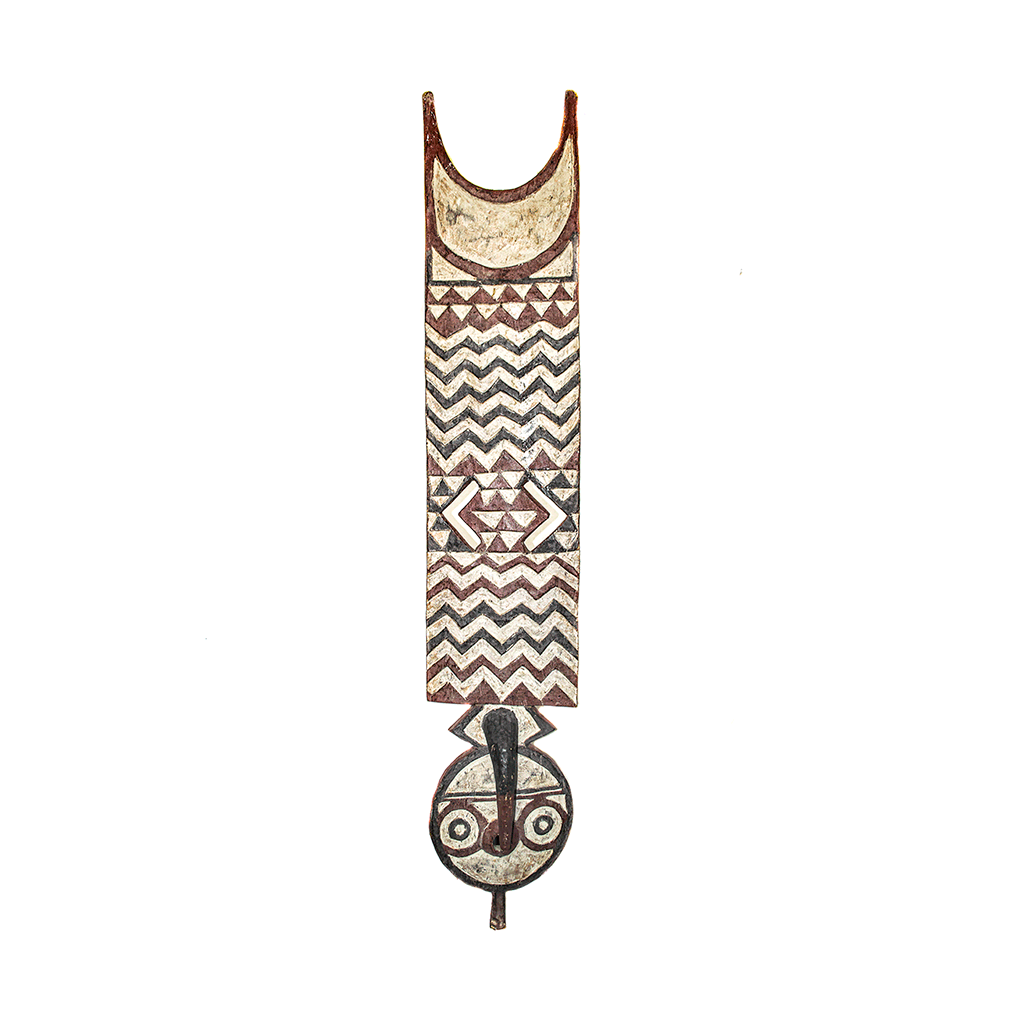
Burkina Faso, West Africa · Bwa Tribe
Plank Mask
Piece #M007 · Year Made: 1962
$2,850
Shipping individually quoted
Origin
Burkina Faso, West Africa
Period
Mid-20th Century
Medium
Hand Carved Wood
Length
14"
Width
8"
Height
82"
Details & Materials
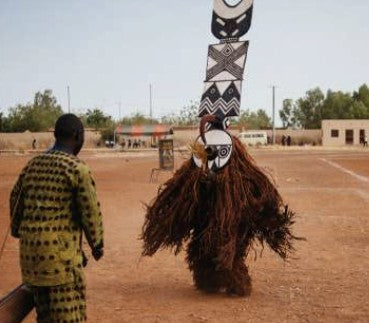
York's Shona Gallery presents the "Plank Mask.” It was made in 1962 by the Bwa tribe of Burkina Faso. It depicts a round face with concentric circle eyes, a large nose, and sits beneath a tall rectangular plank painted in red, white, and black zigzags, topped by a crescent.
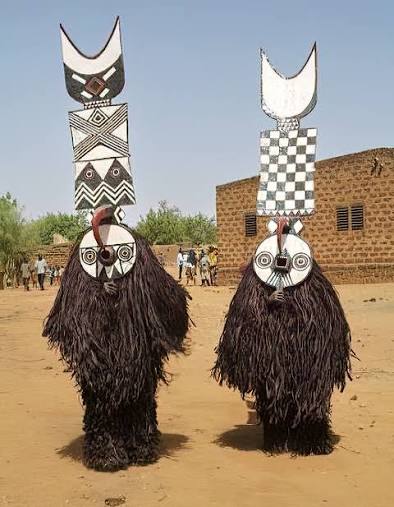
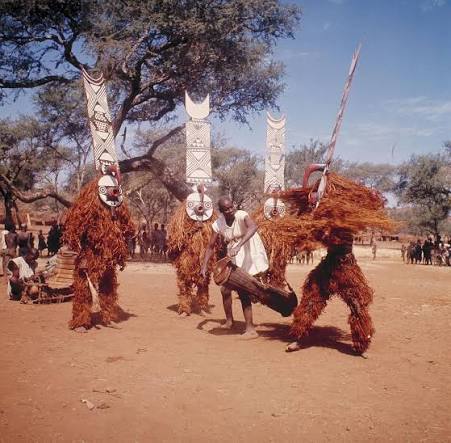
The Plank Mask appears on several occasions throughout the course of the dry season in Burkina Faso, from October through May. It appears at funerals, adulthood initiations, and market day dances in front of a large audience in the community. These are not simply decorative masks, they serve as ‘secret signs’ in a language taught to initiants as they make the transition from childhood to adulthood.
- Condition: Excellent, not previously owned, undamaged
- Sourcing: Fair Trade
- Certificate of Authenticity: Available Upon Request
- Provenance Report: Available Upon Request
Shipping
Buy now and leave the shipping to us. At checkout you pay for the piece plus a shipping deposit. We then plan the packing for your piece and email you the remaining shipping balance. This applies to both domestic and international orders. Every shipment is tracked, and most deliveries need a signature.
- Domestic: 5-8 business days
- International: 10-14 business days
- White-glove delivery available on request
Care & Placement
Dust with a soft, dry cloth. Keep it out of direct sunlight, away from radiators, dampness, and any sudden change of temperature. Do not place in extremely cold areas. It is light enough to hang on a few nails
Origin
Burkina Faso
West Africa
"When I was first exposed to African art, I felt a deep connection to it. It is hard to explain. It resonates with me spiritually."
Michael, Founder
York's Shona Gallery was the first in New York City to bring African sculpture to American collectors. Every piece in our collection is acquired directly, ensuring authenticity and fair exchange with the artists and communities who create them.
About the Tribe
Bwa Tribe
Mask
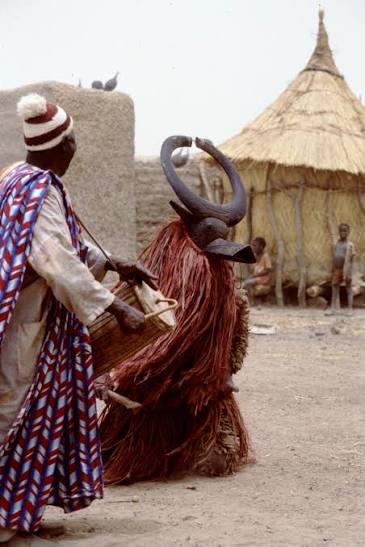
The Bwa people are from Burkina Faso. They typically make animal masks to enlist the power of the spirits who live in the forests, bush country, and rivers surrounding their villages. The masks make the spirits visible to them and put them in touch with another realm. Additionally, the masks depict spirits associated with powerful animals such as buffalo, antelopes, hawks, and fish. The masks are owned by families and clans who use them for protection. Zig-zag lines typically found in the Bwa’s artwork signify the “path of ancestors,” a moral path that is very difficult, but one every villager must follow to succeed in life. Dancing with such masks on market days, funerals, and initiation ceremonies honors the spirits and brings blessing to the community.
In your home
Loading the room...
Surfaces
Pedestal
Styled with and outdoors
Rooms
The Tradition
Masks of Africa
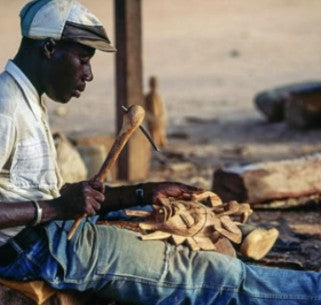
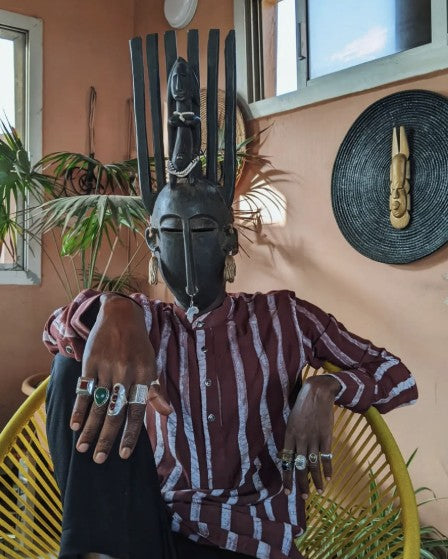
An African mask is made to be worn and danced. With a costume, music and movement, the carved face becomes a spirit or an ancestor, present for a time among the living.
- Worn at
- Funerals, harvests and initiations
- Made from
- Wood, often with paint, clay, fiber, cloth, shells or metal
- Made for
- Ceremony, dance and storytelling
Some masks in our collection
Burkina Faso
Mossi
Tall masks with an antelope face and a plank above, tied to a clan and its founding animal
Burkina Faso
Bwa
Painted plank masks that show flying spirits, danced at funerals, harvests and initiations
Mali
Dogon
Danced at the dama, the ceremony that ends mourning and guides the dead to become ancestors
Gabon and Cameroon
Fang
Long pale faces made for the ngil society, which once acted as police and judges
Liberia and Ivory Coast
Dan
Masks that give form to forest spirits, with each performer called to his mask in a dream
Ivory Coast
Guro
Finely carved faces, often crowned with horns or a crest
Gabon and Congo
Kwele
Heart shaped faces with narrow eyes, carved to bring well being to the village
Ivory Coast and Ghana
Nafana
Large painted Bedu plank masks, danced during the Bedu festival
Related Pieces
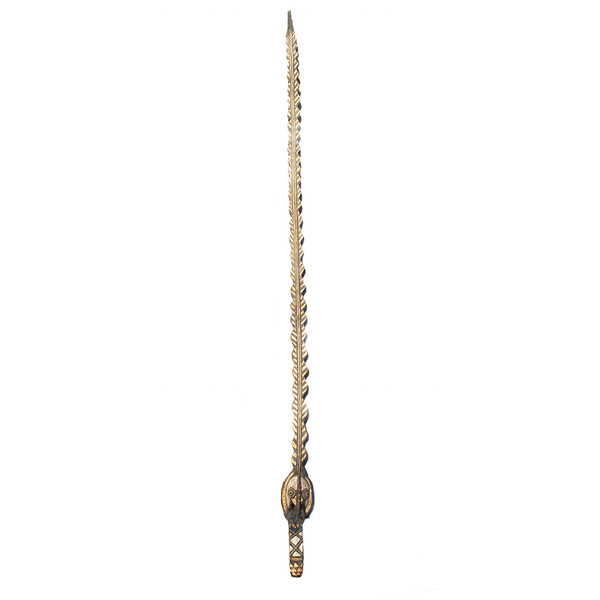
Burkina Faso, West Africa · Mask
Large Mossi Tribe Mask
$9,995
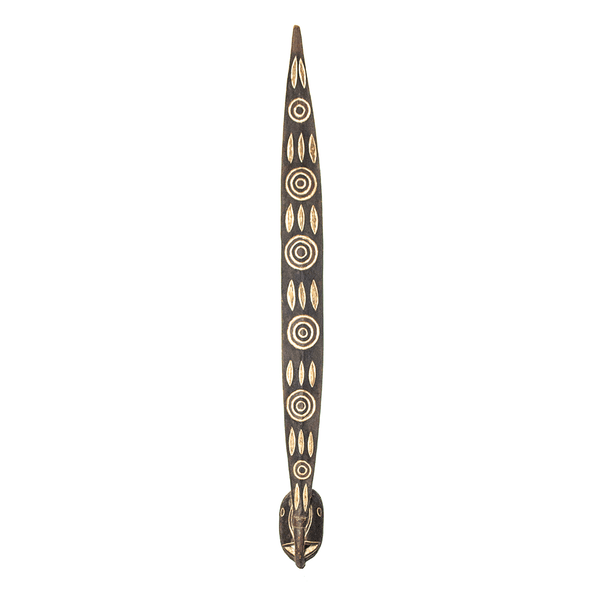
Burkina Faso, West Africa · Mask
Mask
$1,650
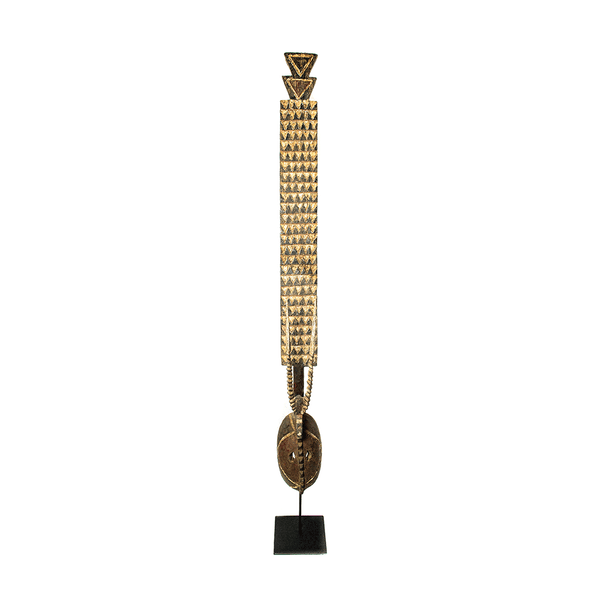
Burkina Faso, West Africa · Mask
Mossi Tribe Mask
$1,850
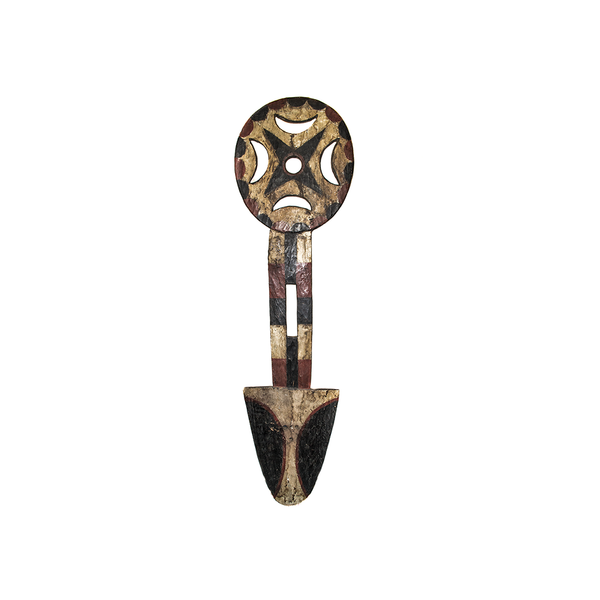
Ivory Coast, West Africa · Mask
Bedu Mask
$3,795
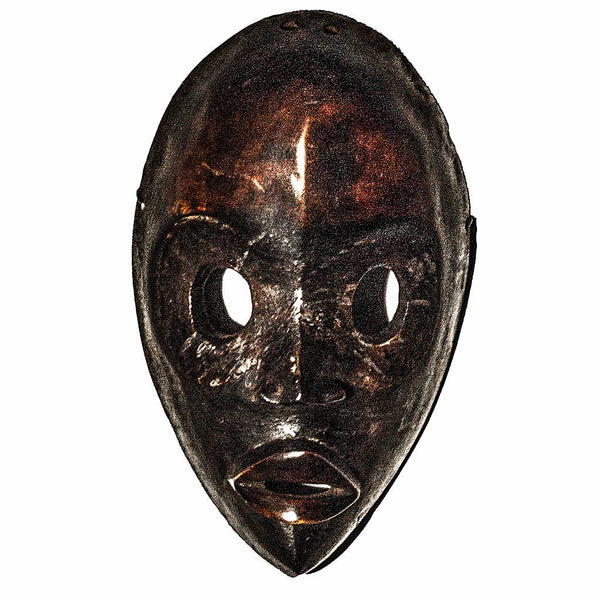
Ivory Coast, West Africa · Mask
Dan Mask
$250
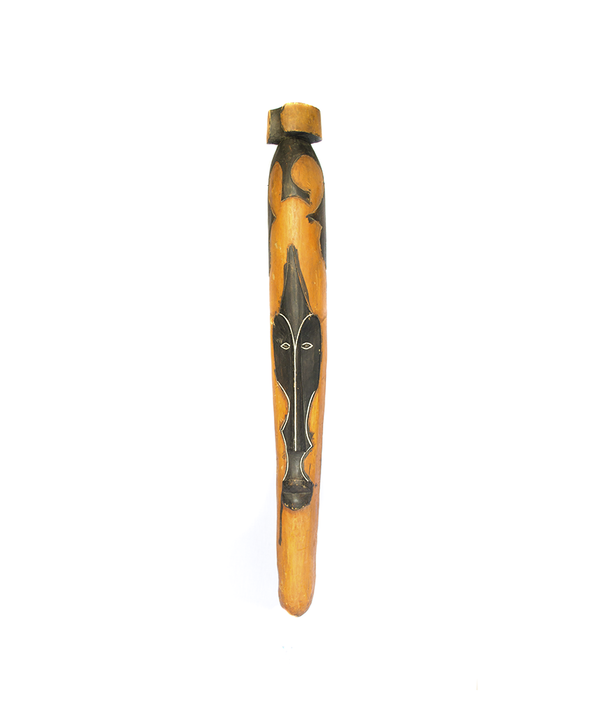
Cameroon, Central Africa · Mask
Fang Mask
$250
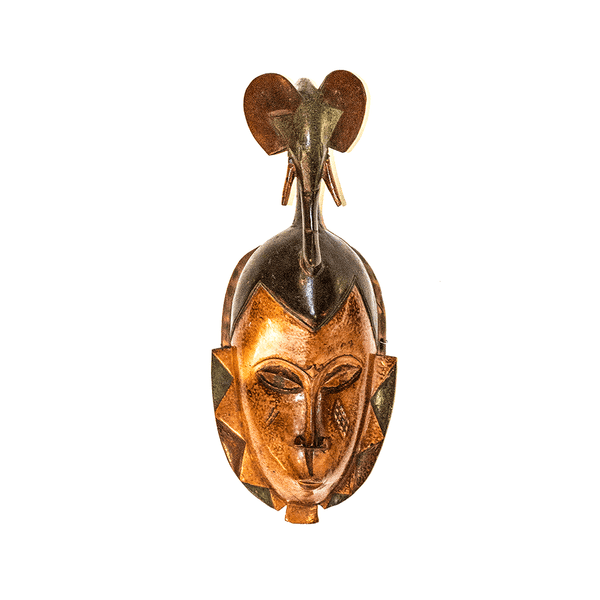
Ivory Coast, West Africa · Mask
Guro Mask
$250
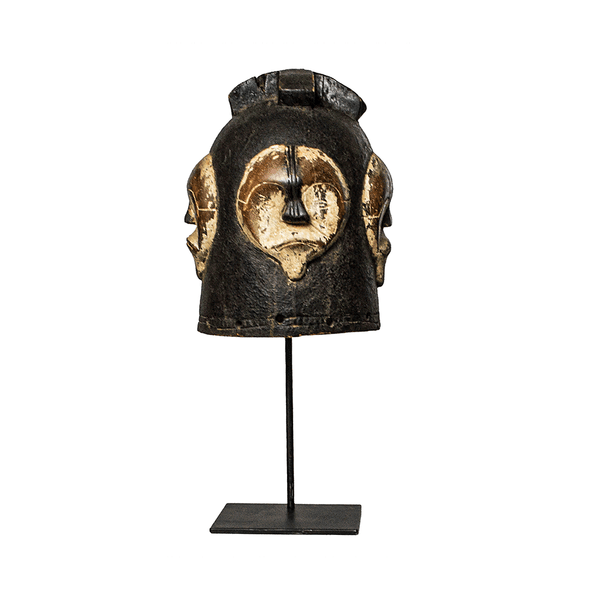
Cameroon, Central Africa · Mask
Helmet Mask
$650