“Colonial People”
$799
1 · Choose a height
2 · Choose your figure
Buy online now and we email your shipping quote after you buy
3 · Make it a group · optional
Figures bought together ship together, so you save on shipping
How a group looks at home


Tap any figure to see it large. We group figures the way they stand in our gallery: different jobs and colors, the tallest at the back
Add more figures · tap a photo to see it large, tap + to add
- Height
- Width
- Origin
- Ivory Coast, West Africa
- Period
- Carved in 1992, in the colonial-era style
- Medium
- Hand Carved Wood
Shipping
Buy now and leave the shipping to us. At checkout you pay for the piece plus a shipping deposit. We then plan the packing for your piece and email you the remaining shipping balance. This applies to both domestic and international orders. Every shipment is tracked, and most deliveries need a signature.
- Domestic: 5-8 business days
- International: 10-14 business days
- White-glove delivery available on request
Care and placement
Dust with a soft, dry cloth. Keep it out of direct sunlight, away from radiators, dampness, and any sudden change of temperature. Do not place in extremely cold areas.
Place the piece on a level surface
Something went wrong adding to your cart. Please try again
Bright coats and easy smiles
Their eyes tell a different story
At first glance, they look at peace. Shoulders back, coats buttoned, a gentle half smile. They did what was asked of them: wore the uniform, learned the language, took the job. That calm face was a kind of armor.
Under French colonial rule, people in the Ivory Coast were pushed to dress, speak, and work like the people who ruled them, just to find a place in a world built for someone else. They tended fields that were never theirs and bowed to rules they never chose. These figures wear that world: the long coat, the colonial helmet, the uniform of a foreign army.
Behind their eyes lived the weight of colonial rule, the pride they kept quiet, and the sadness they carried to work each morning. Look longer and you can see the pain in their eyes, the forced smile, the hands held still in pockets. Fitting in meant hiding who they were, and the artists made sure you could still see it.
Today art historians study these figures, and museums in Europe and the United States keep them in their collections. Experts still debate whether the first ones were made to mock colonial rule, for sacred use, or simply to record a changing world. Each one here was carved and painted by hand in the Ivory Coast, from 3 ft to 7 ft tall. Only a few remain. Bring one home and you bring both: the polished surface and the truth underneath.
Origin
Ivory Coast
West Africa
"When I was first exposed to African art, I felt a deep connection to it. It is hard to explain. It resonates with me spiritually."
Michael, Founder
York's Shona Gallery was the first in New York City to bring African sculpture to American collectors. Every piece in our collection is acquired directly, ensuring authenticity and fair exchange with the artists and communities who create them.
In your home
Loading the room...
Surfaces
Pedestal
Styled with and outdoors
Rooms
The Tradition
African Wood Carving
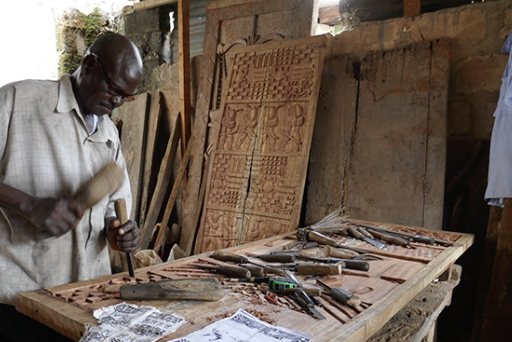
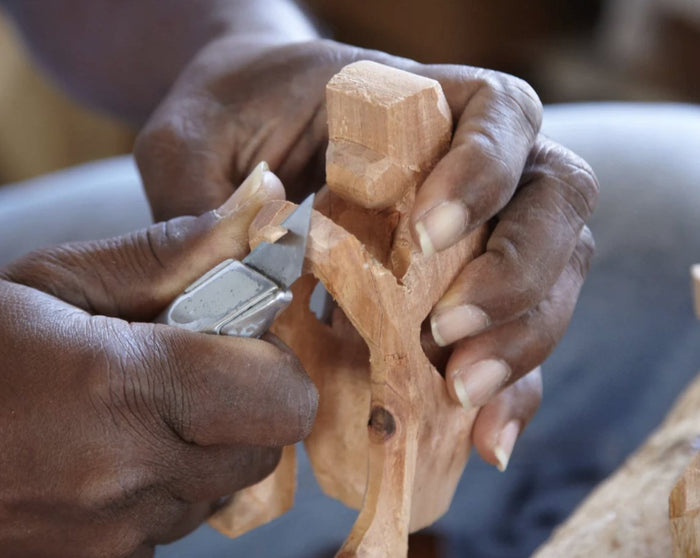
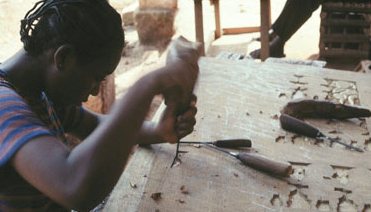
Wood has long been the great sculptural material of Africa. Carved from a single trunk, each piece carries the grain of the living tree and the marks of the hands and tools that shaped it.
- Wood
- Ebony, teak, jarrah, cherry and local hardwoods
- Made
- By hand, from a single block
- Tools
- Adze, knife and chisel
- Made for
- Ceremony, decoration and storytelling
The woods we carry
Ebony wood
A dense, heavy wood that grows slowly, with an almost black heart and pale outer wood from the same log that carvers often use together in one piece
Teak wood
A strong hardwood of warm golden brown, resistant to weather, that deepens in tone with age
Jarrah wood
A very dense, deep red hardwood that darkens to a rich reddish brown as it ages
Cherry wood
A wood with a fine, even grain and a warm reddish tone that grows richer the longer it is exposed to light
Related Pieces
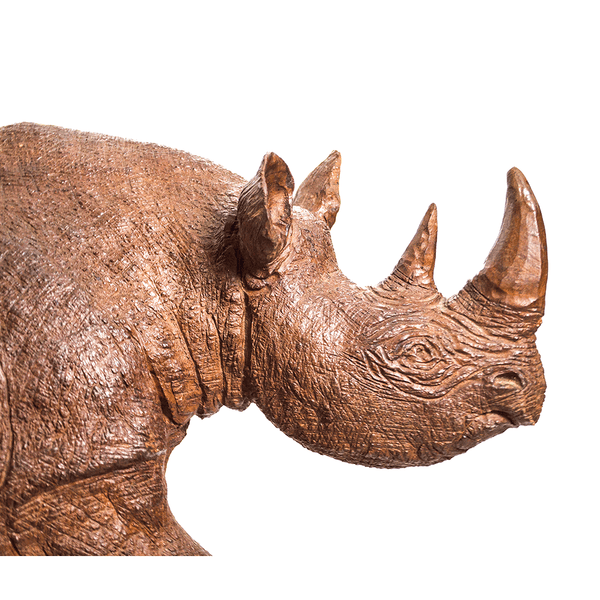
Kenya, East Africa · Wood Sculpture
Aged Wood Rhino
$3,999
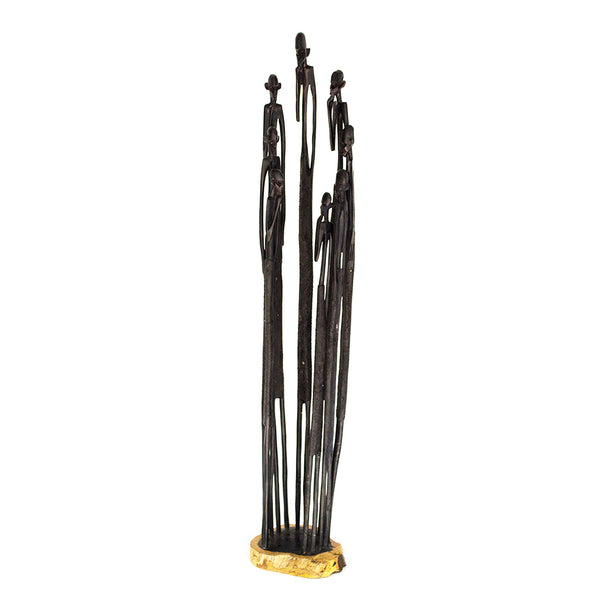
Kenya, East Africa · Wood Sculpture
Tall Masaai Figures
$3,200
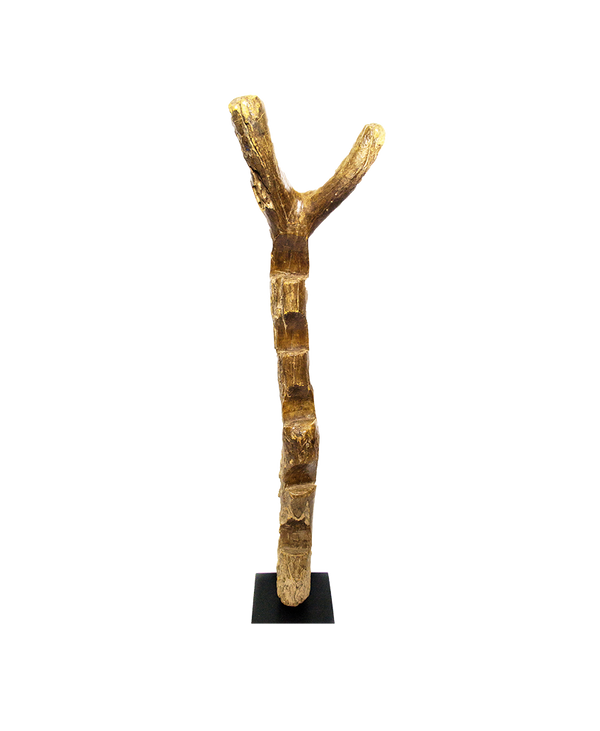
Mali, West Africa · Wood Sculpture
Dogon Ladder
$3,199
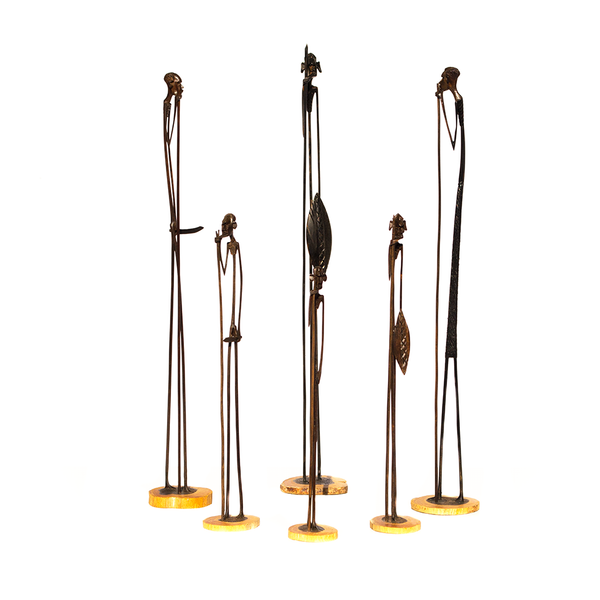
Kenya, East Africa · Wood Sculpture
Masaai Warriors
$159
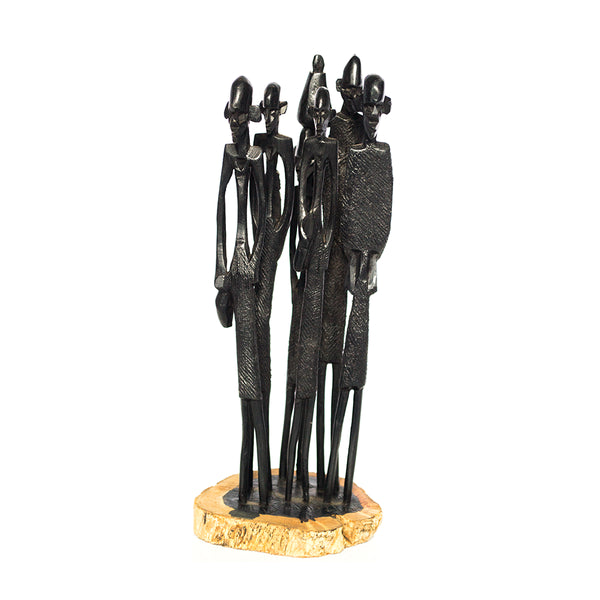
Kenya, East Africa · Wood Sculpture
Masaai Family
$400
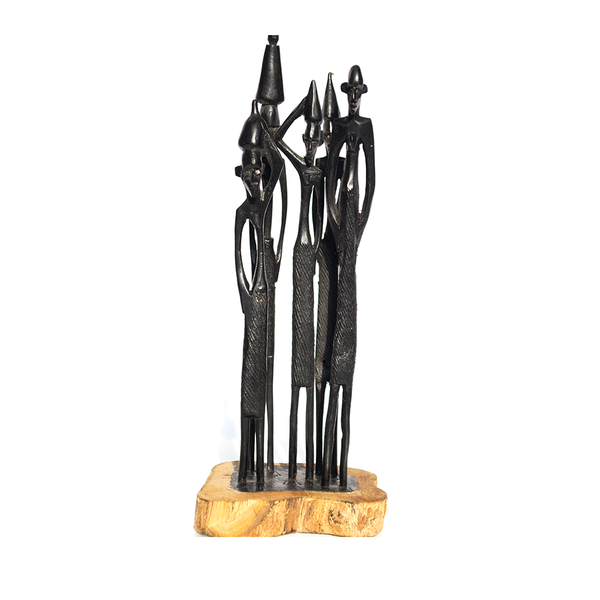
Kenya, East Africa · Wood Sculpture
Masaai People
$425
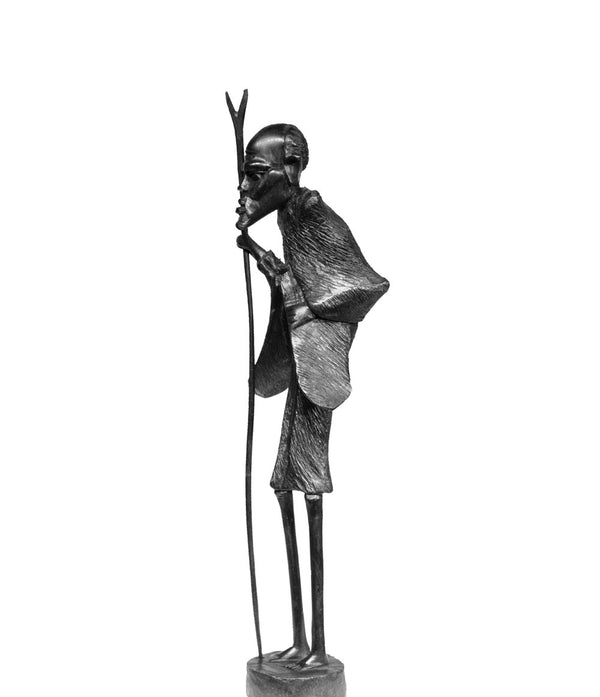
Kenya, East Africa · Wood Sculpture
Masaai Old Man
$275
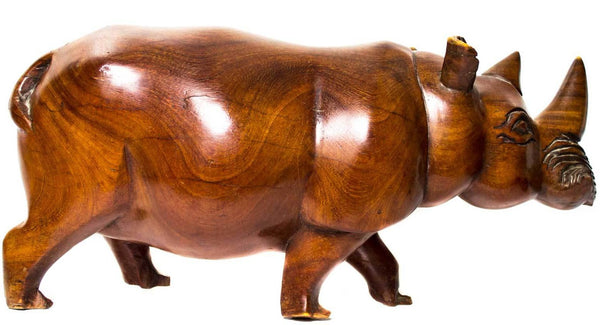
Malawi, Southern Africa · Wood Sculpture
Teak Rhino
$3,499