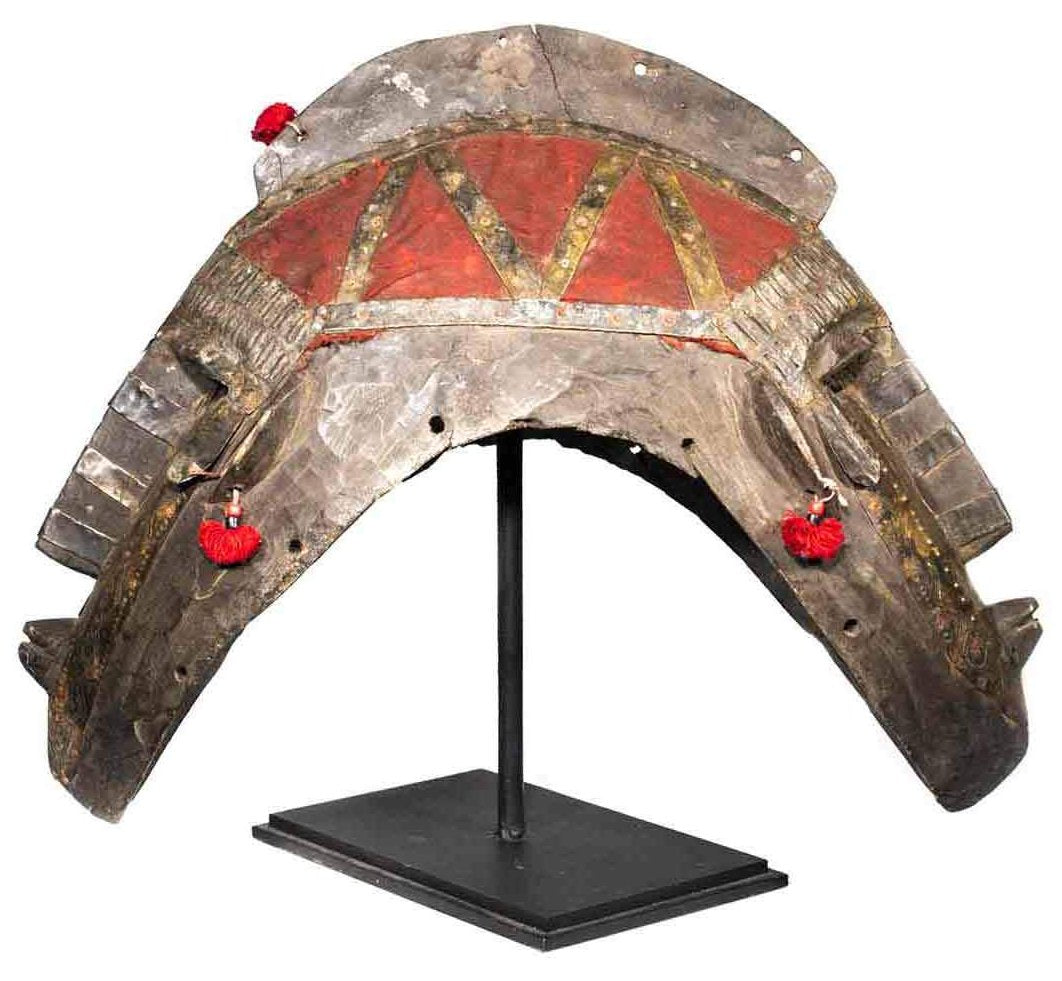
Mali, West Africa · Dogon Tribe
Dogon Mask
Piece #M017 · Year Made: 1947
$2,550
Shipping individually quoted
Origin
Mali, West Africa
Period
Mid-20th Century
Medium
Hand Carved Wood, Metal, and Cloth
Length
18"
Width
11"
Height
16"
Details & Materials
York's Shona Gallery presents the "Dogon Mask" by the Dogon tribe of Mali. This mystical, multi-textured mask is not to be overlooked. It was hand crafted from wood, metal, and cloth in 1948 by the Dogon peoples of Mali, in West Africa. At first glance, one sees a single mask with two faces on either side, connected by a vertical ridge in the center. The faces are long, sharp, and angular punctuated with bright ornate earrings.
What does this mean to the Dogon peoples, who have a long standing history of creating some of the most elaborate artifacts in West Africa? In Dogon styles, color and texture are very important. The texture of most pieces are rough and powerful looking. Many artworks have geometric shapes such as circles and triangles, as seen on the faces of the mask.
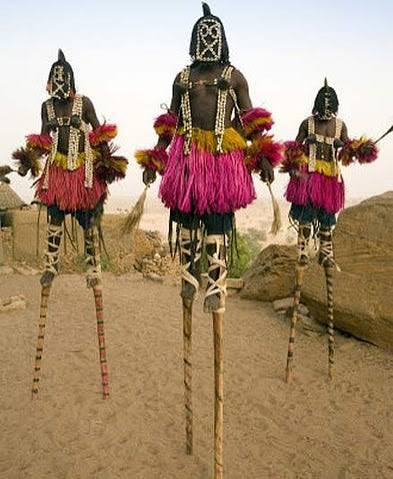
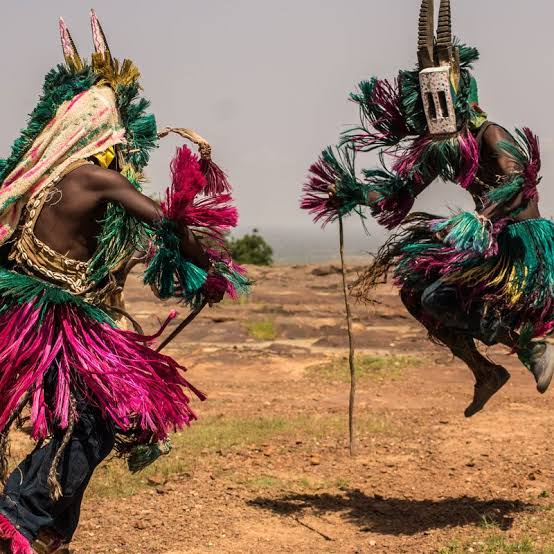
Dogon masks primarily serve a religious purpose because of the ceremonies for which they are used. Masks give a spiritual sense of pride to their ancestors, while protecting the people of the tribe from danger. Dogon people believe in reverence: remember, respecting, and honoring the dead is very essential to their culture.
This mask not only is a one of a kind Dogon artifact, but evokes a sense of regality to your home. It comes complete with a custom mask stand, and does not require any assembly.
- Condition: Excellent, not previously owned, undamaged
- Sourcing: Fair Trade
- Certificate of Authenticity: Available Upon Request
- Provenance Report: Available Upon Request
Shipping
Buy now and leave the shipping to us. At checkout you pay for the piece plus a shipping deposit. We then plan the packing for your piece and email you the remaining shipping balance. This applies to both domestic and international orders. Every shipment is tracked, and most deliveries need a signature.
- Domestic: 5-8 business days
- International: 10-14 business days
- White-glove delivery available on request
Care & Placement
Dust with a soft, dry cloth. Keep it out of direct sunlight, away from radiators, dampness, and any sudden change of temperature. Do not place in extremely cold areas. Display it on the stand included. It is carved to sit over the head, so it does not lie flat against a wall
Origin
Mali
West Africa
"When I was first exposed to African art, I felt a deep connection to it. It is hard to explain. It resonates with me spiritually."
Michael, Founder
York's Shona Gallery was the first in New York City to bring African sculpture to American collectors. Every piece in our collection is acquired directly, ensuring authenticity and fair exchange with the artists and communities who create them.
About the Tribe
Dogon Tribe
Mask
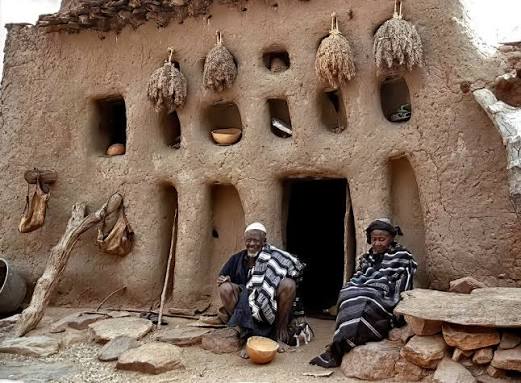
The Dogon are an ancient group from Mali in West Africa. They are said to be of Egyptian decent and their astronomical lore goes back thousands of years to 3200 BC. The Dogon people believe they are the living conduit between heaven and Earth and to possess not only knowledge of the cosmos, but of man’s true origins.
For centuries the Dogon successfully managed to remain isolated from neighboring influences as well as from capture by Islamic slave traders. Their cultural, oral and written history stayed miraculously intact. There is much debate surrounding the subject of astrophysical claims the Dogon knew prior to the modern science world.
Social stratification among the Dogon involves a complex ordering of individuals based on their position within various social groups defined either by descent or locality. Groupings include clan, village, patria-lineage, and, for men, an age-set or -grade.
Each of these groups is hierarchically ordered based on age and the rules of descent, and all of the group levels interact with one another, so that one who is generally well respected within the family will most likely hold an important position within society.
Dogon religion is defined primarily through the worshiping of the ancestors and the spirits whom they encountered as they moved across the Western Sudan. The Awa society is responsible for carrying out the rituals, which allow the deceased to leave the world of the living and enter the world of the dead.
Public rites include funerary rites (bago bundo) and the dama ceremony, which marks the end of the mourning period. Awa society members are also responsible for planning the sigui ceremonies, which commence every sixty years to hand on the function of the dead initiates to the new recruits.
The rites involve masking traditions and are carried out only by initiated males who have learned the techniques needed to impersonate the supernaturals, or spirits. The leader of the Awa society is the olaburu who is a master of the language of the bush (sigi so). The society is divided in accordance with age-grades, ignoring traditional lineage and hierarchical ordering within the village.
The Dogon are best known for their extensive carving of masks and wooden figurative art. The primary colors used by the Dogon are usually red, black, and white, and popular patterns include spirals and checkerboard motifs, both of which can be traced to their origin stories.
In your home
Loading the room...
Surfaces
Pedestal
Styled with and outdoors
Rooms
The Tradition
Masks of Africa
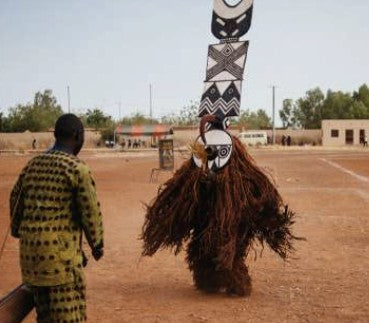
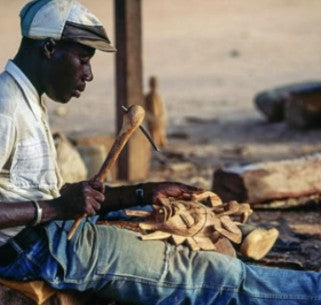
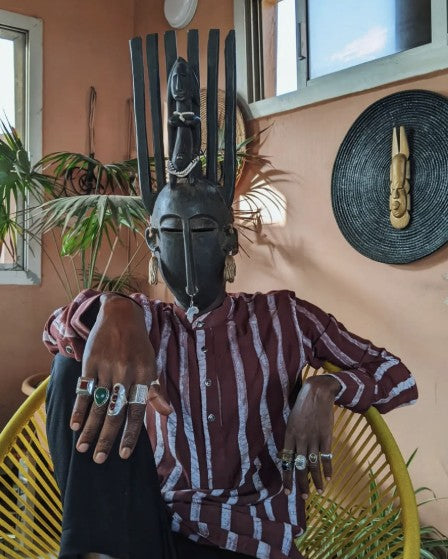
An African mask is made to be worn and danced. With a costume, music and movement, the carved face becomes a spirit or an ancestor, present for a time among the living.
- Worn at
- Funerals, harvests and initiations
- Made from
- Wood, often with paint, clay, fiber, cloth, shells or metal
- Made for
- Ceremony, dance and storytelling
Some masks in our collection
Burkina Faso
Mossi
Tall masks with an antelope face and a plank above, tied to a clan and its founding animal
Burkina Faso
Bwa
Painted plank masks that show flying spirits, danced at funerals, harvests and initiations
Mali
Dogon
Danced at the dama, the ceremony that ends mourning and guides the dead to become ancestors
Gabon and Cameroon
Fang
Long pale faces made for the ngil society, which once acted as police and judges
Liberia and Ivory Coast
Dan
Masks that give form to forest spirits, with each performer called to his mask in a dream
Ivory Coast
Guro
Finely carved faces, often crowned with horns or a crest
Gabon and Congo
Kwele
Heart shaped faces with narrow eyes, carved to bring well being to the village
Ivory Coast and Ghana
Nafana
Large painted Bedu plank masks, danced during the Bedu festival
Related Pieces
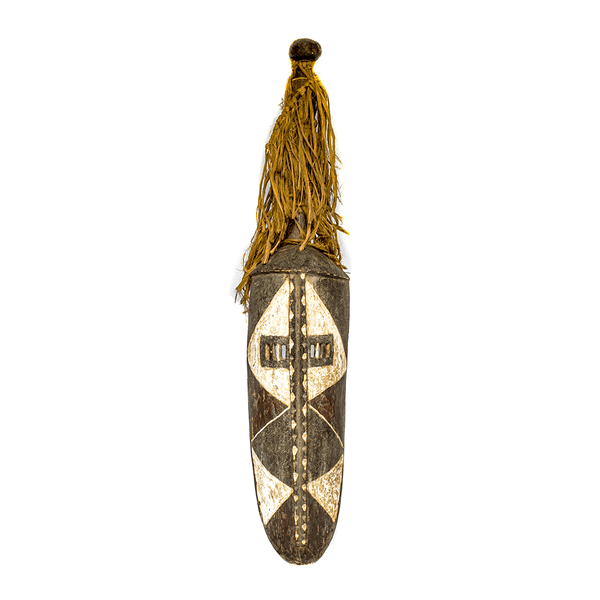
Burkina Faso, West Africa · Mask
Mask
$1,850
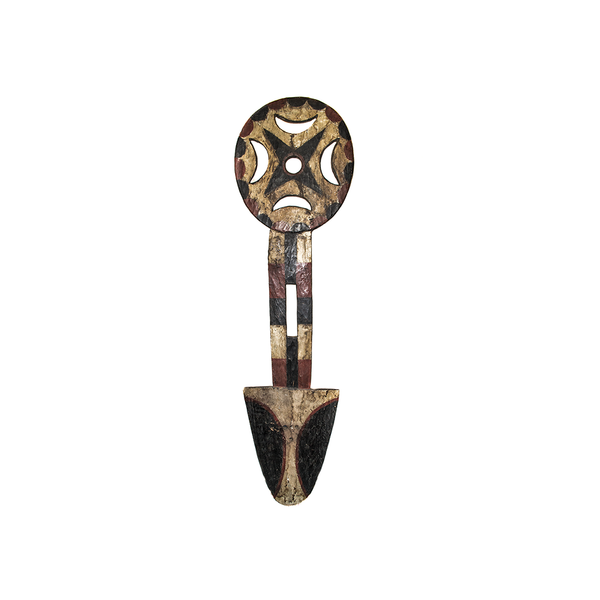
Ivory Coast, West Africa · Mask
Bedu Mask
$3,795
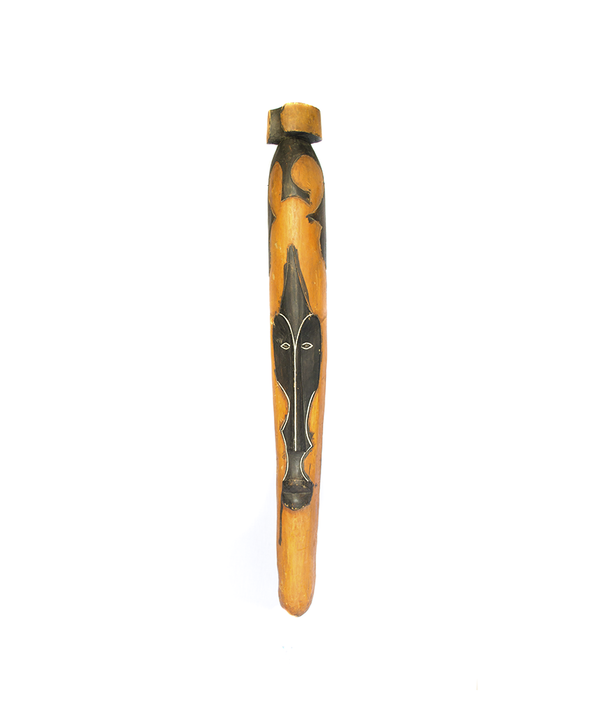
Cameroon, Central Africa · Mask
Fang Mask
$250
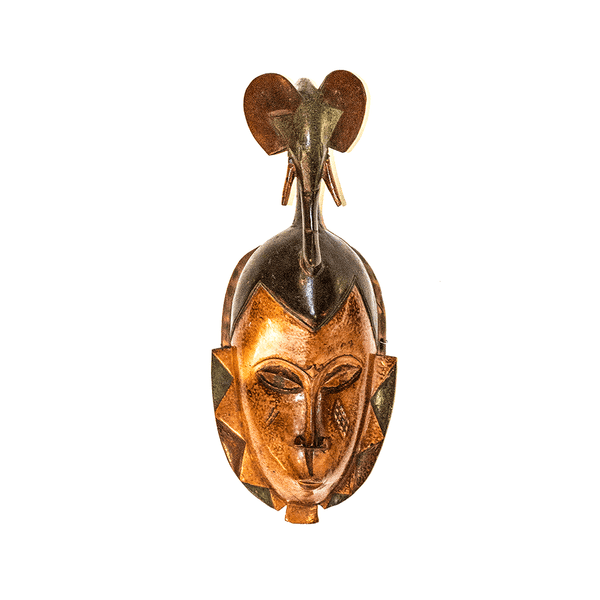
Ivory Coast, West Africa · Mask
Guro Mask
$250
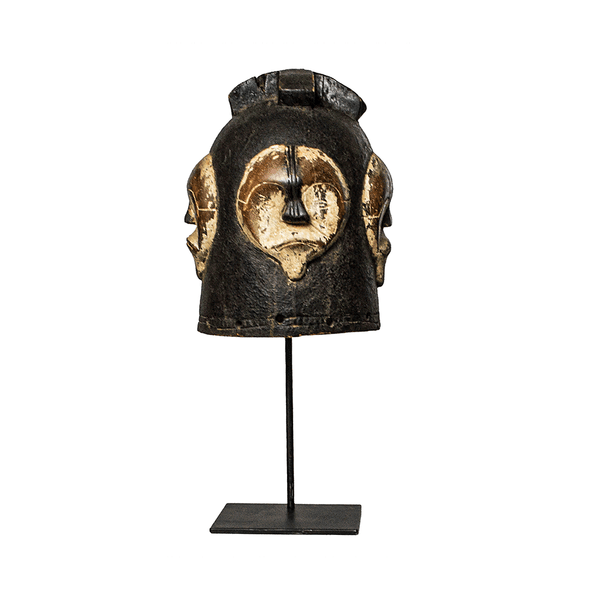
Cameroon, Central Africa · Mask
Helmet Mask
$650
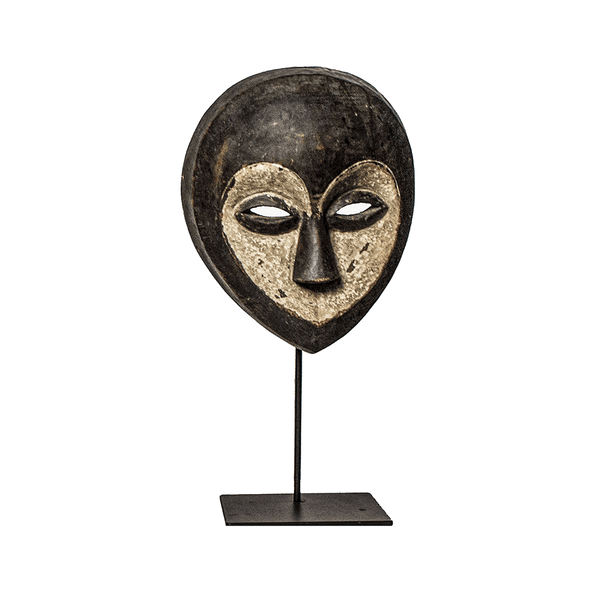
Cameroon, Central Africa · Mask
Kwele Mask
$450
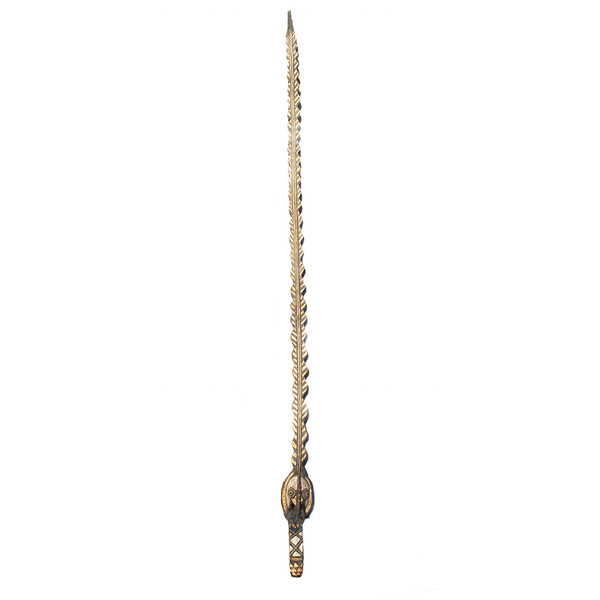
Burkina Faso, West Africa · Mask
Large Mossi Tribe Mask
$9,995
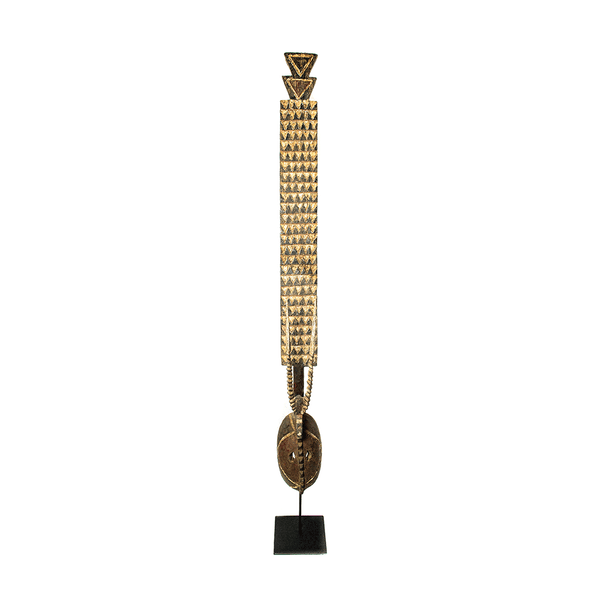
Burkina Faso, West Africa · Mask
Mossi Tribe Mask
$1,850