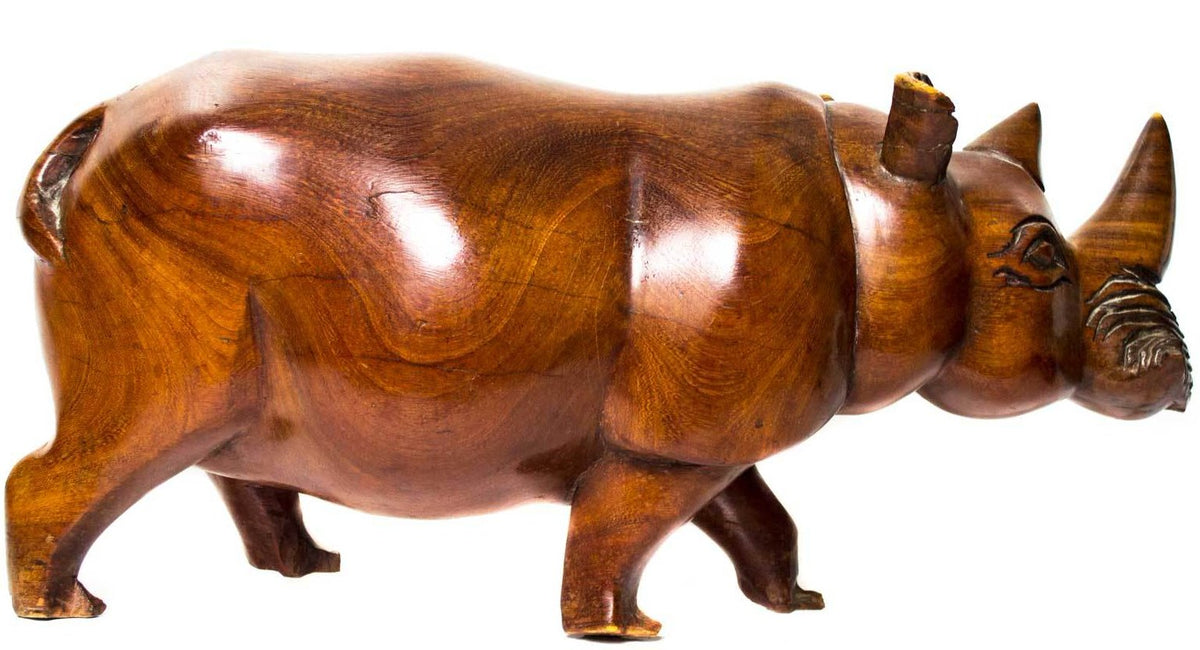
Malawi, Southern Africa · Chewa Tribe
Rhino
Piece #SF001 · Year Made: 1987
$2,700
Shipping individually quoted
Origin
Malawi, Southern Africa
Period
Late 20th Century
Medium
Hand Carved Teak Wood
Length
9"
Width
26"
Height
12"
Details & Materials
Carved from one solid piece of teak in Malawi, "Rhino" carries the weight and calm of the animal itself, an imposing form that anchors any room it stands in.
The rhinoceros holds immense value in African society as the second biggest living land mammal after the elephant. Farming communities draw on the traits of both the solitary, aggressive black rhino and the sociable, territorial white rhino in how they think about leadership, and the Mapungubwe gold rhino served as an emblem of sacred leadership in a class based society. Today rhinos are critically endangered and widely protected.
- Condition: Excellent, not previously owned, undamaged
- Sourcing: Fair Trade
- Certificate of Authenticity: Available Upon Request
- Provenance Report: Available Upon Request
Shipping
Buy now and leave the shipping to us. At checkout you pay for the piece plus a shipping deposit. We then plan the packing for your piece and email you the remaining shipping balance. This applies to both domestic and international orders. Every shipment is tracked, and most deliveries need a signature.
- Domestic: 5-8 business days
- International: 10-14 business days
- White-glove delivery available on request
Care & Placement
Dust with a soft, dry cloth. Keep away from radiators, direct sunlight, dampness, and any sudden change of temperature. Do not place in extremely cold areas.
Place the piece on a level surface
Origin
Malawi
Southern Africa
"When I was first exposed to African art, I felt a deep connection to it. It is hard to explain. It resonates with me spiritually."
Michael, Founder
York's Shona Gallery was the first in New York City to bring African sculpture to American collectors. Every piece in our collection is acquired directly, ensuring authenticity and fair exchange with the artists and communities who create them.
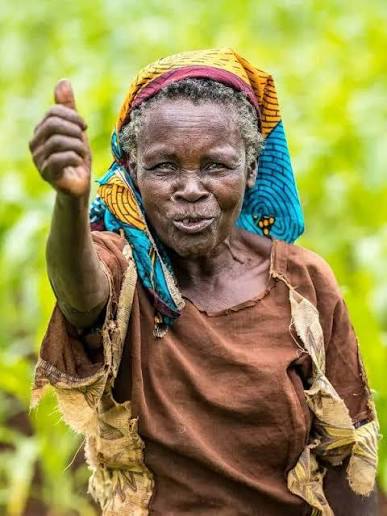
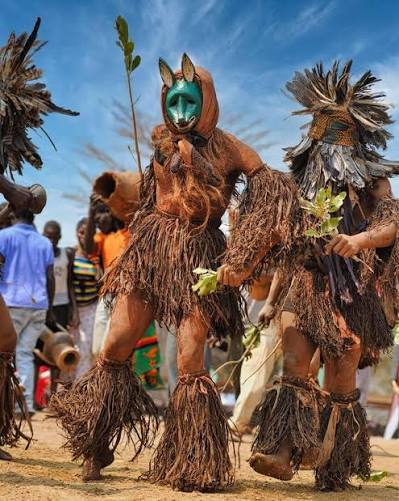
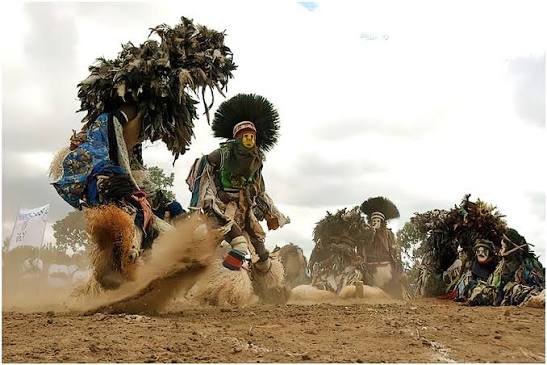
About the Tribe
Chewa Tribe
Stone Sculpture
The Chewa Tribe is arguably the most prolific tribe in Malawai. Chewa, the primary language, has become the official language of Malawi, as it is taught in schools in addition to English. There are many other languages spoken in the region, especially in the north, where one would hear a lot of Tumbuka.
Art in Malawai predominantly involves three-dimensional sculpture rather than painting or drawing. The human figure is the focus of Malawian art and can be found everywhere from the earliest rock paintings to traditional wooden carvings. Abstract forms are common, as artists seek to represent the metaphysical; and symbolism is frequently used to aid representation of gods and other beings.
Carving skills are passed on each generation, and the pieces take many forms from plaques representing Malawian and African scenes, to chiefs' chairs. These traditionally feature ornate carvings of animal, dances, and daily village life. Carvings are prized by collectors not just for their traditional representations, but also for the relatively rare hardwoods from which they are made.
In your home
Loading the room...
Surfaces
Pedestal
Styled with and outdoors
Rooms
The Tradition
African Wood Carving
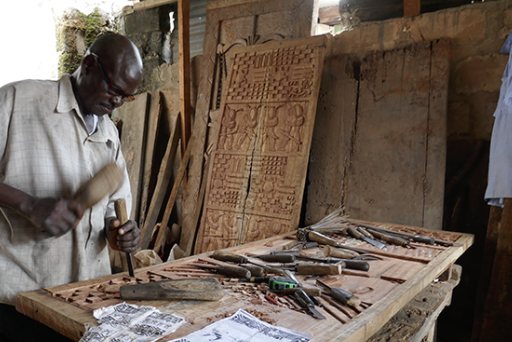
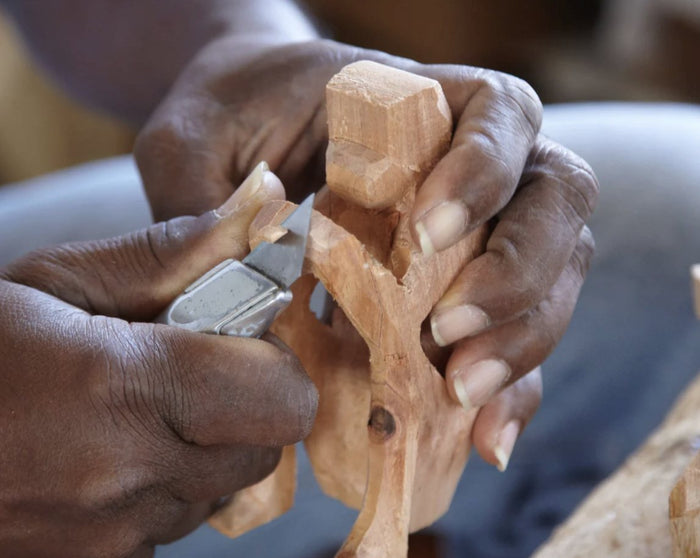
Wood has long been the great sculptural material of Africa. Carved from a single trunk, each piece carries the grain of the living tree and the marks of the hands and tools that shaped it.
- Wood
- Ebony, teak, jarrah, cherry and local hardwoods
- Made
- By hand, from a single block
- Tools
- Adze, knife and chisel
- Made for
- Ceremony, decoration and storytelling
The woods we carry
Ebony wood
A dense, heavy wood that grows slowly, with an almost black heart and pale outer wood from the same log that carvers often use together in one piece
Teak wood
A strong hardwood of warm golden brown, resistant to weather, that deepens in tone with age
Jarrah wood
A very dense, deep red hardwood that darkens to a rich reddish brown as it ages
Cherry wood
A wood with a fine, even grain and a warm reddish tone that grows richer the longer it is exposed to light
Animals in African Art
The Significance of Animals
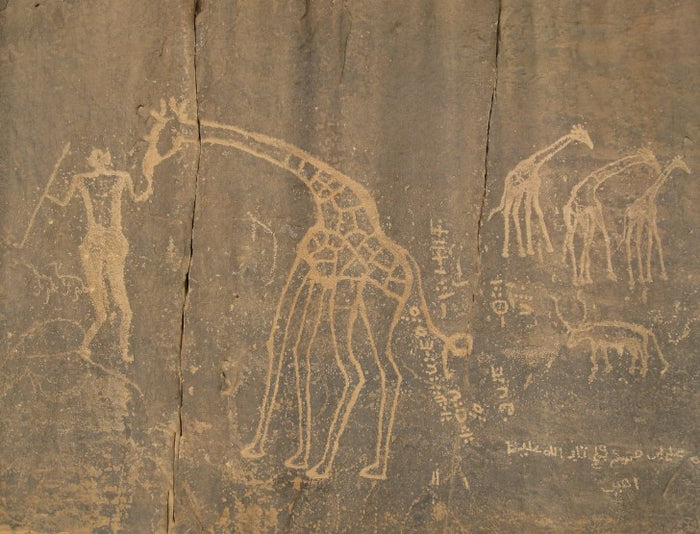
In African art an animal is rarely just an animal. It can stand for a king, a clan, an ancestor or a lesson, and its meaning changes from one people to the next.
- Stands for
- Power, family, and a good harvest
- Teaches
- Right from wrong
- Seen in
- Masks, brass figures, stone and wood sculpture
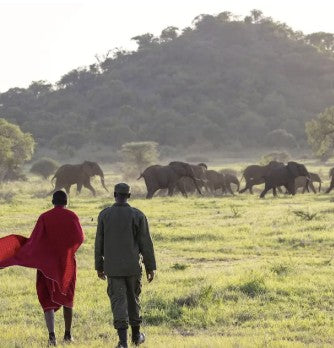
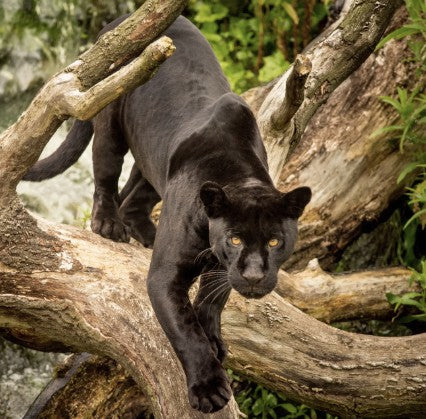
Animal symbols
Nigeria
Leopard
A symbol of the king
Cameroon
Elephant
A symbol of power
Mali
Antelope
A symbol of farming and a good harvest
Zimbabwe
Lion
A family symbol for many Shona clans
Related Pieces
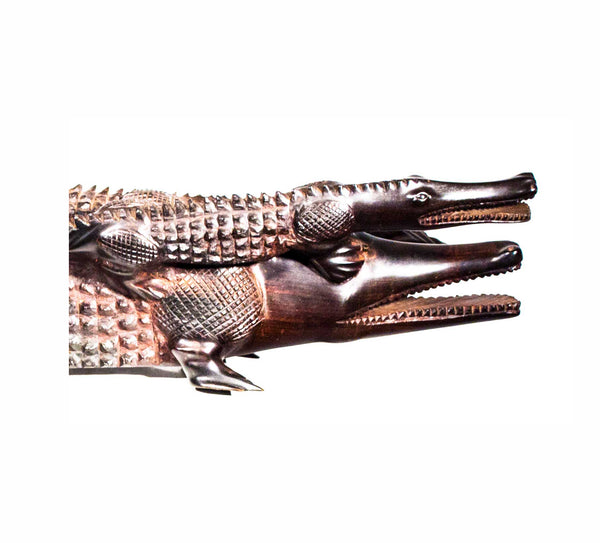
Kenya, East Africa · Wood Sculpture
Crocodile
$2,750
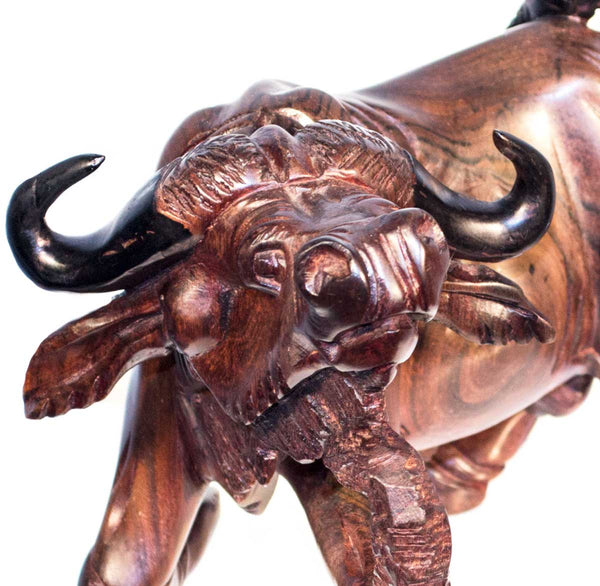
Kenya, East Africa · Wood Sculpture
Buffalo
$1,250
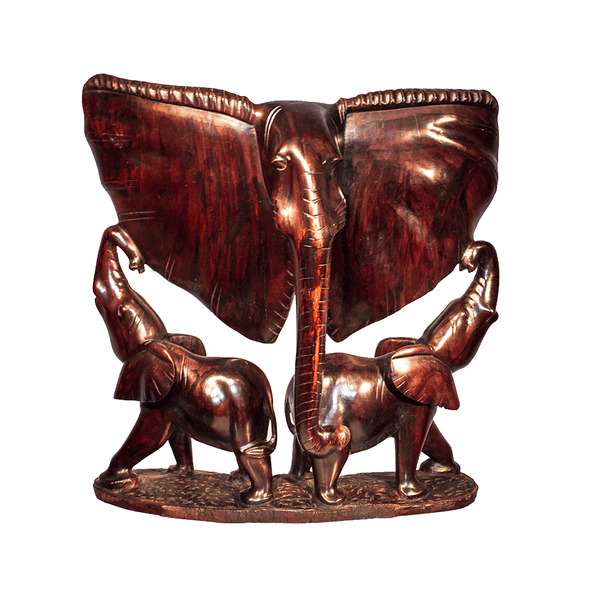
Kenya, East Africa · Wood Sculpture
Mother and Children
$1,850
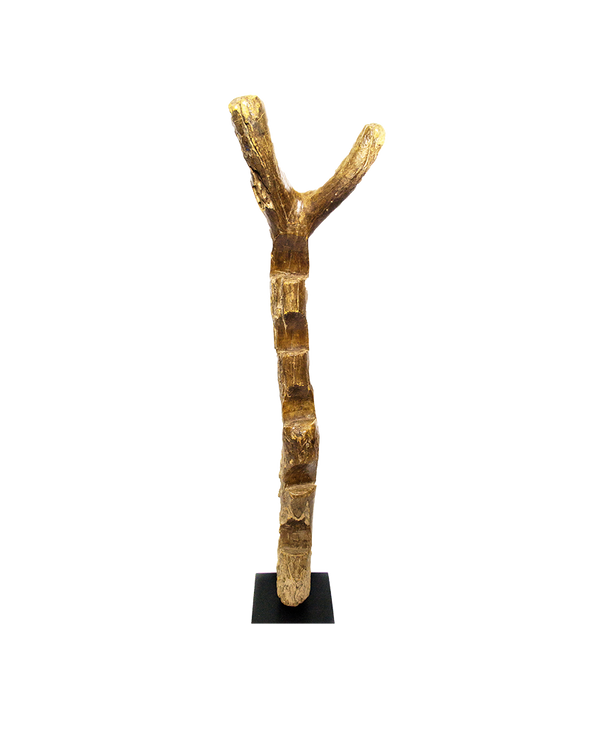
Mali, West Africa · Wood Sculpture
Ladder
$3,199
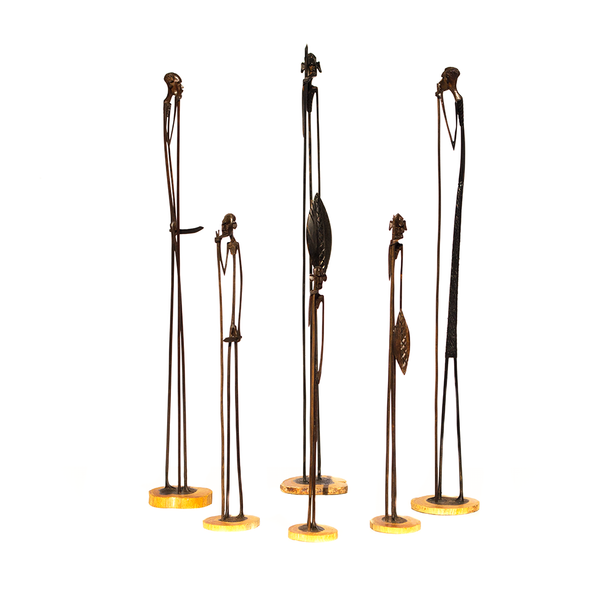
Kenya, East Africa · Wood Sculpture
Masaai People
$275
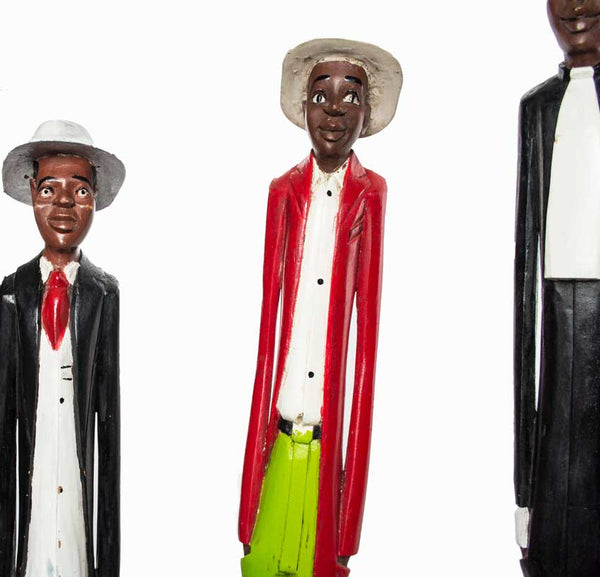
Ivory Coast, West Africa · Wood Sculpture
Colonial People
$250
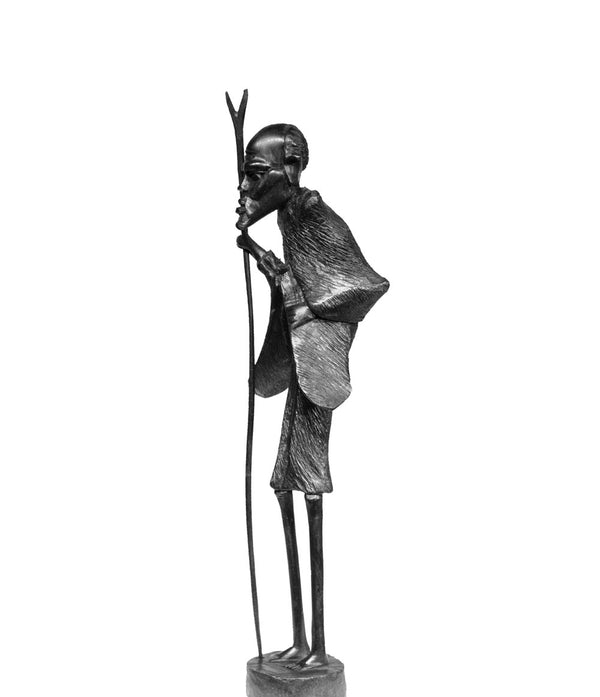
Kenya, East Africa · Wood Sculpture
Masaai Old Man
$275
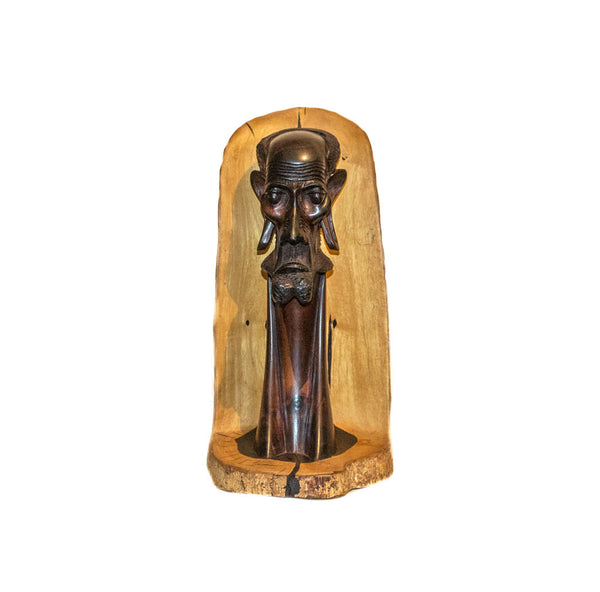
Kenya, East Africa · Wood Sculpture
Masaai Tribe
$950