Zimbabwe, Southern Africa · Fungai Mwarowa
Bunny
Piece #S020 · Year Made: 1994
$3,420
Shipping individually quoted
Origin
Zimbabwe, Southern Africa
Period
Late 20th Century
Medium
Hand Carved Lapidolite Stone
Length
7"
Width
8"
Height
9"
Details & Materials
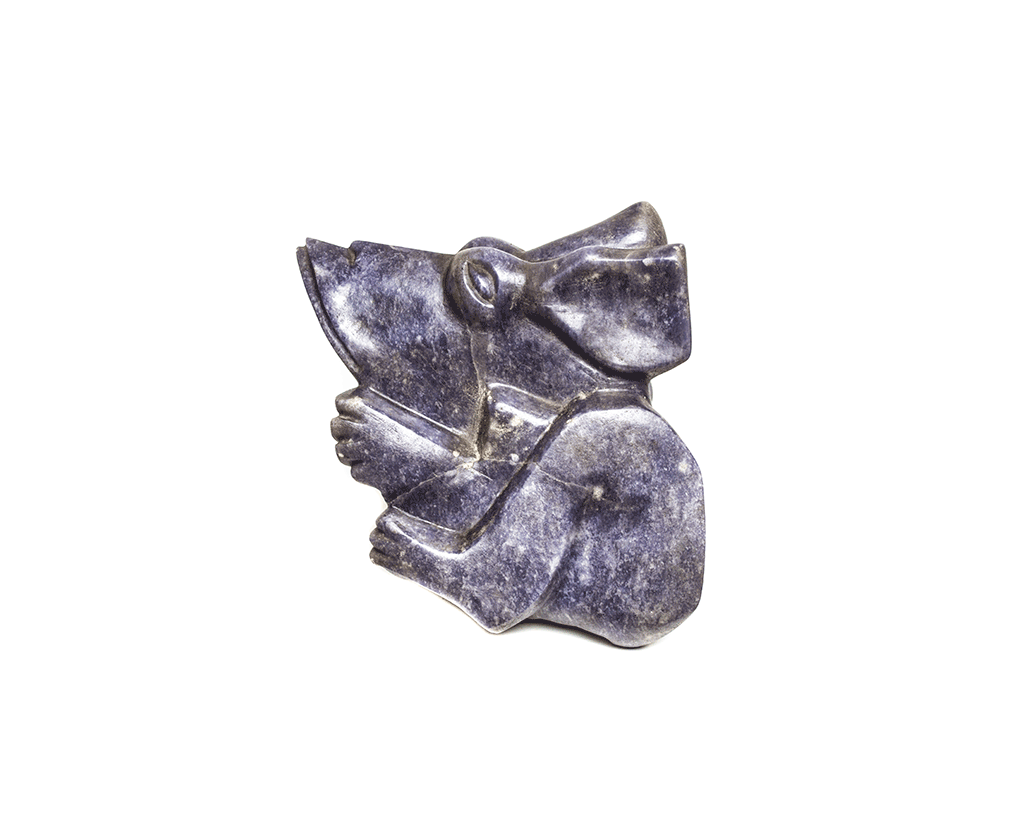
Lepidolite is a stone most carvers leave alone, known for how difficult it is to work, and "Bunny" is one of the very few sculptures in the Shona repertoire made from it. Fungai Mwarowa has said that no stone holds a barrier for him, and he spends that talent on imaginative creatures with something human about them.
This one sits back with its ears fanned wide and its paws drawn up, a single round eye set calmly in the middle of it all. The stone is a deep violet gray, dusted with pale flecks that catch the light.
At 9 inches tall, 8 inches wide and 7 inches deep, it holds a shelf or a tabletop without crowding it. There is only one.
- Condition: Excellent, not previously owned, undamaged
- Sourcing: Fair Trade
- Certificate of Authenticity: Available Upon Request
- Provenance Report: Available Upon Request
Shipping
Buy now and leave the shipping to us. At checkout you pay for the piece plus a shipping deposit. We then plan the packing for your piece and email you the remaining shipping balance. This applies to both domestic and international orders. Every shipment is tracked, and most deliveries need a signature.
- Domestic: 5-8 business days
- International: 10-14 business days
- White-glove delivery available on request
Care & Placement
Dust with a soft, dry brush rather than a cloth. Lapidolite is layered and soft, and a cloth can catch and lift a flake from the surface.
Keep it indoors on a solid, level surface, away from damp and out of direct sunlight
Origin
Zimbabwe
Southern Africa
"When I was first exposed to African art, I felt a deep connection to it. It is hard to explain. It resonates with me spiritually."
Michael, Founder
York's Shona Gallery was the first in New York City to bring African sculpture to American collectors. Every piece in our collection is acquired directly, ensuring authenticity and fair exchange with the artists and communities who create them.
About the Artist
Fungai Mwarowa
Stone Sculpture
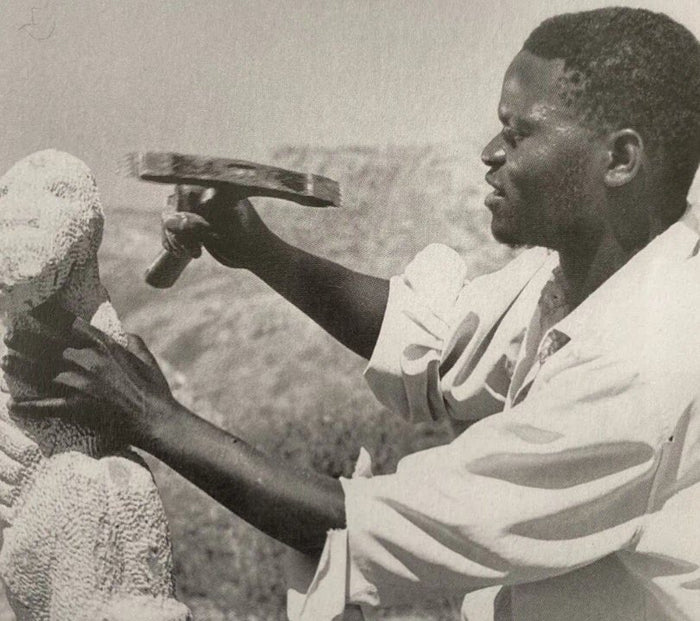
Fungai was born on August 29, 1969 at Biriwiri Mission Hospital in Chimanimani. His father was a plumber at the local forestry estate and his mother was a housewife. He completed his ‘O’ level at Mhakwe Secondary School, Chimanimani in 1987.
In 1990, Fungai began to sculpt under Joram Mariga, the father of Zimbabwean stone sculpture. It was through Mariga’s wife, Maude, that Fungai met Joram. Maude’s home town is Chimanimani, so one day whilst Joram was visiting her parents, she introduced him to Fungai.
For five years, Fungai apprenticed with Joram, learning all aspects of stone carving. Mariga is known for his passion to work in hard stone such as lepidolite, granite and leopard rock, therefore Mwarowa’s grounding was a solid one. Shortly after, during the International Granite Sculpture Workshop held at Chapungu, Mwarowa displayed to the world that he can sculpt even the hardest of stones.
In 1995, Mwarowa applied for residency at Chapungu and worked at the famous Chapungu National Park. It was not been easy for Mwarowa to break from the teaching and training he received from Mariga, his sculpture would more often than not bear certain resemblances to the distinctive Mariga style. A few more years into his career, however, was all it took to create works true to himself and reflective of his person: happy, cheerful and a little off-beat.
Stone holds no barriers for him, he can work on any stone no matter how hard. This skill is very revered and Mwarowa took advantage of the hard colored stones--producing fantastic imaginative creatures often imbued with human characteristics. His fascination for stone is obvious, as he enjoys making each new sculpture from a different stone.
In your home
Loading the room...
Surfaces
Pedestal
Styled with and outdoors
Rooms
The Tradition
Shona Stone Sculpture
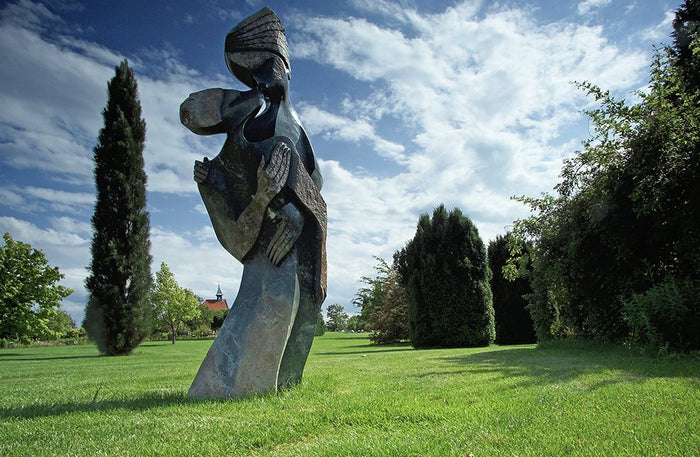
Shona sculpture is stone sculpture carved by hand in Zimbabwe, named after the Shona, the largest group of people in the country. The finest pieces keep the weight and stillness of the rock, while the figure within seems to rise out of it.
- Where
- Zimbabwe
- Roots
- An ancient stone city, 11th to 15th centuries
- Began
- Late 1950s in Harare, the capital of Zimbabwe
- Stone
- Spring stone, serpentine, lepidolite
- Subjects
- Family, spirits, animals, transformation
- In collections
- British Museum, Museum of Modern Art
- Finish
- Polished by hand, often left partly raw
Why Shona?
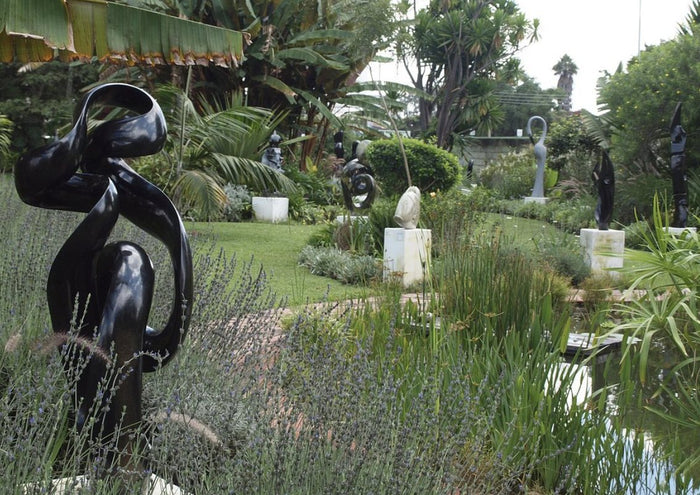
- Suitable for indoor and outdoor environments, such as a garden or terrace
- Durable and will not dull or erode
- One of a kind pieces
- Marked with artist’s signatures
- Hand carved in Zimbabwe
The stones we carry
Spring stone
Dense and very hard, it polishes to a deep, glassy black and weathers to pale grey where it is left raw
Serpentine
The most varied of Zimbabwe's stones, from olive green and brown to pink, rust and almost black, often within a single block
Lepidolite
A softer stone in shades of lilac and violet that glints in the light, prized for its rare color
Animals in African Art
The Significance of Animals
In African art an animal is rarely just an animal. It can stand for a king, a clan, an ancestor or a lesson, and its meaning changes from one people to the next.
- Stands for
- Power, family, and a good harvest
- Teaches
- Right from wrong
- Seen in
- Masks, brass figures, stone and wood sculpture
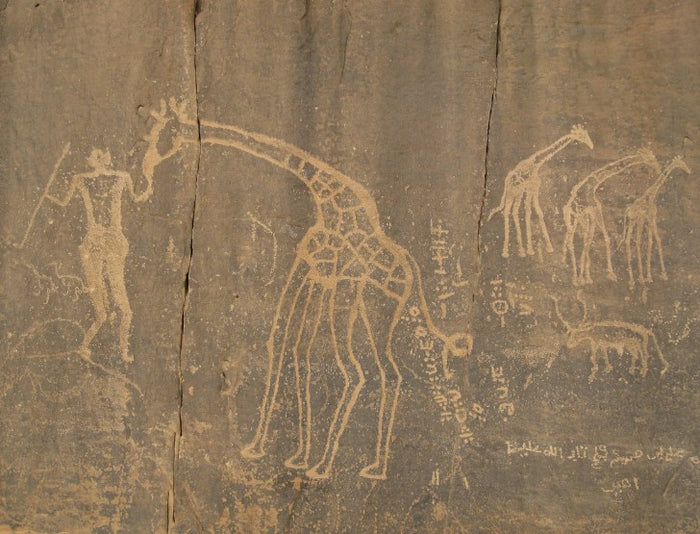

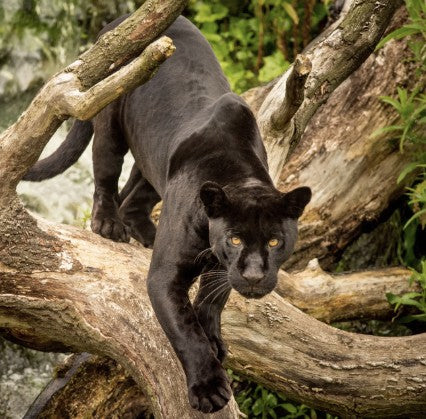
Animal symbols
Nigeria
Leopard
A symbol of the king
Cameroon
Elephant
A symbol of power
Mali
Antelope
A symbol of farming and a good harvest
Zimbabwe
Lion
A family symbol for many Shona clans
Related Pieces
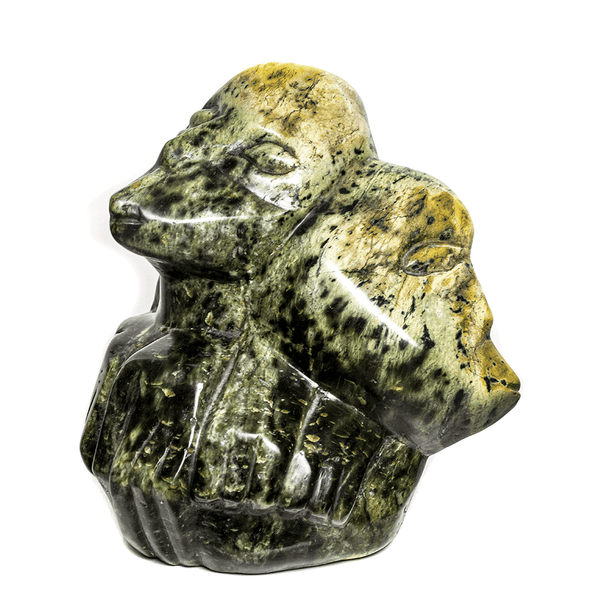
Zimbabwe, Southern Africa · Stone Sculpture
Two Brothers
$2,550
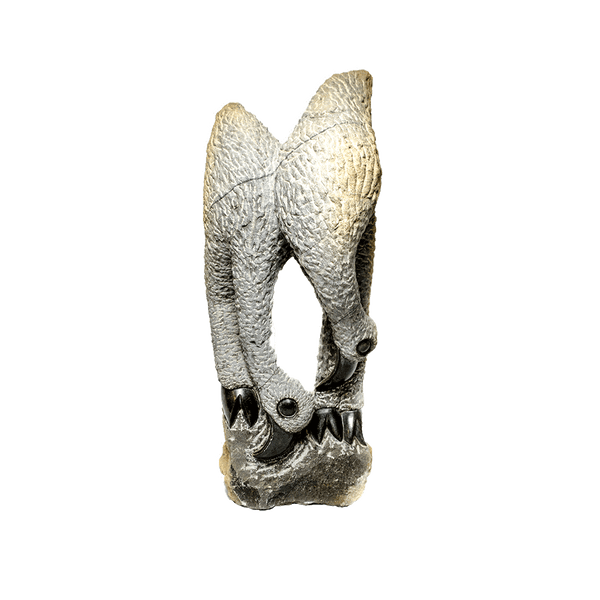
Zimbabwe, Southern Africa · Stone Sculpture
Couple
$8,995
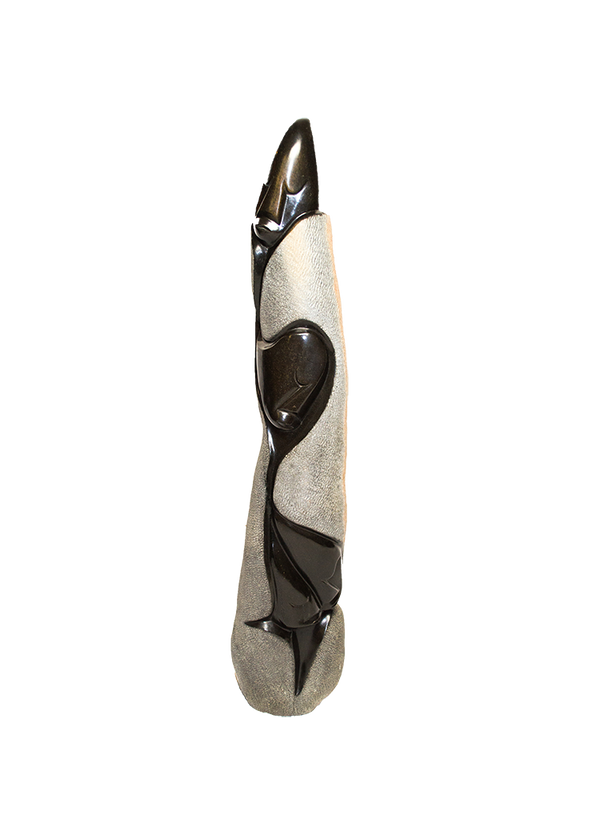
Zimbabwe, Southern Africa · Stone Sculpture
Family
$8,995
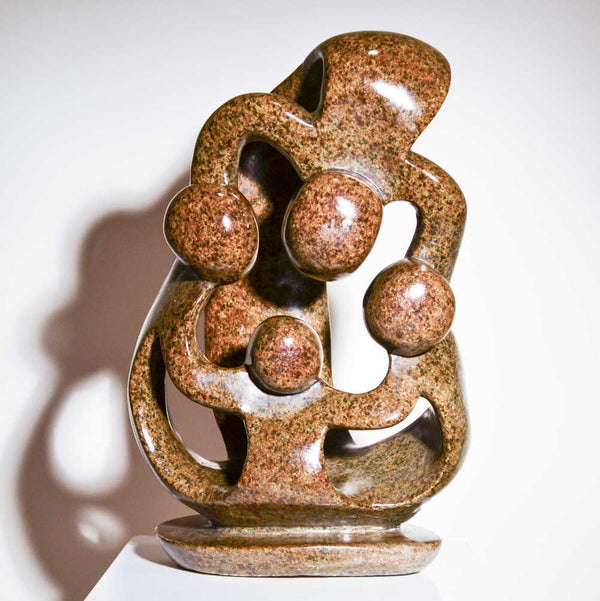
Zimbabwe, Southern Africa · Stone Sculpture
Family of Four
$3,540
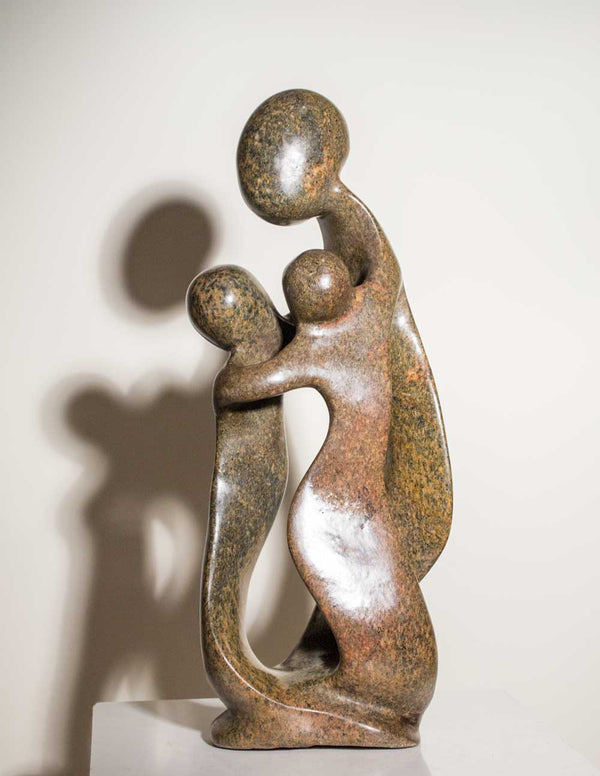
Zimbabwe, Southern Africa · Stone Sculpture
Family of Three
$1,850
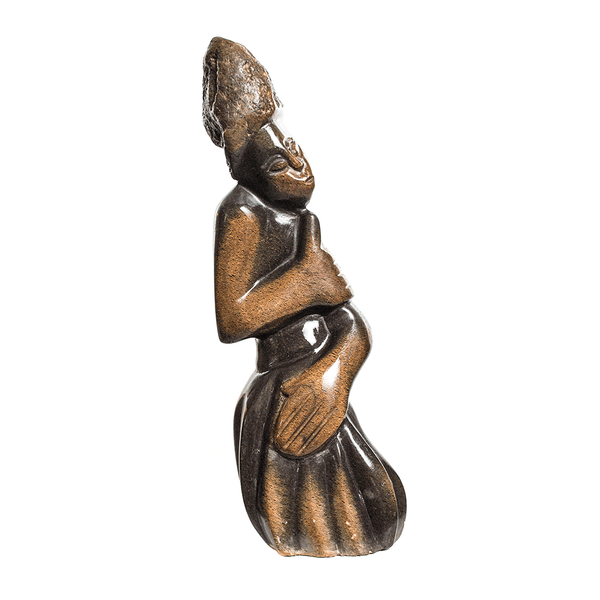
Zimbabwe, Southern Africa · Stone Sculpture
Fresh Woman
$2,350
Zimbabwe, Southern Africa · Stone Sculpture
Gentle Lady
$2,500
Zimbabwe, Southern Africa · Stone Sculpture
Hidden
$2,550