Zimbabwe, Southern Africa · Tinashe Makaza
Couple
Piece #S006 · Year Made: 1990
$8,995
Shipping individually quoted
Origin
Zimbabwe, Southern Africa
Period
Late 20th Century
Medium
Hand Carved Spring Stone
Length
12"
Width
6"
Height
36"
Details & Materials
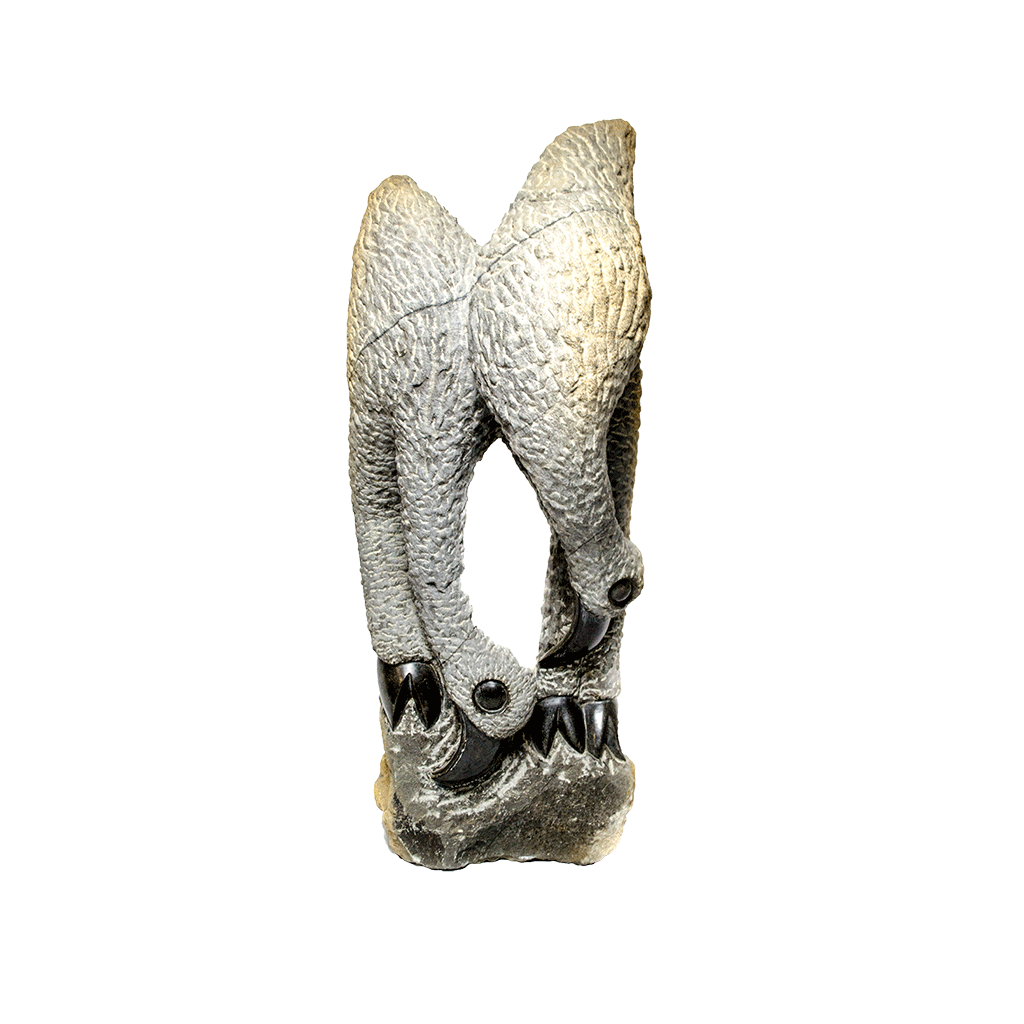
"Couple" is a piece about leaning on someone. Two figures share one rough base, heads bowed low, bodies curved into each other until the space between them closes into a single arch.
Tinashe Makaza carved the pair from one block of natural spring stone, leaving the bodies textured and raw while the bowed heads are polished dark and smooth, so the eye moves between the two finishes the way it moves between the two figures. The color shifts across the piece as it does through any single block of spring stone, from pale gray to near black.
At three feet tall it is at home indoors or out, and rain and snow leave it unchanged.
- Condition: Excellent, not previously owned, undamaged
- Sourcing: Fair Trade
- Certificate of Authenticity: Available Upon Request
- Provenance Report: Available Upon Request
Shipping
Buy now and leave the shipping to us. At checkout you pay for the piece plus a shipping deposit. We then plan the packing for your piece and email you the remaining shipping balance. This applies to both domestic and international orders. Every shipment is tracked, and most deliveries need a signature.
- Domestic: 5-8 business days
- International: 10-14 business days
- White-glove delivery available on request
Care & Placement
Dust with a soft, dry cloth.
Can be placed indoors or outdoors; weather will not damage it. Place on a solid, level surface or pedestal
Origin
Zimbabwe
Southern Africa
"When I was first exposed to African art, I felt a deep connection to it. It is hard to explain. It resonates with me spiritually."
Michael, Founder
York's Shona Gallery was the first in New York City to bring African sculpture to American collectors. Every piece in our collection is acquired directly, ensuring authenticity and fair exchange with the artists and communities who create them.
About the Artist
Tinashe Makaza
Stone Sculpture
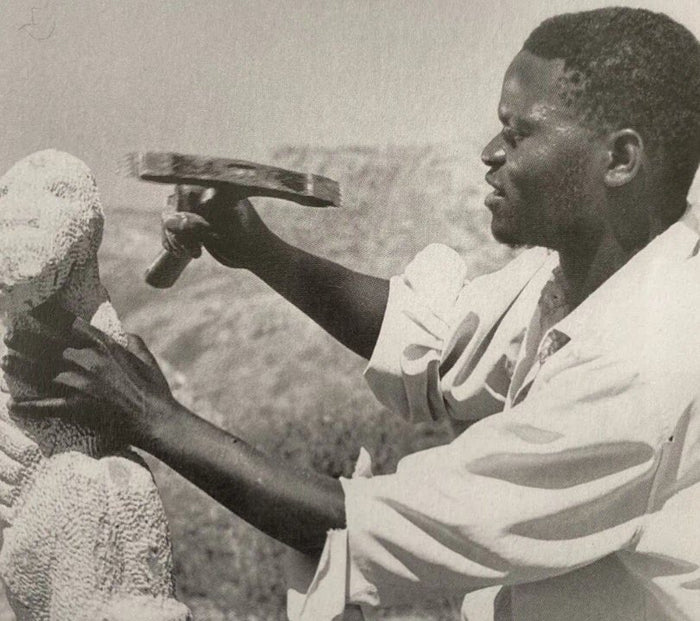
Tinashe was born in 1972 in the Guruve district, which is situated in the Northwest of Zimbabwe. He was the fourth born child in a family of seven and is from the Shona tribe.
Makaza was instantly drawn to the brightly coloured sculpture and was soon creating his own pieces. It was not long before his works attracted the eye of the late Brighton Sango, one of Zimbabwe’s leading second generation sculptors, who apart from doing his own sculpture was also running a small gallery dedicated to helping younger, less established sculptors. Tinashe received a lot of encouragement from Sango and still draws on it today, whenever he feels his commitment weaken. Many sculptors in the region thought that Tinashe was possessed by “art Spirits” because his works were so creative and highly commended by Sango.
Makaza's work is very influenced by his natural surroundings, his sculpture reflecting the organic shapes found in mountains, clouds or flowers, his volumetric forms indicate a keen sense of awareness of his environment, he is not copying nature but merely studying it. He is now a full time sculptor having been sculpting for eight years and supporting himself from the sale f his works. As far as his influences are concerned, apart from nature he admires the work of Bernard Matamera and the late Gladman Zinyeka.
Makaza has been working with Chapungu Sculpture Park and is presently under contract with them for a year, where Chapungu will do their utmost to promote and display his works overseas and in all their exhibitions.
Makaza learned the basics of stone carving with Boira Mteki and assisted him for a six-month period – still recalling the first sculpture he assisted on, a sitting chameleon from green serpentine. He has also assisted Agnes Nyanhongo, Arthur Fata, Cosmas Muchenje and Garrison Machinjili.
In your home
Loading the room...
Surfaces
Pedestal
Styled with and outdoors
Rooms
The Tradition
Shona Stone Sculpture
Shona sculpture is stone sculpture carved by hand in Zimbabwe, named after the Shona, the largest group of people in the country. The finest pieces keep the weight and stillness of the rock, while the figure within seems to rise out of it.
- Where
- Zimbabwe
- Roots
- An ancient stone city, 11th to 15th centuries
- Began
- Late 1950s in Harare, the capital of Zimbabwe
- Stone
- Spring stone, serpentine, lepidolite
- Subjects
- Family, spirits, animals, transformation
- In collections
- British Museum, Museum of Modern Art
- Finish
- Polished by hand, often left partly raw
Why Shona?
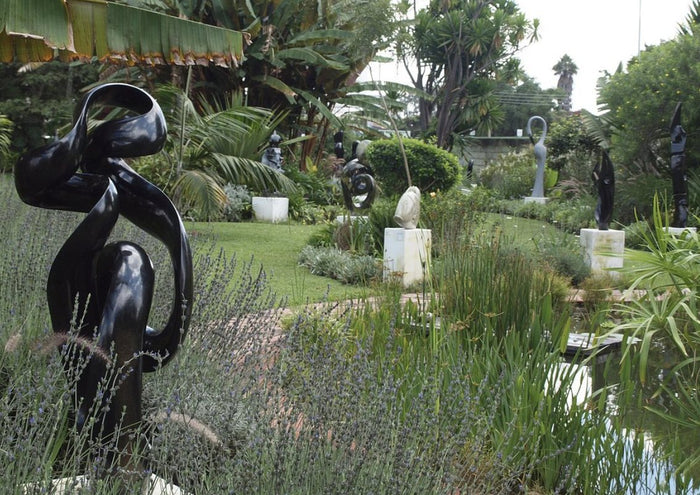
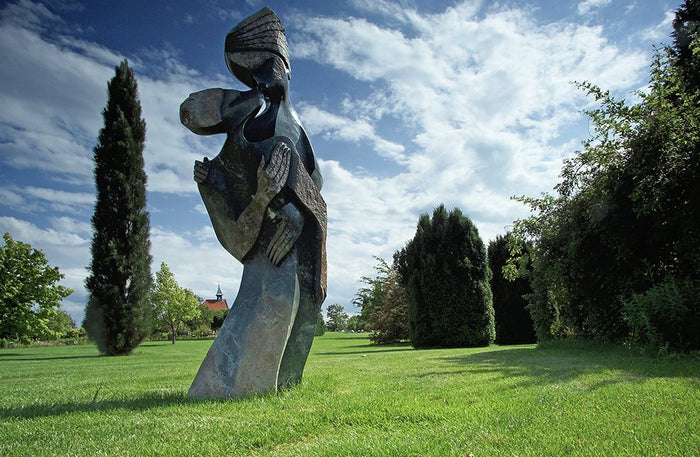
- Suitable for indoor and outdoor environments, such as a garden or terrace
- Durable and will not dull or erode
- One of a kind pieces
- Marked with artist’s signatures
- Hand carved in Zimbabwe
The stones we carry
Spring stone
Dense and very hard, it polishes to a deep, glassy black and weathers to pale grey where it is left raw
Serpentine
The most varied of Zimbabwe's stones, from olive green and brown to pink, rust and almost black, often within a single block
Lepidolite
A softer stone in shades of lilac and violet that glints in the light, prized for its rare color
Animals in African Art
The Significance of Animals
In African art an animal is rarely just an animal. It can stand for a king, a clan, an ancestor or a lesson, and its meaning changes from one people to the next.
- Stands for
- Power, family, and a good harvest
- Teaches
- Right from wrong
- Seen in
- Masks, brass figures, stone and wood sculpture
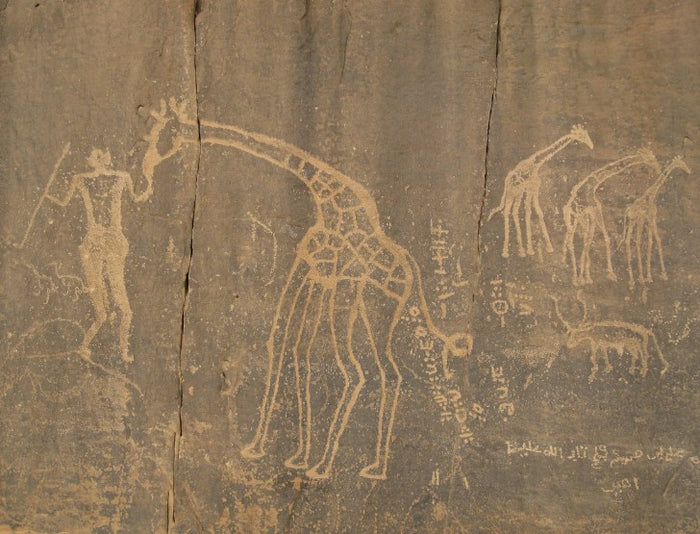
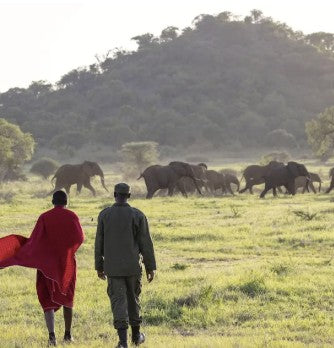
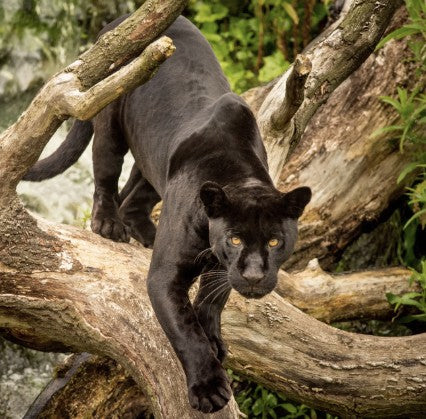
Animal symbols
Nigeria
Leopard
A symbol of the king
Cameroon
Elephant
A symbol of power
Mali
Antelope
A symbol of farming and a good harvest
Zimbabwe
Lion
A family symbol for many Shona clans
Related Pieces
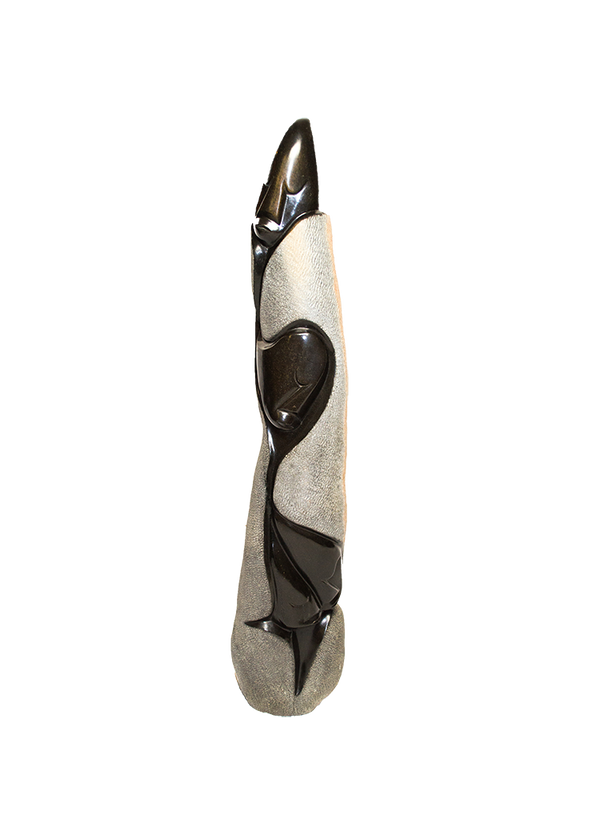
Zimbabwe, Southern Africa · Stone Sculpture
Family
$8,995
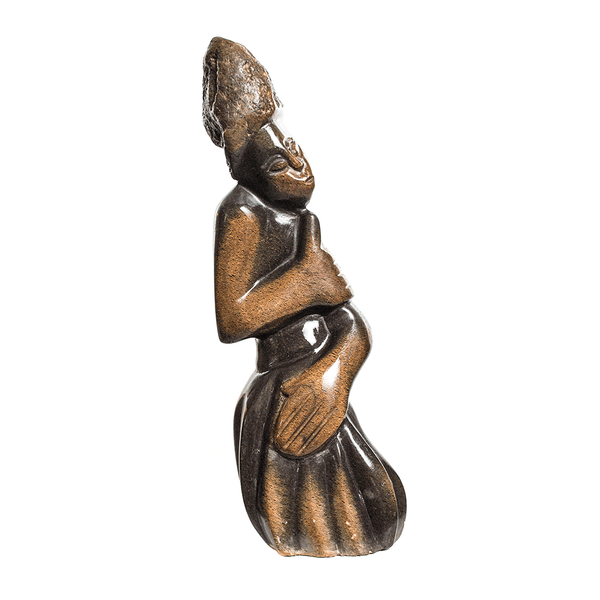
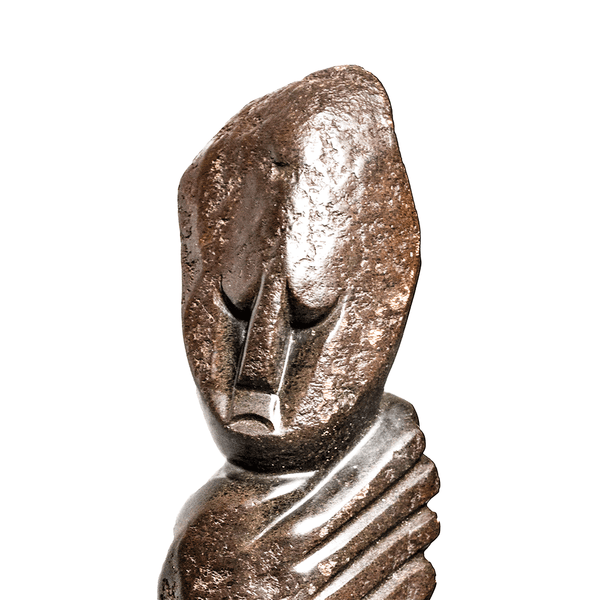
Zimbabwe, Southern Africa · Stone Sculpture
Fresh Woman
$2,350
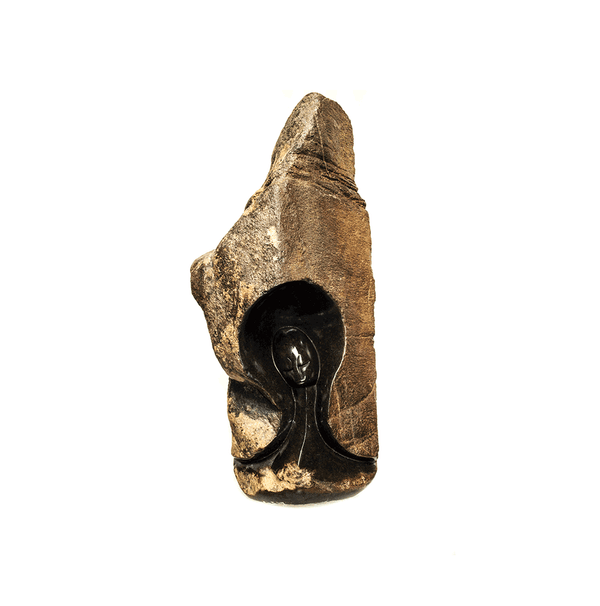
Zimbabwe, Southern Africa · Stone Sculpture
Gentle Lady
$2,500
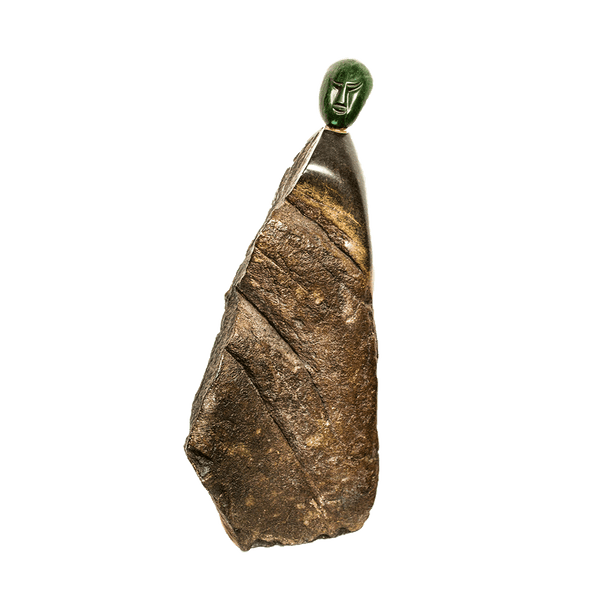
Zimbabwe, Southern Africa · Stone Sculpture
Hidden
$2,550
Zimbabwe, Southern Africa · Stone Sculpture
Lonely
$2,900
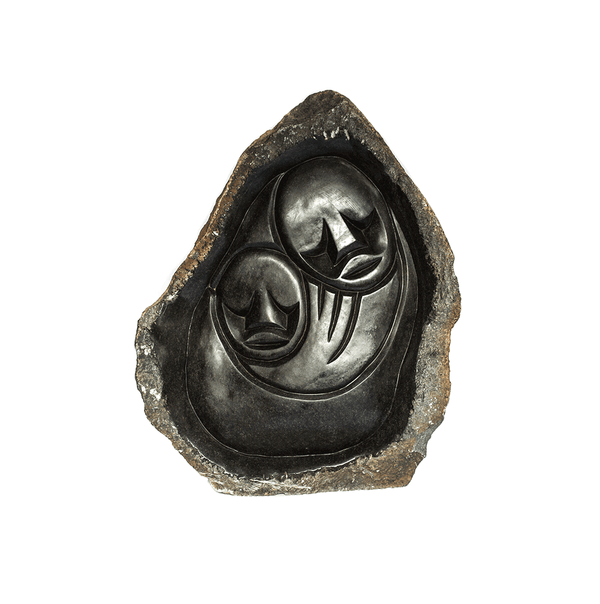
Zimbabwe, Southern Africa · Stone Sculpture
Lost in a Cave
$24,995
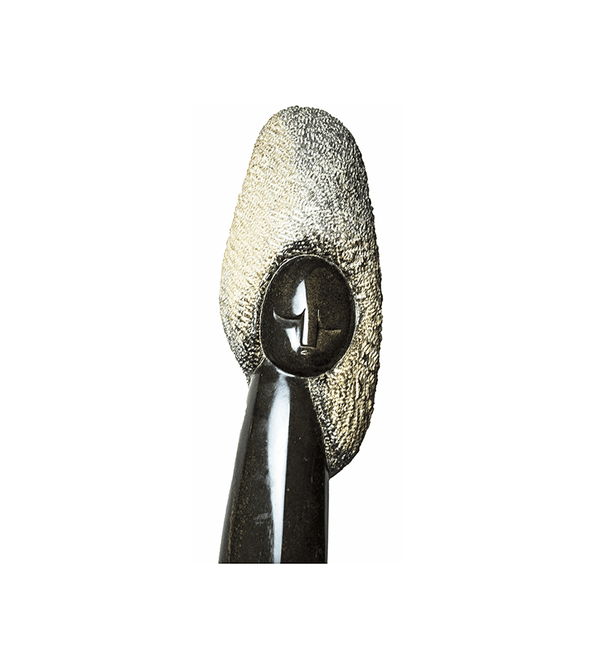
Zimbabwe, Southern Africa · Stone Sculpture
Lovely Girl
$2,995
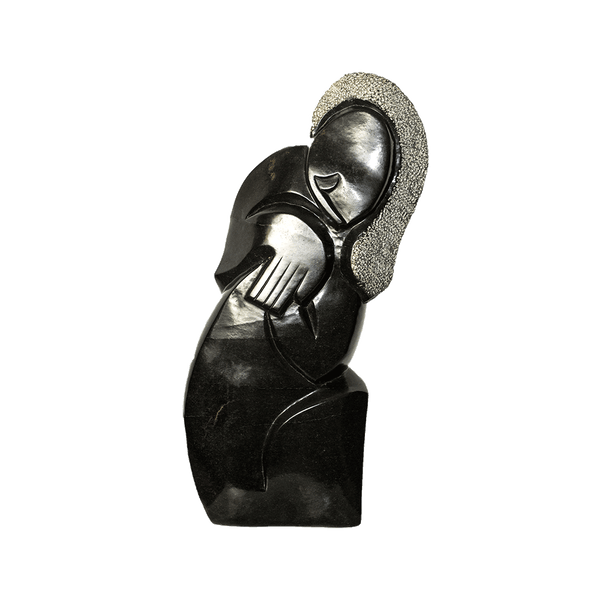
Zimbabwe, Southern Africa · Stone Sculpture
Prayer
$3,500