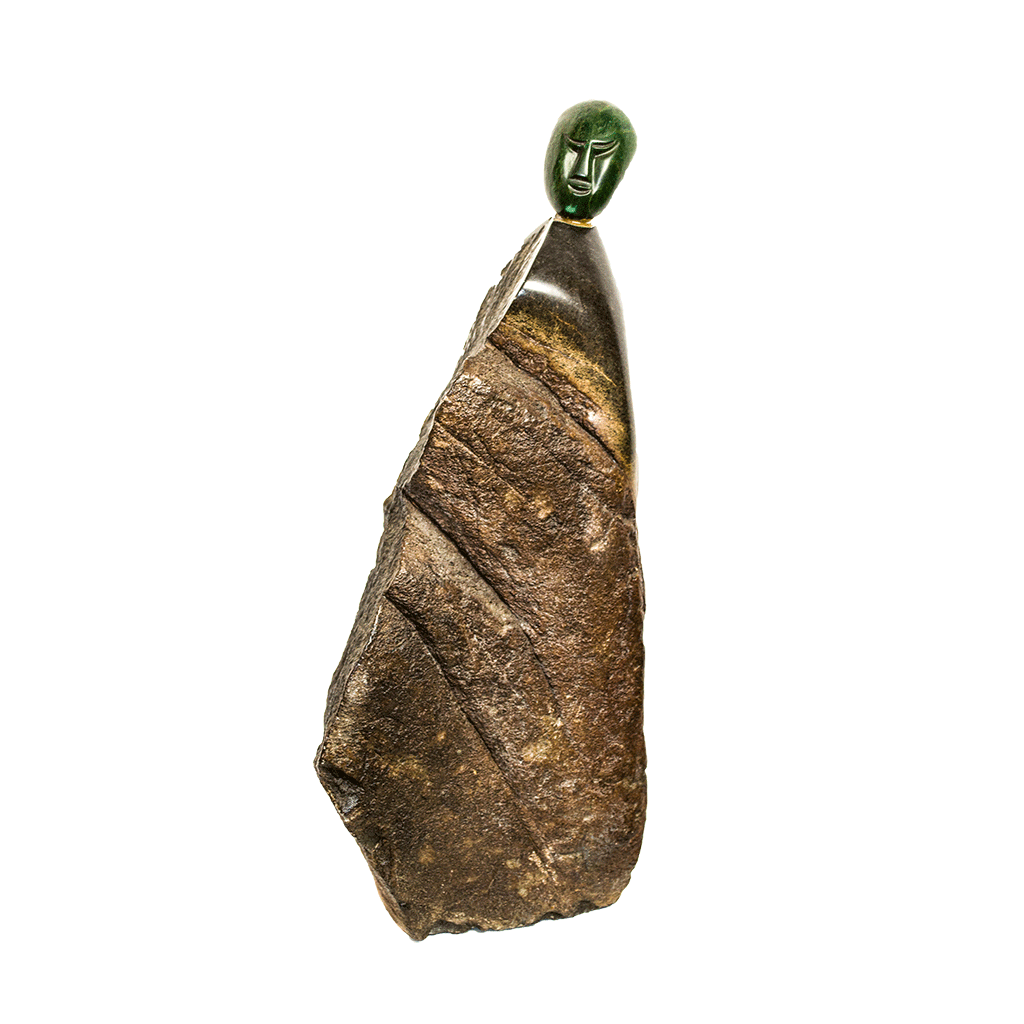
Zimbabwe, Southern Africa · Lincon Muteta
Lonely
Piece #S002 · Year Made: 1990
$2,900
Shipping individually quoted
Origin
Zimbabwe, Southern Africa
Period
Late 20th Century
Medium
Hand Carved Spring Stone
Length
8"
Width
7"
Height
21"
Details & Materials
A single green head, polished to glass, rests on dark shoulders at the top of this piece, and everything beneath it is raw: 21 inches of rough brown stone surrounding one small, quiet figure. The subject is solitude, and the proportions do the telling.
Lincon Muteta builds his work from the day to day life around him in Chitungwiza, and the faces in his sculptures carry the joys and the sadness of his neighbors. Asked why he sculpts, Muteta puts it plainly: "I guess God gave me the courage and talent to sculpt to bring back our vanishing cultural heritage for the sake of future generations."
- Condition: Excellent, not previously owned, undamaged
- Sourcing: Fair Trade
- Certificate of Authenticity: Available Upon Request
- Provenance Report: Available Upon Request
Shipping
Buy now and leave the shipping to us. At checkout you pay for the piece plus a shipping deposit. We then plan the packing for your piece and email you the remaining shipping balance. This applies to both domestic and international orders. Every shipment is tracked, and most deliveries need a signature.
- Domestic: 5-8 business days
- International: 10-14 business days
- White-glove delivery available on request
Care & Placement
Dust with a soft, dry cloth.
Can be placed indoors or outdoors; weather will not damage it. Place on a solid, level surface or pedestal
Origin
Zimbabwe
Southern Africa
"When I was first exposed to African art, I felt a deep connection to it. It is hard to explain. It resonates with me spiritually."
Michael, Founder
York's Shona Gallery was the first in New York City to bring African sculpture to American collectors. Every piece in our collection is acquired directly, ensuring authenticity and fair exchange with the artists and communities who create them.
About the Artist
Lincon Muteta
Stone Sculpture
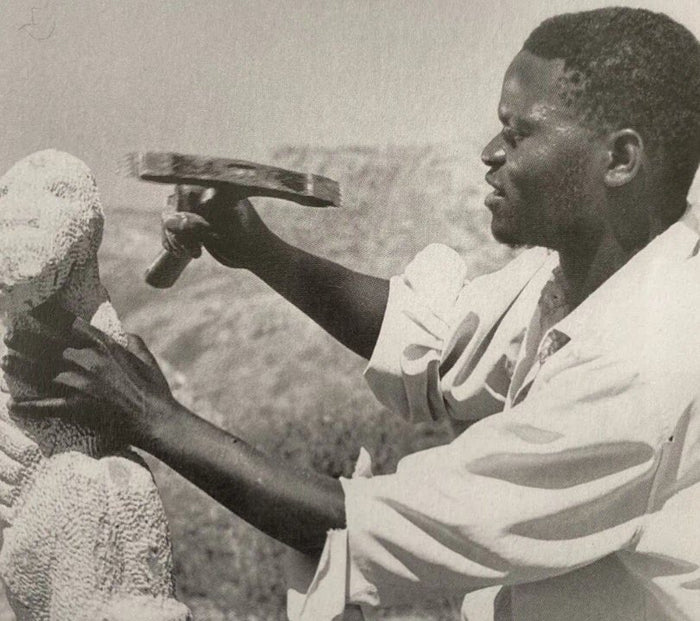
Lincon Muteta was born in 1975 in Harare, Zimbabwe. He is the youngest in a family of four. He originates from Mutoko and his totem is “Soko Muhrewa” (Monkey).
He went to secondary school at Morgan High School in Harare and he began sculpting in 1989 whilst still at school. He worked under the tutelage of Denny Kanyemba, another prominent Zimbabwean sculptor. He was encouraged to go solo and pursue sculpting as a full-time career by his mentor, the late Moses Masaya.
He has a great love for Shona culture and, coupled with his imaginative and innovative ability, has ensured that his work is of the highest standard. This has earned him a following from collectors around the world.
Muteta bases his work on day-to-day events that interest him, and the feelings and emotions of the people around him. The faces and gestures in his work reflect the joys and the sadness experienced by the sprawling population of the Chitungwisa suburb in which he lives.
Muteta has been instrumental in encouraging and teaching younger artists, several of whom are now pursuing solo careers. Muteta’s skills have also been appreciated in Zimbabwe, in particular by Roy Guthrie, the Director of Chapungu Sculpture Park where Muteta was a resident artist from 1996-1997.
When questioned on his motivation for sculpting Muteta states, “I guess God gave me the courage and talent to sculpt to bring back our vanishing cultural heritage for the sake of future generations.”
In your home
Loading the room...
Surfaces
Pedestal
Styled with and outdoors
Rooms
The Tradition
Shona Stone Sculpture
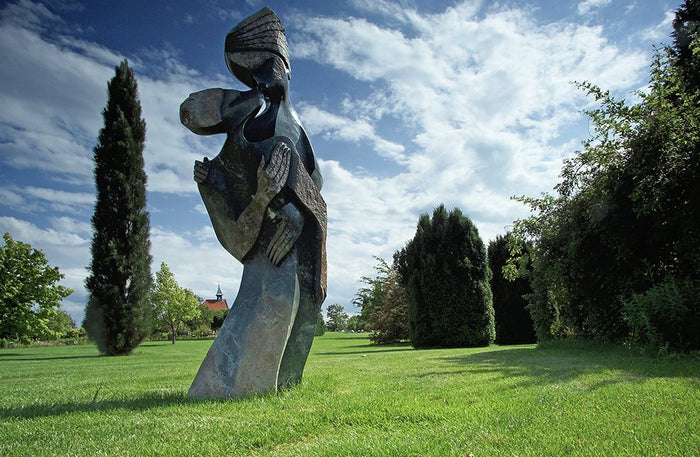
Shona sculpture is stone sculpture carved by hand in Zimbabwe, named after the Shona, the largest group of people in the country. The finest pieces keep the weight and stillness of the rock, while the figure within seems to rise out of it.
- Where
- Zimbabwe
- Roots
- An ancient stone city, 11th to 15th centuries
- Began
- Late 1950s in Harare, the capital of Zimbabwe
- Stone
- Spring stone, serpentine, lepidolite
- Subjects
- Family, spirits, animals, transformation
- In collections
- British Museum, Museum of Modern Art
- Finish
- Polished by hand, often left partly raw
Why Shona?
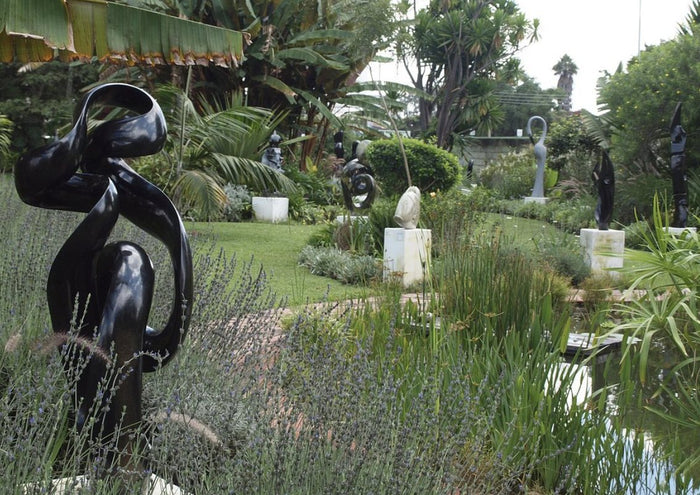
- Suitable for indoor and outdoor environments, such as a garden or terrace
- Durable and will not dull or erode
- One of a kind pieces
- Marked with artist’s signatures
- Hand carved in Zimbabwe
The stones we carry
Spring stone
Dense and very hard, it polishes to a deep, glassy black and weathers to pale grey where it is left raw
Serpentine
The most varied of Zimbabwe's stones, from olive green and brown to pink, rust and almost black, often within a single block
Lepidolite
A softer stone in shades of lilac and violet that glints in the light, prized for its rare color
Related Pieces
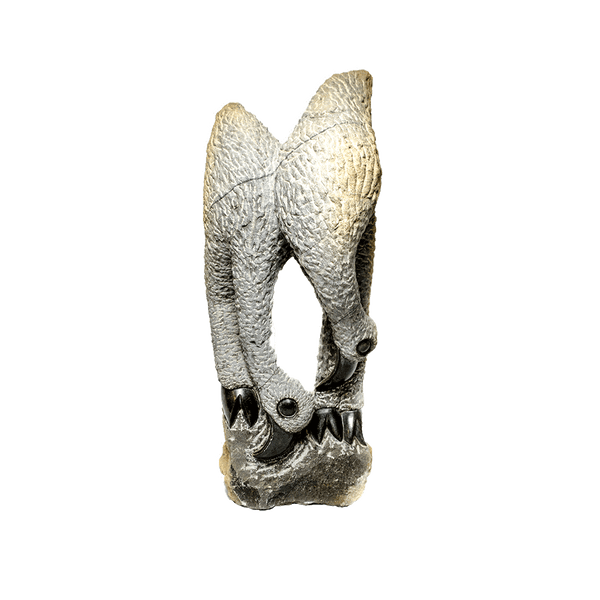
Zimbabwe, Southern Africa · Stone Sculpture
Couple
$8,995
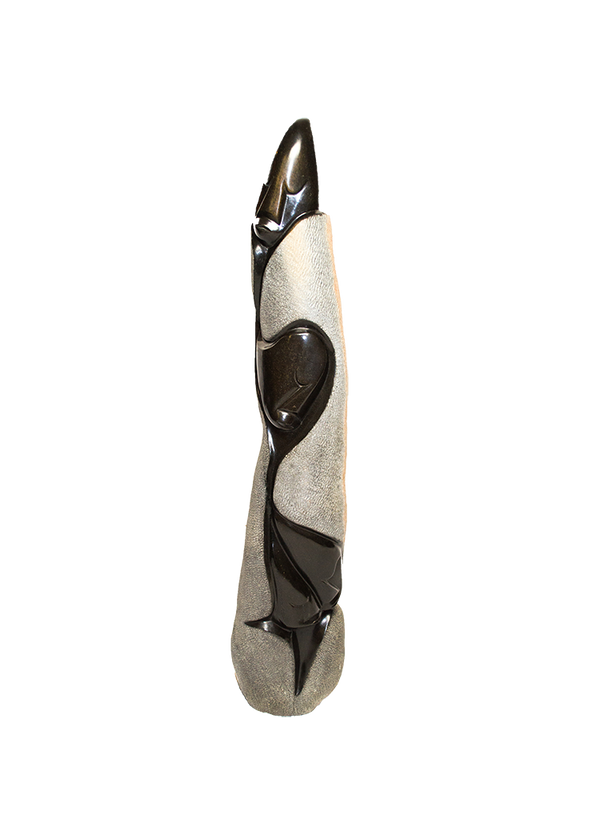
Zimbabwe, Southern Africa · Stone Sculpture
Family
$8,995
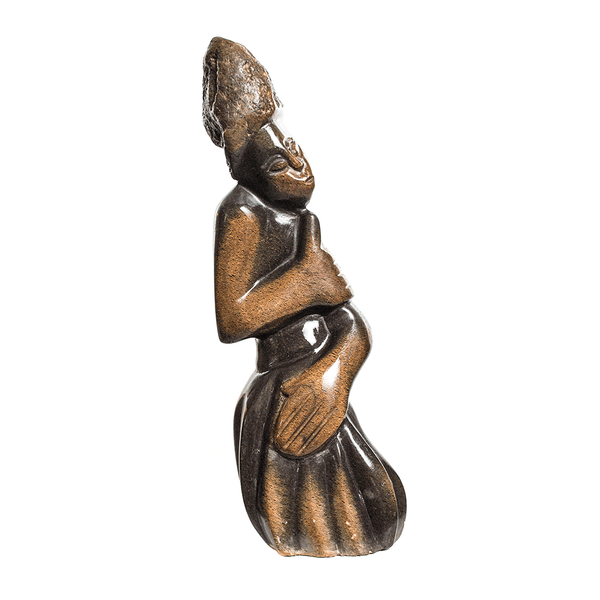
Zimbabwe, Southern Africa · Stone Sculpture
Fresh Woman
$2,350
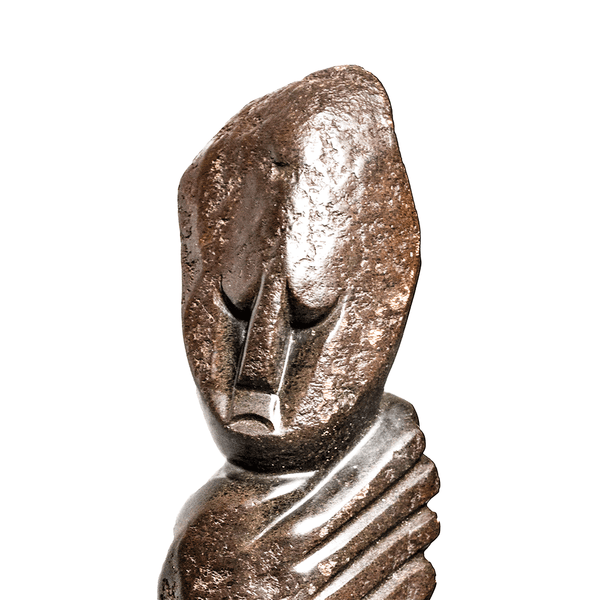
Zimbabwe, Southern Africa · Stone Sculpture
Gentle Lady
$2,500
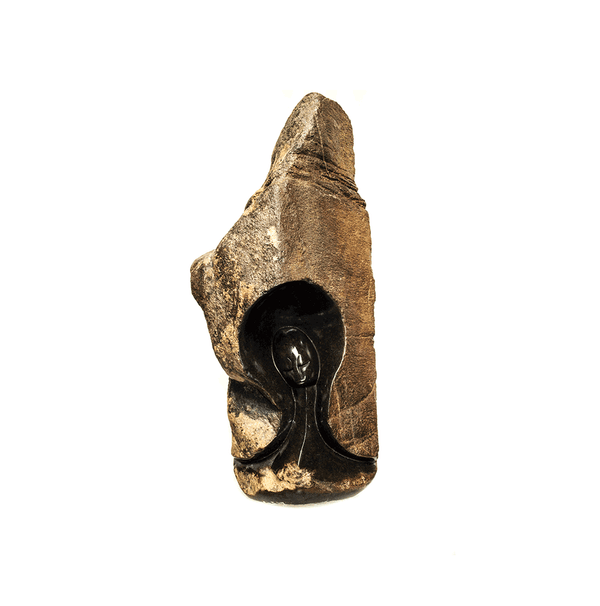
Zimbabwe, Southern Africa · Stone Sculpture
Hidden
$2,550
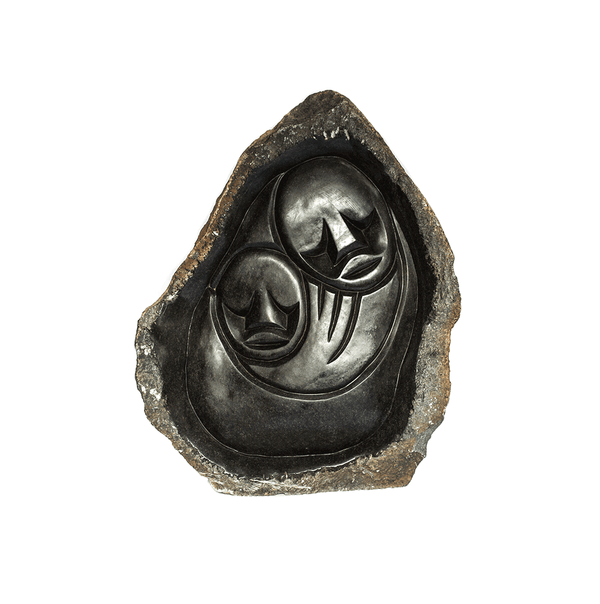
Zimbabwe, Southern Africa · Stone Sculpture
Lost in a Cave
$24,995
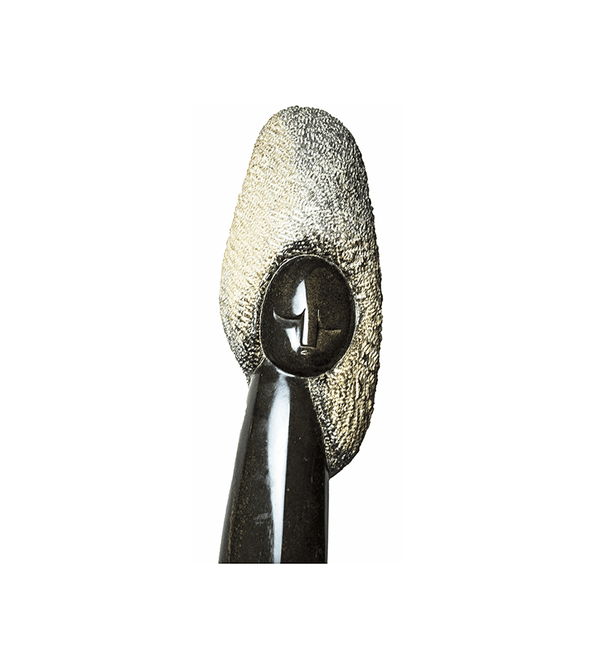
Zimbabwe, Southern Africa · Stone Sculpture
Lovely Girl
$2,995
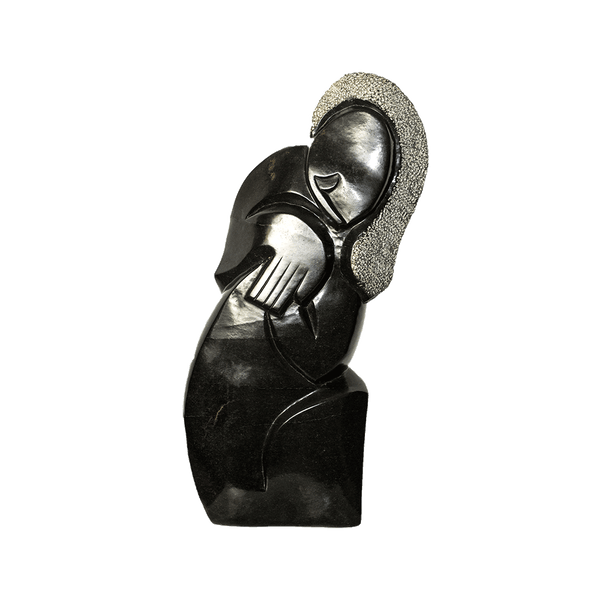
Zimbabwe, Southern Africa · Stone Sculpture
Prayer
$3,500