Zimbabwe, Southern Africa · Shona Tribe
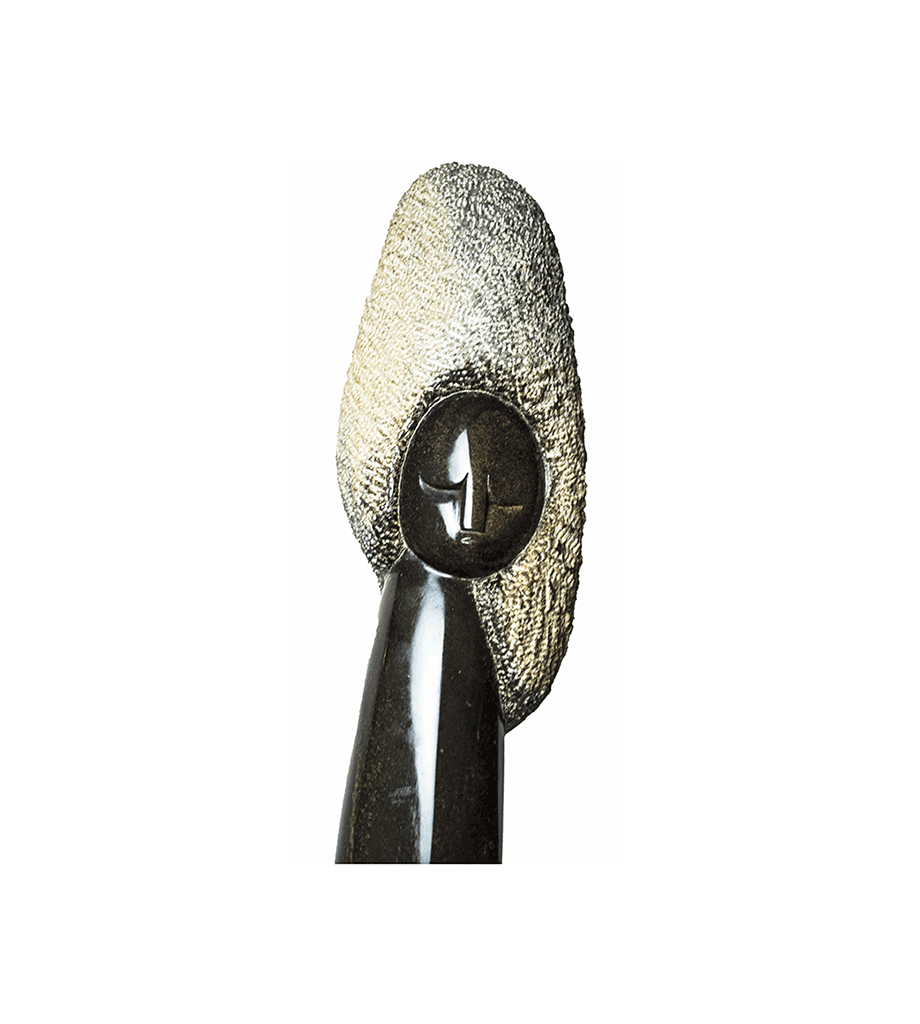
Lovely Girl
Piece #S038 · Year Made: 1997
$2,995
Shipping individually quoted
Origin
Zimbabwe, Southern Africa
Period
Late 20th Century
Medium
Hand Carved Spring Stone
Length
5"
Width
5"
Height
40"
Details & Materials
From across a room, "Lovely Girl" is one unbroken line: a slender body in polished black stone rising three feet four inches. Up close comes the surprise of the head, left raw and pale, with a single opening carved clean through where her face would be.
The Shona people have carved stone since Great Zimbabwe was built around 1200 AD, and when the tradition returned to the world's attention in the 1950s, these works drew comparisons to Picasso and Henry Moore. She belongs to that lineage, carved from the spring stone native to Zimbabwe, and she asks for nothing but a little space and good light.
- Condition: Excellent, not previously owned, undamaged
- Sourcing: Fair Trade
- Certificate of Authenticity: Available Upon Request
- Provenance Report: Available Upon Request
Shipping
Buy now and leave the shipping to us. At checkout you pay for the piece plus a shipping deposit. We then plan the packing for your piece and email you the remaining shipping balance. This applies to both domestic and international orders. Every shipment is tracked, and most deliveries need a signature.
- Domestic: 5-8 business days
- International: 10-14 business days
- White-glove delivery available on request
Care & Placement
Dust with a soft, dry cloth.
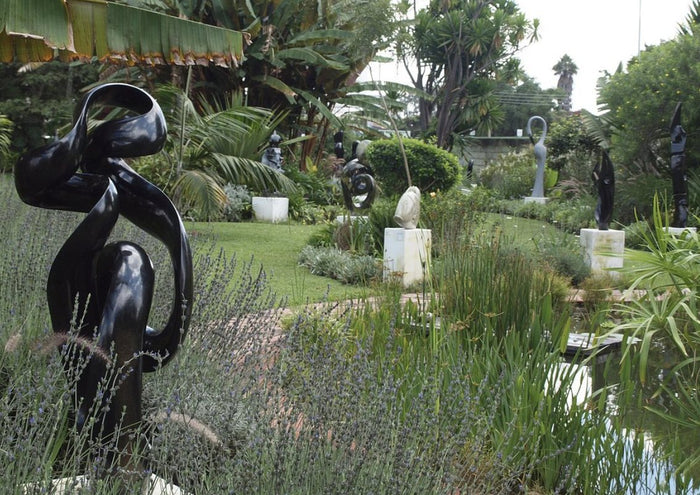
Can be placed indoors or outdoors; weather will not damage it. Place on a solid, level surface or pedestal
Origin
Zimbabwe
Southern Africa
"When I was first exposed to African art, I felt a deep connection to it. It is hard to explain. It resonates with me spiritually."
Michael, Founder
York's Shona Gallery was the first in New York City to bring African sculpture to American collectors. Every piece in our collection is acquired directly, ensuring authenticity and fair exchange with the artists and communities who create them.
About the Tribe
Shona Tribe
Stone Sculpture
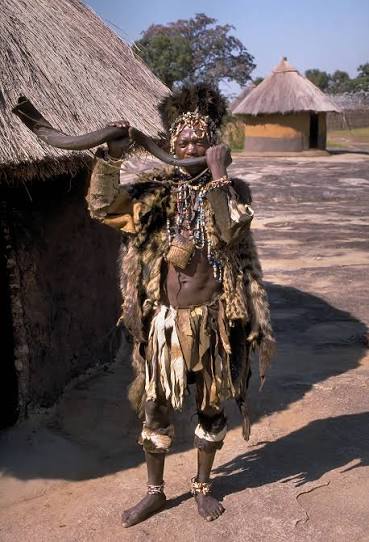
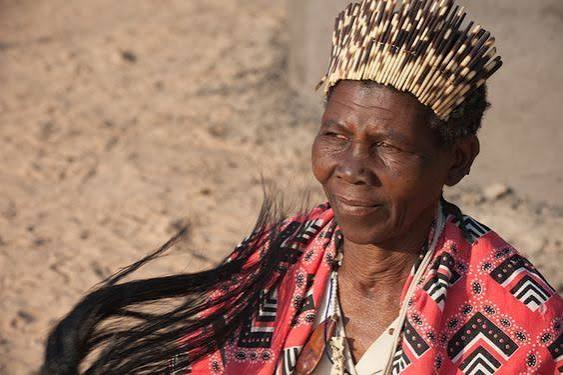
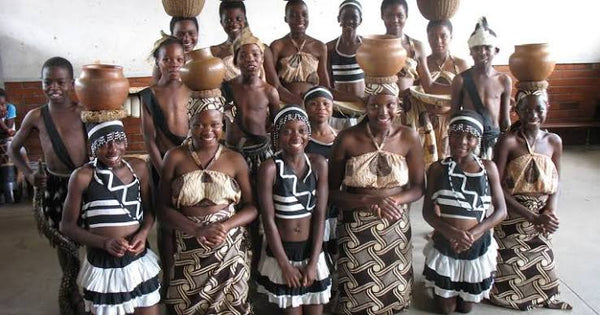
The Shona tribe inhabits Zimbabwe, Botswana and southern Mozambique in Southern Africa and bordering South Africa. They are also Zimbabwe's largest indigenous group. Their tribal language is Shona (Bantu) and their population is around 9 million. There are five main Shona language groups: Korekore, Zeseru, Manyika, Ndau, and Karanga. The Ndebele largely absorbed the last of these groups when they moved into western Zimbabwe in the 1830s.
The Shona people live in isolated settlements, usually consisting of one or more elder men and their extended families. Most decisions are made within the family, although organized political states were recognized as a source of centralized power. A principal chief who inherited his position and power in the same divine manner as a king headed them. He usually lived in a centralized location and was complemented by his court that advised him about most important decisions. The head chief often received substantial payment in the form of tributes from his constituency.
There is belief in a creator-god, Mwari, and a concern to propitiate ancestral and other spirits to ensure good health, rain, and success in enterprise. Elementary education, Christian missions, and partial urbanization have weakened traditional institutions and leadership and it said that traditional Shona culture is now in fast decline. However, magic and witchcraft continue as important means of social control and explanations for disasters.
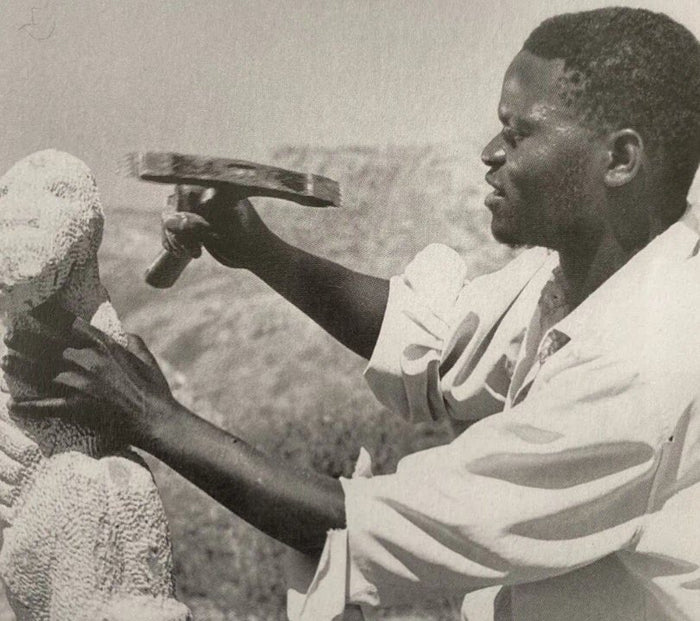
The Shona people have a rich artistic heritage and are hailed for their stone work. Stone carving has been part of the Zimbabwean culture since 1200 AD when Great Zimbabwe, an archeological masterpiece of their early ancestors, was built. The re-emergence of this stone carving tradition came about in the 1950s, when it gained worldwide recognition to the solid forms and beautiful surfaces of Shona sculpture that expresses an extraordinary emotional power.
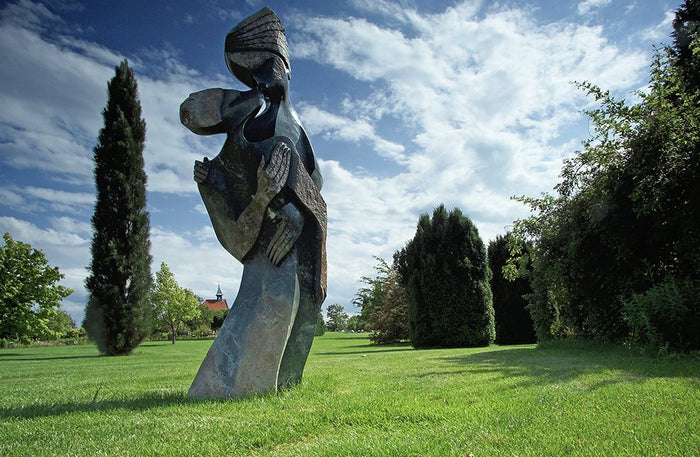
Drawing on ancient sculpting traditions, the Shona tribe has produced a modern art movement of dignified, exquisite works. Reminiscent of Picasso and Henry Moore, these extraordinary, intense works speak to all humanity.
In your home
Loading the room...
Surfaces
Pedestal
Styled with and outdoors
Rooms
The Tradition
Shona Stone Sculpture
Shona sculpture is stone sculpture carved by hand in Zimbabwe, named after the Shona, the largest group of people in the country. The finest pieces keep the weight and stillness of the rock, while the figure within seems to rise out of it.
- Where
- Zimbabwe
- Roots
- An ancient stone city, 11th to 15th centuries
- Began
- Late 1950s in Harare, the capital of Zimbabwe
- Stone
- Spring stone, serpentine, lepidolite
- Subjects
- Family, spirits, animals, transformation
- In collections
- British Museum, Museum of Modern Art
- Finish
- Polished by hand, often left partly raw
Why Shona?
- Suitable for indoor and outdoor environments, such as a garden or terrace
- Durable and will not dull or erode
- One of a kind pieces
- Marked with artist’s signatures
- Hand carved in Zimbabwe
The stones we carry
Spring stone
Dense and very hard, it polishes to a deep, glassy black and weathers to pale grey where it is left raw
Serpentine
The most varied of Zimbabwe's stones, from olive green and brown to pink, rust and almost black, often within a single block
Lepidolite
A softer stone in shades of lilac and violet that glints in the light, prized for its rare color
Related Pieces
Zimbabwe, Southern Africa · Stone Sculpture
Couple
$8,995
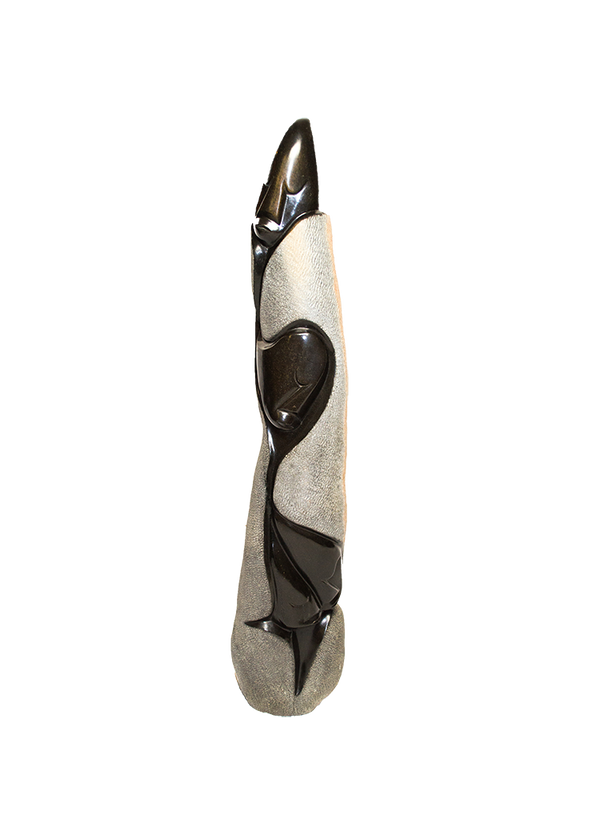
Zimbabwe, Southern Africa · Stone Sculpture
Family
$8,995
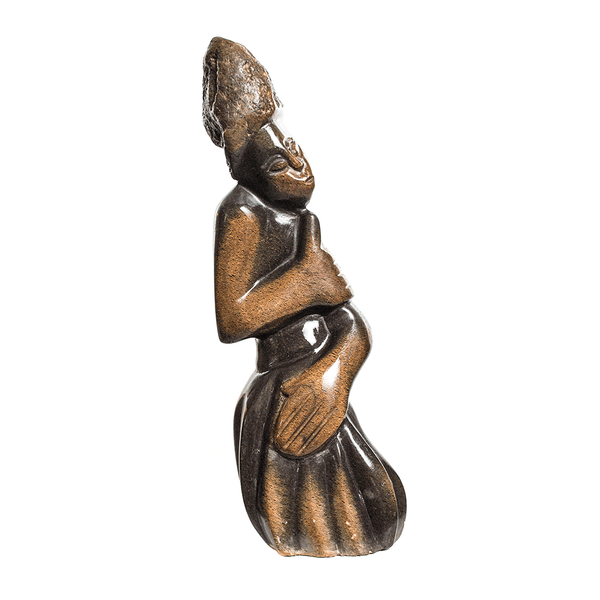
Zimbabwe, Southern Africa · Stone Sculpture
Fresh Woman
$2,350
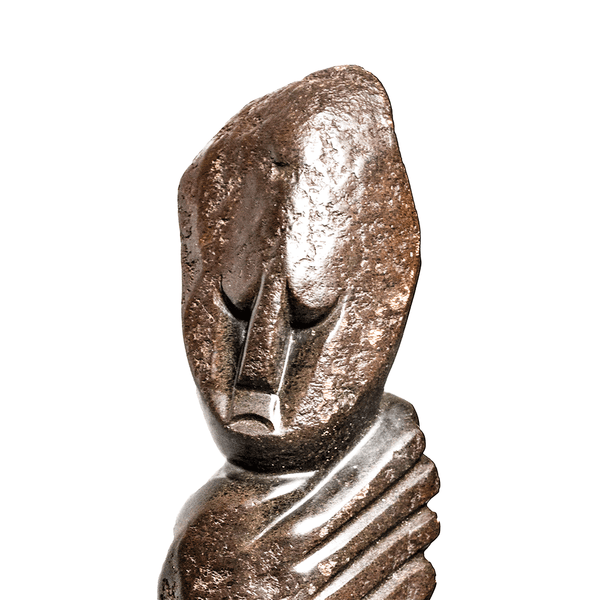
Zimbabwe, Southern Africa · Stone Sculpture
Gentle Lady
$2,500
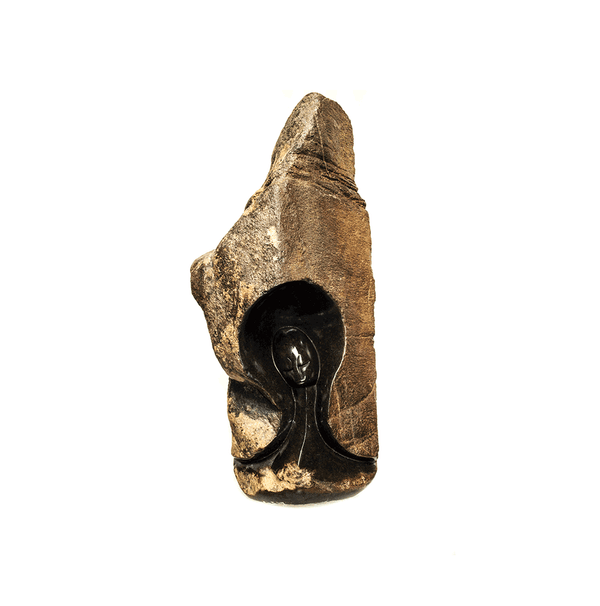
Zimbabwe, Southern Africa · Stone Sculpture
Hidden
$2,550
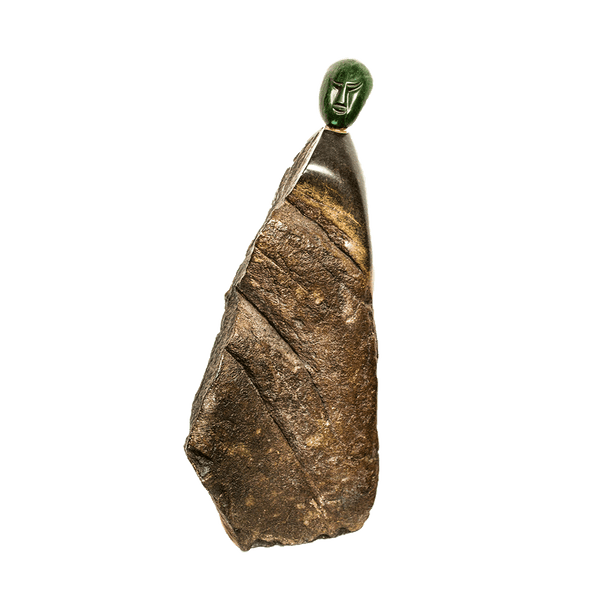
Zimbabwe, Southern Africa · Stone Sculpture
Lonely
$2,900
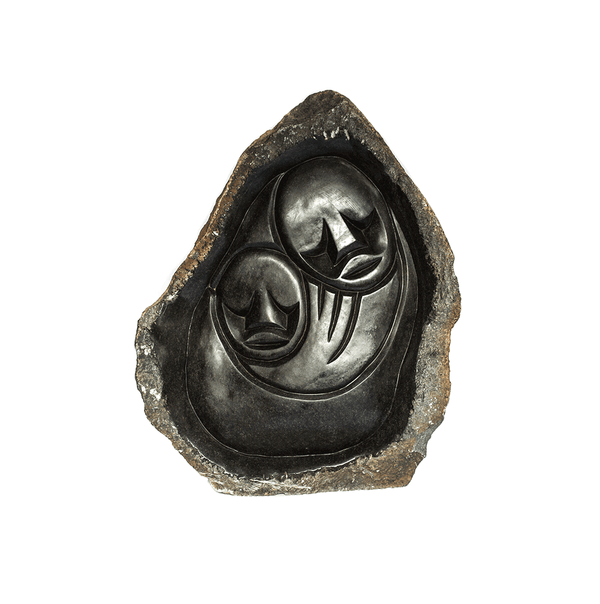
Zimbabwe, Southern Africa · Stone Sculpture
Lost in a Cave
$24,995
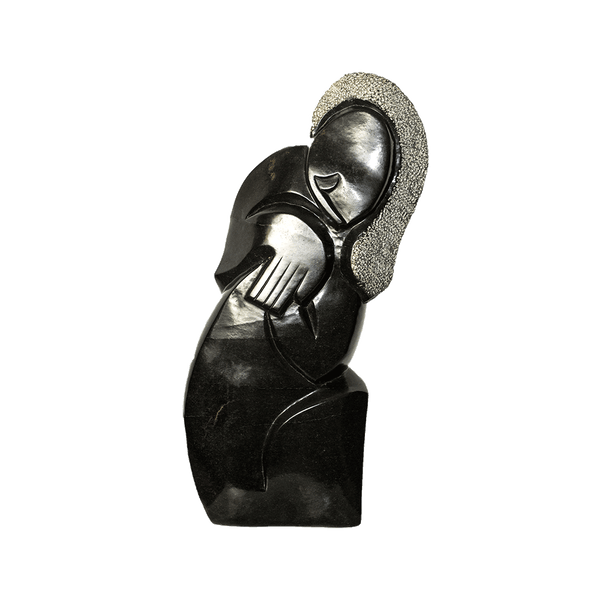
Zimbabwe, Southern Africa · Stone Sculpture
Prayer
$3,500