Zimbabwe, Southern Africa · Richard Mteki
Lost in a Cave
Piece #S015
$24,995
Shipping individually quoted
Origin
Zimbabwe, Southern Africa
Medium
Hand Carved Spring Stone
Length
16"
Width
5"
Height
21"
Details & Materials
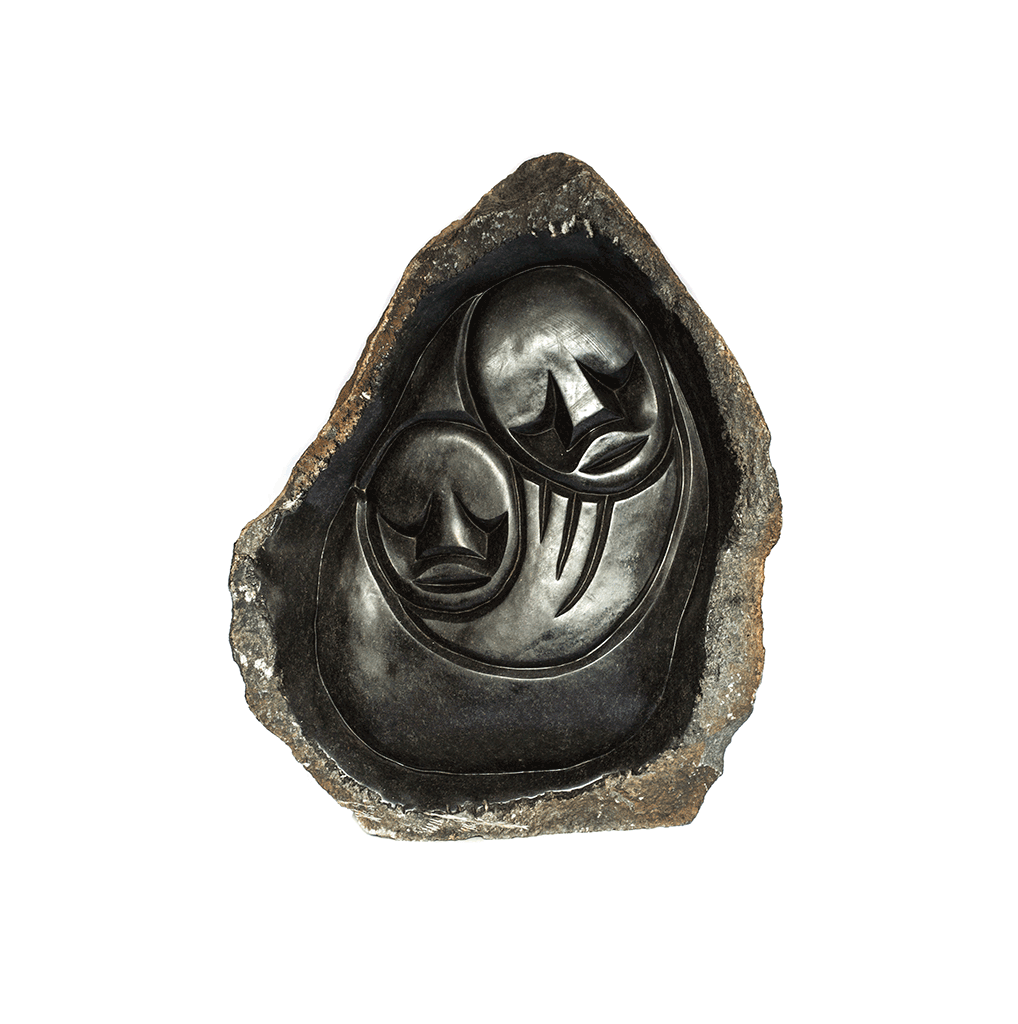
"Lost in a Cave" is a piece about shelter. The outer ring is left raw, like the mouth of a cave, and inside it two faces rest cheek to cheek in polished black stone, eyes closed, completely at peace.
Richard Mteki has carved for more than 25 years, and this is what that experience looks like: lines with strength and fluidity, a surface that asks to be touched, a calm that settles the room it sits in. A first generation sculptor, Mteki draws his subjects from Shona belief and famously works with the shape the stone gives him rather than imposing his will upon it.
The piece measures 21 inches tall and 16 inches wide, and its presence is far larger than either number.
- Condition: Excellent, not previously owned, undamaged
- Sourcing: Fair Trade
- Certificate of Authenticity: Available Upon Request
- Provenance Report: Available Upon Request
Shipping
Buy now and leave the shipping to us. At checkout you pay for the piece plus a shipping deposit. We then plan the packing for your piece and email you the remaining shipping balance. This applies to both domestic and international orders. Every shipment is tracked, and most deliveries need a signature.
- Domestic: 5-8 business days
- International: 10-14 business days
- White-glove delivery available on request
Care & Placement
Dust with a soft, dry cloth.
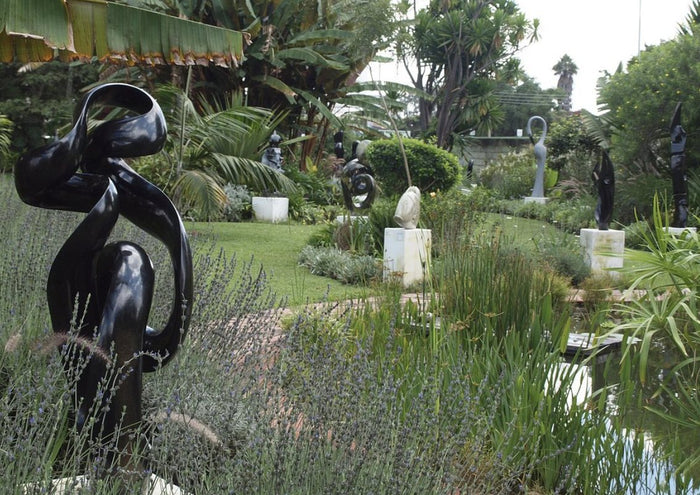
Can be placed indoors or outdoors; weather will not damage it. Place on a solid, level surface or pedestal
Origin
Zimbabwe
Southern Africa
"When I was first exposed to African art, I felt a deep connection to it. It is hard to explain. It resonates with me spiritually."
Michael, Founder
York's Shona Gallery was the first in New York City to bring African sculpture to American collectors. Every piece in our collection is acquired directly, ensuring authenticity and fair exchange with the artists and communities who create them.
About the Artist
Richard Mteki
Stone Sculpture
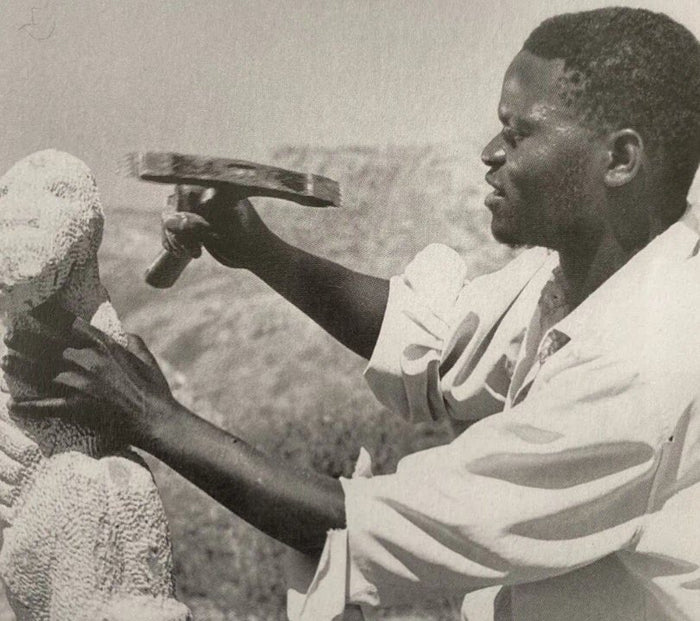
Richard was born in Harare in 1947, the brother of renowned first generation sculptor Boira Mteki, it was actually through his elder brother that Richard came to sculpt. Initially he enrolled at the Nyarutsetso Art Centre which had been established by the late Cannon Paterson and it was here he began to sculpt full time. Inspired by the work which was being produced at the Workshop School of the National Gallery, Mteki left the Nyarutsetso Art Centre and joined Frank McEwen and the group of sculptors at the National Gallery. When McEwen resigned in 1973, Mteki left the Workshop School and has worked independently since then.
A sculptor of some standing, Mteki's work has been acclaimed both locally and internationally. In 1986 Mteki was commissioned by the Zimbabwean Government to create a piece for the National Sports Stadium in Harare, a Zimbabwe bird. This is a massive piece which lightly rests on its huge base as if preparing to fly, all beak and powerful talons this is a bird of prey ready to claw its way through the sky. That was not the only time his work was chosen by the Government, in 1982 one of his pieces was selected as the gift to be presented to the Nigerian head of state by President Mugabe on his official visit to that country. In 1984 the Government once again selected Mteki's work, on this occasion the piece was presented to the late Rajiv Gandhi on the opening of the Non Aligned Movement summit in Harare.
Mteki's sculptures are generally peaceful, they do not disturb but rather leave the viewer feeling calm and content. His work is filled with a gentle spiritual presence, usually small and compact their message is much larger than their scale. Having been sculpting for over 25 years Mteki is a master of stone carving, the strength and fluidity of his lines constantly bear witness to his experience. Typically classed Mteki is a first generation sculptor drawing on the beliefs of the Shona man for the majority of his subject matter, although he is also inspired by nature occasionally depicting animals in his own distinctive style. The shape of the raw stone is important to Mteki, he chooses to work with the stone rather than impose his will upon it. A dedicated conservationist and deeply concerned about the plight of the rhino he participated in the Rhinowatch exhibition in London in 1994 and donated the money from the sale of one of his pieces to a conservation fund. He possesses a strong social conscience and is eager to instruct younger aspiring sculptors in the methods of stone sculpting, just as he was shown as a young man. Mteki feels this is necessary as with out proper instruction there is no future, he always encourages the youngsters to strive for their own style and not simply to imitate others.
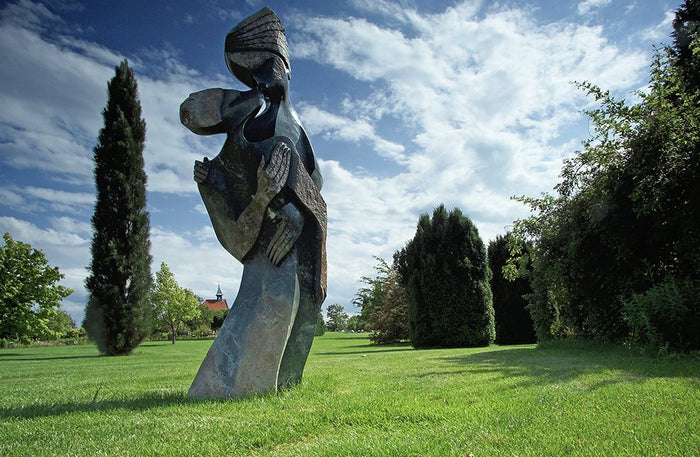
Mteki was also invited to join the artists residency program at Chapungu Sculpture Park as a tribute to the years of support he has give to the arts of Zimbabwe. Already he has produced some important work, most notably The Stork Family (1997).
In your home
Loading the room...
Surfaces
Pedestal
Styled with and outdoors
Rooms
The Tradition
Shona Stone Sculpture
Shona sculpture is stone sculpture carved by hand in Zimbabwe, named after the Shona, the largest group of people in the country. The finest pieces keep the weight and stillness of the rock, while the figure within seems to rise out of it.
- Where
- Zimbabwe
- Roots
- An ancient stone city, 11th to 15th centuries
- Began
- Late 1950s in Harare, the capital of Zimbabwe
- Stone
- Spring stone, serpentine, lepidolite
- Subjects
- Family, spirits, animals, transformation
- In collections
- British Museum, Museum of Modern Art
- Finish
- Polished by hand, often left partly raw
Why Shona?
- Suitable for indoor and outdoor environments, such as a garden or terrace
- Durable and will not dull or erode
- One of a kind pieces
- Marked with artist’s signatures
- Hand carved in Zimbabwe
The stones we carry
Spring stone
Dense and very hard, it polishes to a deep, glassy black and weathers to pale grey where it is left raw
Serpentine
The most varied of Zimbabwe's stones, from olive green and brown to pink, rust and almost black, often within a single block
Lepidolite
A softer stone in shades of lilac and violet that glints in the light, prized for its rare color
Related Pieces
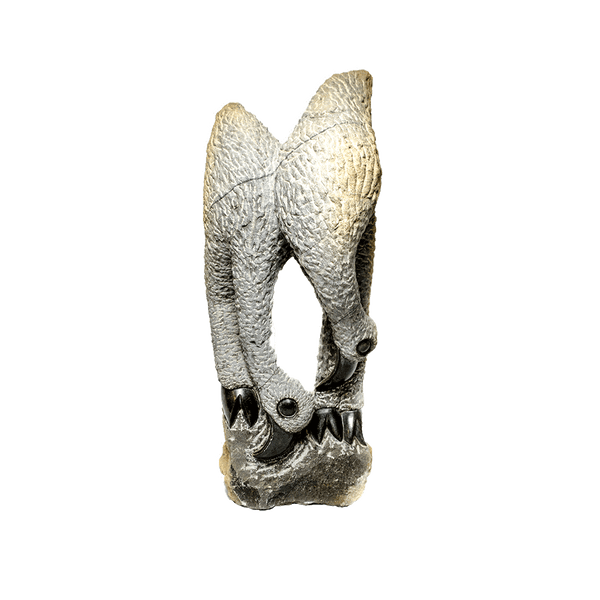
Zimbabwe, Southern Africa · Stone Sculpture
Couple
$8,995
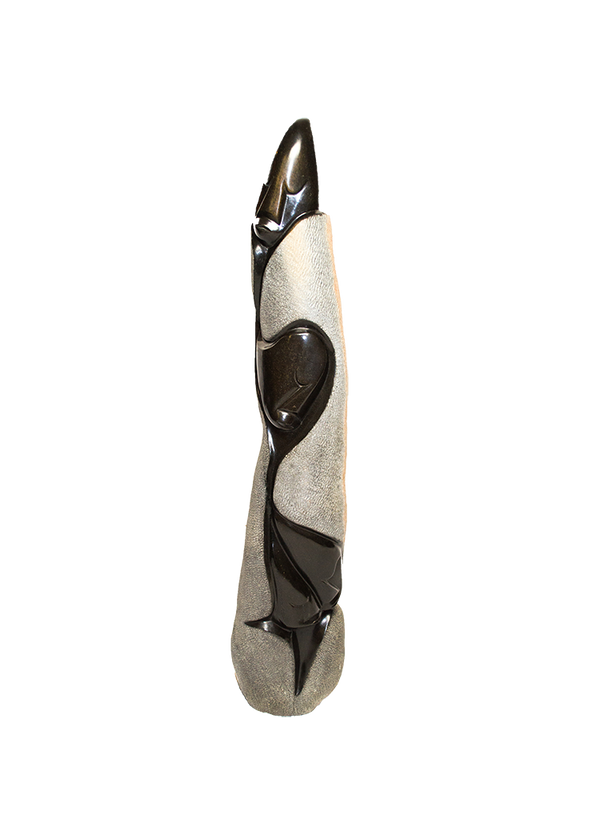
Zimbabwe, Southern Africa · Stone Sculpture
Family
$8,995
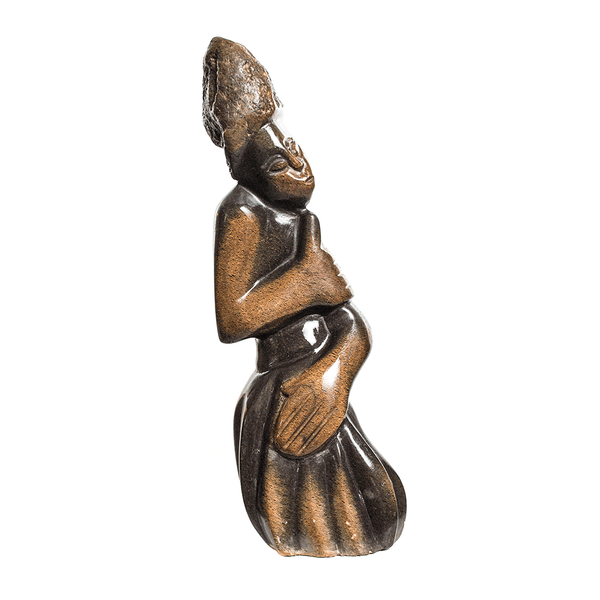
Zimbabwe, Southern Africa · Stone Sculpture
Fresh Woman
$2,350
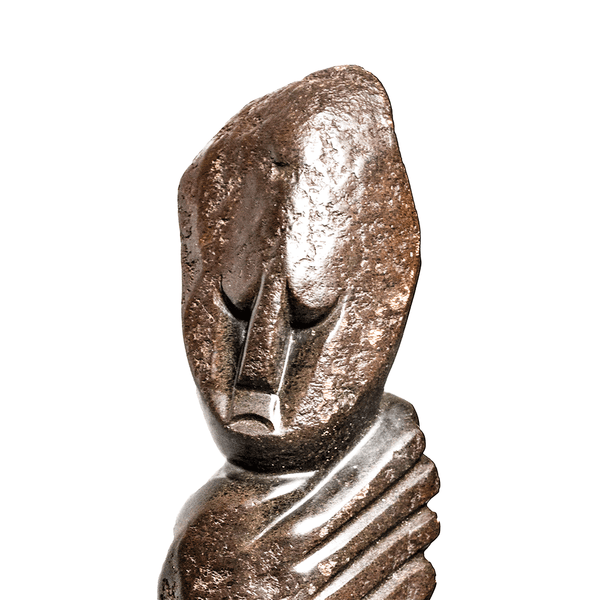
Zimbabwe, Southern Africa · Stone Sculpture
Gentle Lady
$2,500
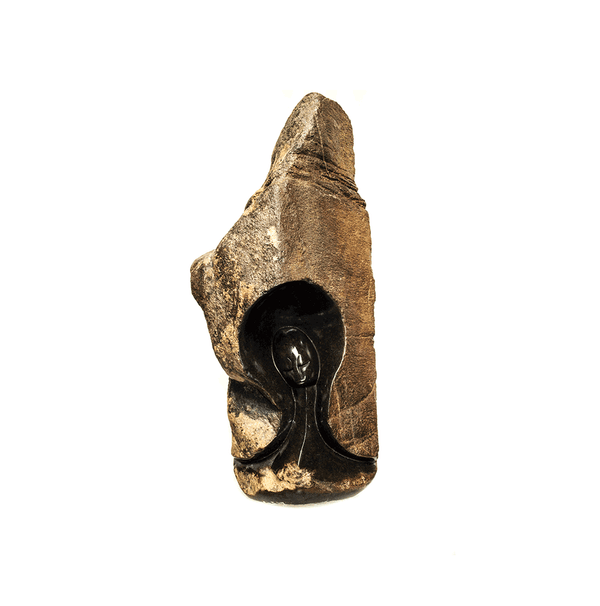
Zimbabwe, Southern Africa · Stone Sculpture
Hidden
$2,550
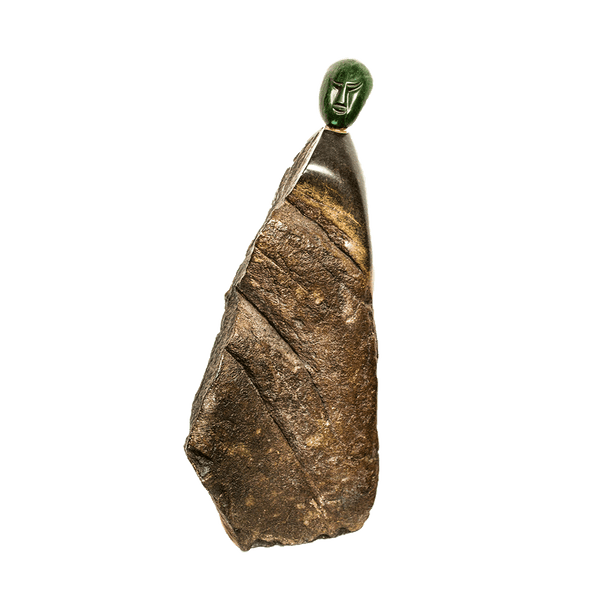
Zimbabwe, Southern Africa · Stone Sculpture
Lonely
$2,900
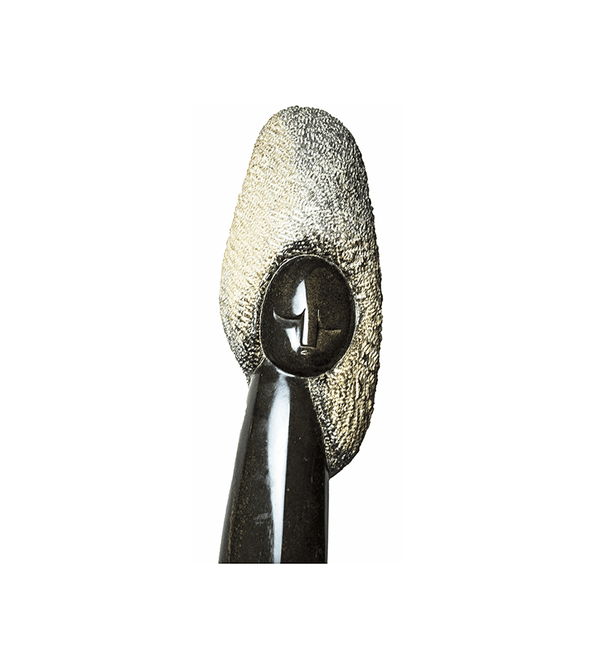
Zimbabwe, Southern Africa · Stone Sculpture
Lovely Girl
$2,995
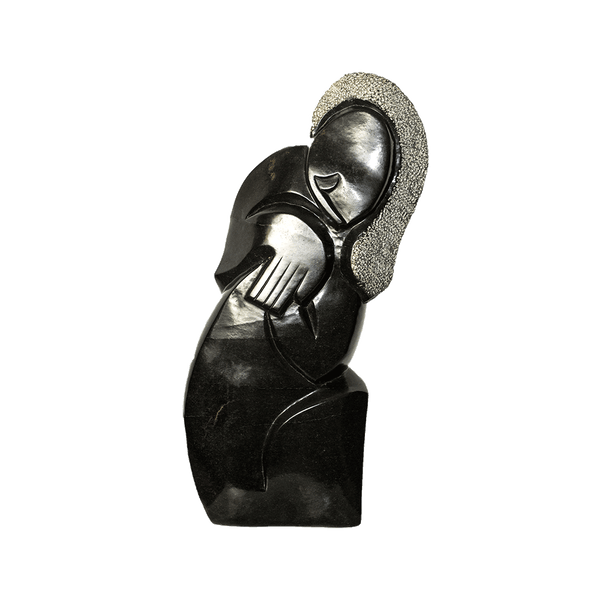
Zimbabwe, Southern Africa · Stone Sculpture
Prayer
$3,500